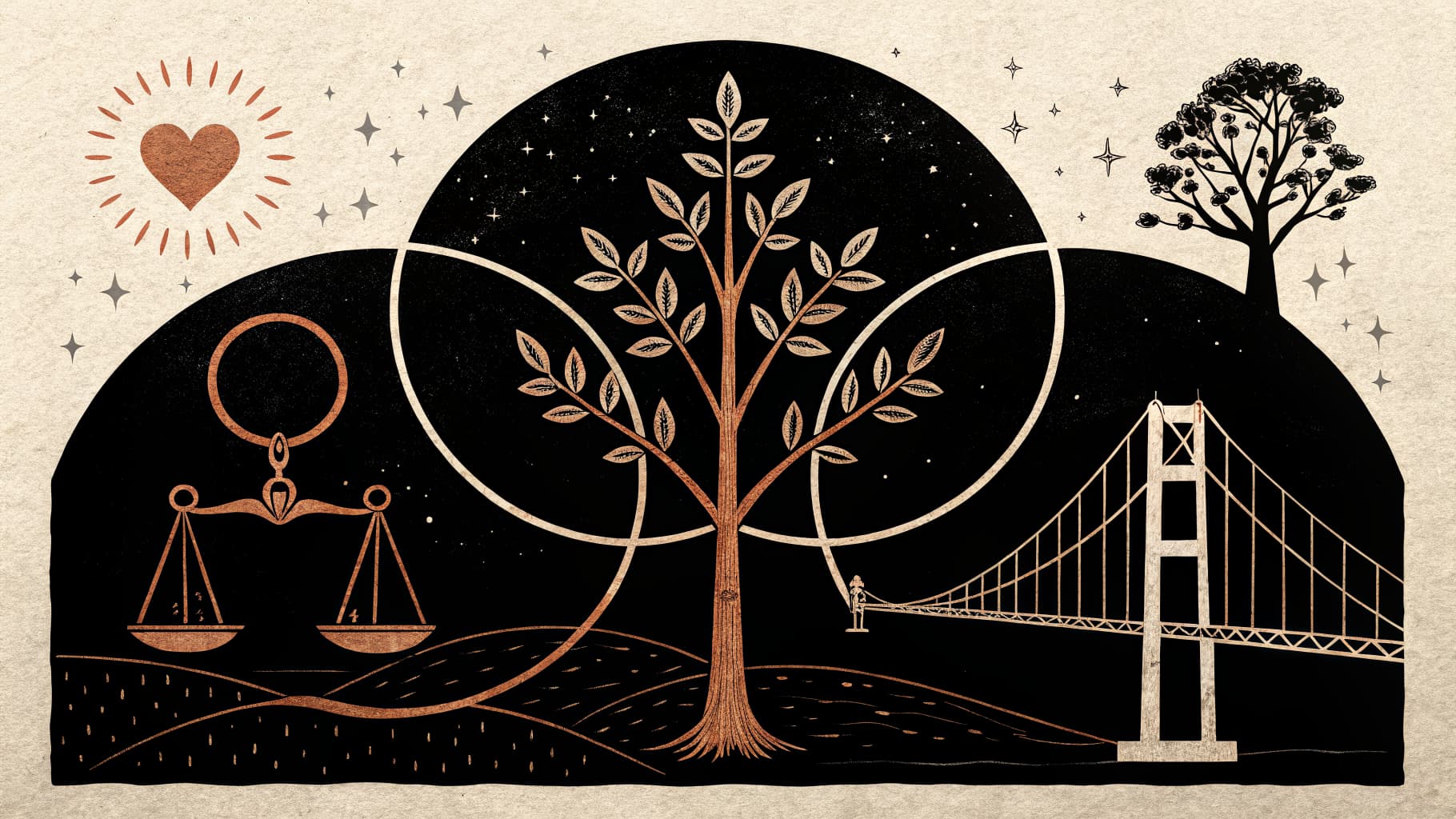
Making Voices Heard in the Classroom
Introducing the concept of representation and how individual opinions contribute to collective decisions.
TL;DR:Active learning works for this topic because young children learn best by doing. Expressing opinions in safe, structured activities helps them see the power of their voices in real class decisions. These lessons build confidence while teaching the practical skills of discussion and consensus.
About This Topic
Making Voices Heard in the Classroom guides Primary 1 students to understand representation and the value of individual opinions in group decisions. Children practice expressing views clearly, listening actively, and using simple voting to reach consensus. This connects to everyday class scenarios, like selecting story time books or playground rules, and helps build a supportive community where every voice matters.
Within MOE CCE's Belonging to a Community unit, the topic meets Respect and Communication standards through skills in polite sharing and turn-taking. It advances Social Responsibility by showing how minority views influence outcomes and why full participation strengthens decisions. Students analyze strategies for disagreements and evaluate voting impacts, preparing them for collaborative learning.
Active learning excels with this topic because hands-on simulations let students feel inclusion or exclusion directly. Role-plays and mock votes turn concepts into lived experiences, encourage shy children to contribute, and reveal decision dynamics in safe settings. These approaches build confidence and empathy that lectures alone cannot match.
Key Questions
- Analyze effective strategies for group decision-making amidst disagreement.
- Evaluate the impact on minority voices during a voting process.
- Justify the importance of every individual's participation in decision-making.
Learning Objectives
- Identify situations where a group needs to make a decision.
- Explain why each person's idea is important in a group decision.
- Demonstrate how to share an opinion respectfully during a group discussion.
- Compare the outcomes of a group decision made with and without considering all voices.
Before You Start
Why: Students need to practice waiting for their turn and sharing space or materials before they can effectively share their opinions in a group.
Why: Understanding emotions helps students recognize how their own and others' feelings are affected by group decisions.
Key Vocabulary
| Opinion | What someone thinks or feels about something. It is a personal idea or belief. |
| Decision | Choosing what to do after thinking about different possibilities. It is the final answer or choice. |
| Voice | The right or ability to express one's thoughts, feelings, or opinions. It means being heard. |
| Majority | More than half of the people in a group. Their choice is often the one that is chosen. |
| Minority | Less than half of the people in a group. Their ideas are also important to consider. |
Watch Out for These Misconceptions
Common MisconceptionOnly loud voices get heard in decisions.
What to Teach Instead
Students often believe volume determines influence. Active role-plays let them experience turn-taking tools like talking sticks, showing quiet voices matter equally. Group reflections help them value listening over shouting.
Common MisconceptionMinority opinions do not affect group choices.
What to Teach Instead
Children may think majority always wins without change. Mock voting activities demonstrate how discussing minority views can shift outcomes. Peer talks reveal the strength in inclusive decisions.
Common MisconceptionTeachers decide everything, so my voice is unnecessary.
What to Teach Instead
P1 students assume adult authority overrides input. Simulated class votes with teacher as facilitator prove child ideas shape results. This builds ownership through direct participation.
Active Learning Ideas
See all activities→Morning Circle
Circle Talk: Opinion Sharing
Form a whole-class circle with a talking stick; each child shares one idea for class snack time, passes the stick, and listens without interrupting. After all shares, vote by show of hands on top choices. Discuss how everyone contributed.
Morning Circle
Role-Play Pairs: Voice Scenarios
Pair students; one acts as a quiet voice in a group decision, the other as a loud one. Switch roles and practice polite ways to include the quiet voice. Debrief on what worked best.
Morning Circle
Small Group Vote: Playground Rules
In small groups, propose and vote on two playground rules using picture cards. Tally votes and share minority reasons with class. Reflect on fair participation.
Real-World Connections
- In a family meeting, children might share their opinions on where to go for a weekend outing. Parents listen to everyone's ideas before deciding on a place that makes most people happy.
- When a class needs to choose a theme for a school event, students can vote on their favorite ideas. Even if an idea does not get the most votes, the teacher might still find a way to include some of its elements.
Assessment Ideas
After a class vote on a simple choice, like which game to play, ask students: 'What happened to the ideas that did not get the most votes? How did it feel when your idea was chosen? How did it feel when it wasn't?'
Give students a scenario: 'Your class is choosing a new class pet. You want a hamster, but most friends want a fish. Draw a picture of you sharing your idea about the hamster. Write one word to describe how you feel.'
Provide students with two scenarios: 1. A group picks a game without asking everyone. 2. A group asks everyone and then picks a game. Ask students to circle the picture that shows making voices heard and explain why in one sentence.
Frequently Asked Questions
How to teach representation in Primary 1 CCE?
What activities build skills for group decision-making?
How does active learning help teach making voices heard?
Why emphasize minority voices in classroom decisions?
More in Belonging to a Community
Understanding the Purpose of Rules
An investigation into why communities establish laws and the consequences of living without shared agreements.
8 methodologies
Exploring Rights and Responsibilities
Understanding the reciprocal nature of being a member of a group and the duties students owe to one another.
8 methodologies
Family as the First Community
Students explore their roles and responsibilities within their families and how families contribute to society.
8 methodologies
School as a Learning Community
Understanding the school environment as a community with shared goals, rules, and diverse members.
8 methodologies
Resolving Conflicts Peacefully
Learning basic strategies for resolving disagreements with peers and family members constructively.
8 methodologies
The Importance of Teamwork
Exploring how working together in groups helps achieve common goals in school and beyond.
8 methodologies