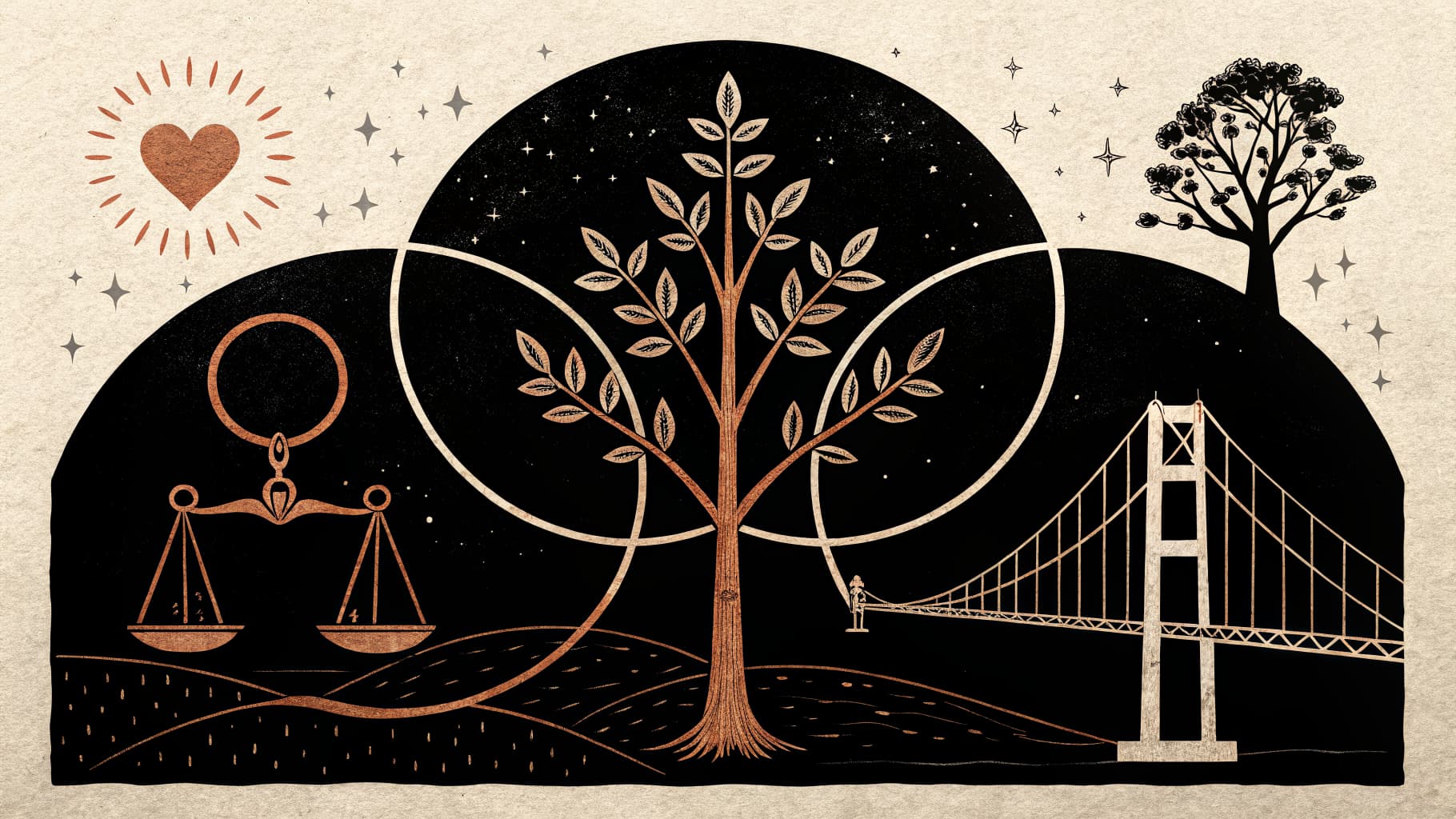
Understanding Ownership and Sharing
The ethics of private property versus public resources.
TL;DR:Active learning works for this topic because young children grasp abstract ideas like ownership and sharing best through hands-on, visual, and social experiences. Concrete sorting, role-play, and station activities help students move from vague notions to clear distinctions between personal and shared items.
About This Topic
Understanding Ownership and Sharing guides Primary 1 students to distinguish personal belongings from communal resources. They examine rights over items like their pencil cases or storybooks, where they decide usage and care. Students also learn responsibilities for shared spaces, such as classroom tables or school water coolers, justifying sharing to support peers and explaining careful treatment of collective property.
This topic supports MOE standards on Respect and Integrity, and Social Responsibility. It builds ethical decision-making, empathy, and cooperation skills vital for Singapore's community living. Through real-life examples, students connect personal choices to group harmony, laying groundwork for Rights and the Law unit.
Active learning excels with this topic via hands-on sorting, role-plays, and group management tasks. These methods turn abstract ethics into concrete experiences, encouraging students to practice fairness and voice opinions safely. Such approaches deepen retention, spark discussions, and model positive social behaviors.
Key Questions
- Analyze the extent of individual rights over personal belongings.
- Justify when sharing with the community becomes a requirement.
- Explain how to treat resources that are collectively owned.
Learning Objectives
- Classify objects as either personal belongings or communal resources.
- Explain the reasons for sharing specific communal resources with classmates.
- Demonstrate respectful behavior towards collectively owned items.
- Analyze the difference between individual rights over personal items and responsibilities for shared items.
Before You Start
Why: Students need to be able to recognize and name common objects before they can classify them by ownership.
Why: Understanding simple concepts like 'mine' and 'yours' is foundational for discussing ownership and sharing.
Key Vocabulary
| Personal Belonging | An item that belongs to one person only, and that person decides how it is used or cared for. |
| Communal Resource | An item or space that is shared by many people, such as in a classroom or school. |
| Sharing | Allowing others to use or enjoy something that is yours or that belongs to a group. |
| Responsibility | A duty to take care of something or someone, or to do something. |
Watch Out for These Misconceptions
Common MisconceptionEverything in school belongs to me if I want it.
What to Teach Instead
Young students may view school items as personal property. Sorting activities clarify boundaries through visual grouping and peer talks, while role-plays reveal impacts on others, fostering respect via direct experience.
Common MisconceptionSharing means giving away my things forever.
What to Teach Instead
Children often fear permanent loss in sharing. Role-play borrowing scenarios with timers shows temporary use, and circle discussions highlight mutual gains, helping students reframe sharing positively through practice.
Common MisconceptionShared resources do not need my care since they belong to everyone.
What to Teach Instead
Students might neglect communal items due to diffused responsibility. Group clean-up stations demonstrate collective outcomes, with reflections linking individual actions to class benefits, building accountability actively.
Active Learning Ideas
See all activities→Practical Life Work
Sorting Game: Mine or Ours?
Display picture cards of personal items like toys and shared resources like playground slides. In small groups, students sort cards into two piles and explain choices. Create a class anchor chart from group findings.
Practical Life Work
Role-Play: Sharing Scenarios
Prepare simple cards with dilemmas, such as two children wanting the same swing. Pairs act out the scene, switch roles, then share fair solutions with the class. Teacher facilitates debrief on rights and sharing.
Practical Life Work
Circle Time: Toy Sharing Practice
Students sit in a circle with a soft toy. Set a timer for turns to hold and describe it. Discuss feelings during waits and benefits of rules for everyone.
Real-World Connections
- At a public library, children learn to share books and toys, understanding that these items belong to everyone and must be returned in good condition for others to enjoy.
- In a playground, students share swings and slides, learning to take turns and care for the equipment so all friends can play safely.
- Families often share a television or a common dining table, requiring members to negotiate usage and show consideration for each other's needs.
Assessment Ideas
Show students pictures of various items (e.g., a pencil case, a classroom book, a toy car, a shared art supply). Ask them to point to or say whether each item is a 'personal belonging' or a 'communal resource' and briefly explain why.
Pose a scenario: 'Imagine your friend wants to borrow your favorite crayon, but you are using it. What can you do?' Guide students to discuss options like taking turns, offering a different crayon, or explaining when you will finish using it.
Give each student a small card. Ask them to draw one item they use at school that is shared by everyone. Then, ask them to write one sentence about how they should take care of that item.
Frequently Asked Questions
How to introduce ownership and sharing to Primary 1 CCE students?
What are common misconceptions about ownership in Primary 1?
How can active learning enhance teaching ownership and sharing?
How does this topic connect to MOE CCE standards?
More in Rights and the Law
Laws for Personal Safety
Understanding how laws exist to keep citizens safe and the role of the police.
8 methodologies
Fair Conflict Resolution
Exploring the concept of a neutral third party in settling disputes.
8 methodologies
The Concept of Justice
Introducing the basic idea of justice and what it means for everyone to be treated fairly under the law.
8 methodologies
Protecting Personal Information
Learning about the importance of keeping personal information safe and private, especially online.
8 methodologies
Consequences of Breaking Rules
Understanding that actions have consequences and the importance of accountability.
8 methodologies
Reporting Unsafe Situations
Empowering students to identify and report unsafe situations or behaviors to trusted adults.
8 methodologies