Understanding Media Convergence
Exploring the merging of traditional media with digital technologies and its impact on content creation and consumption. Students analyze how convergence reshapes media industries.
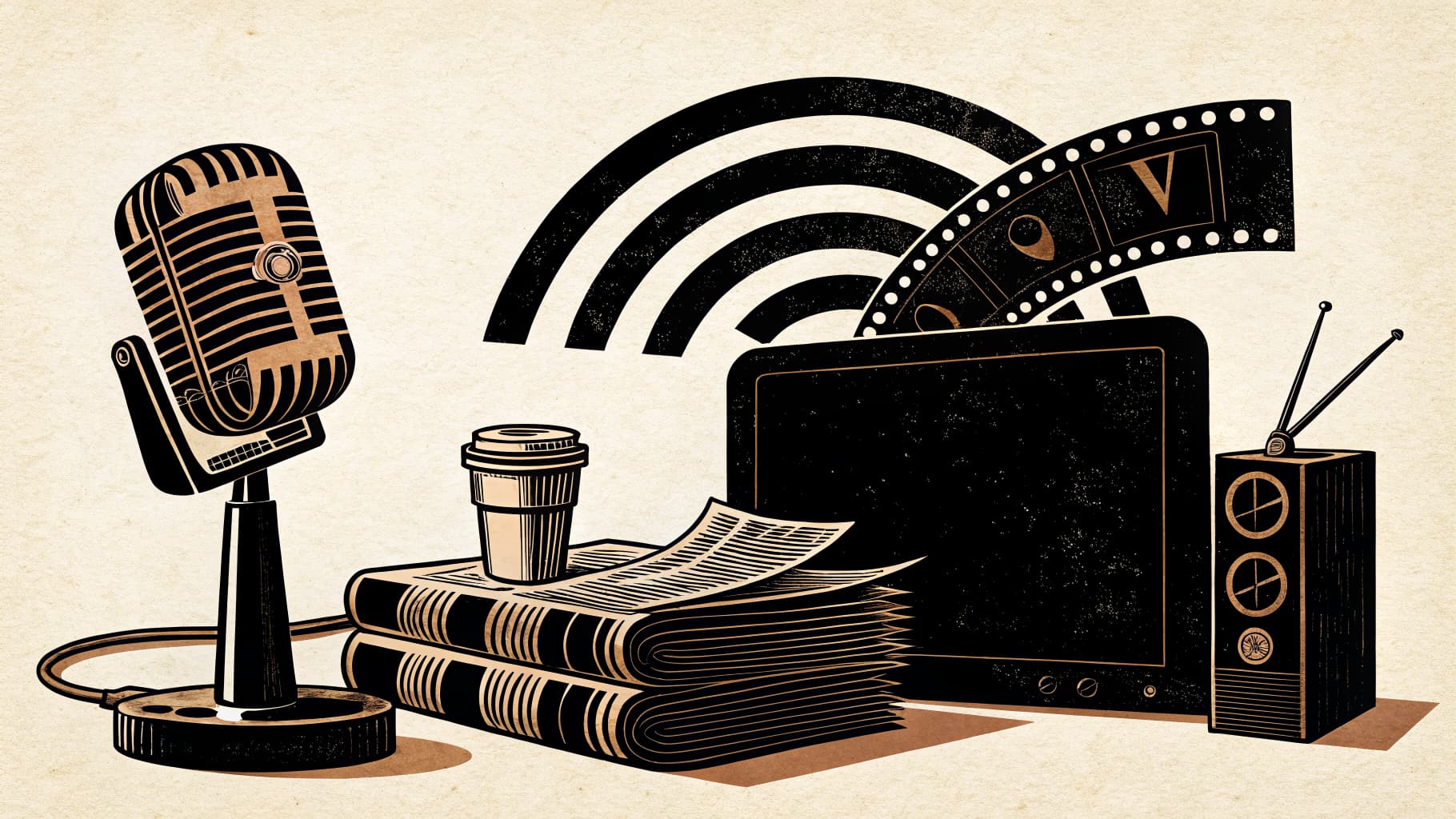
TL;DR:Media Convergence is the process where traditional media boundaries blur as content moves across different platforms. In this topic, students explore how a single story can now be told through a newspaper article, a television report, a social media thread, and a podcast simultaneously. This 'merging' is driven by digital technology and has fundamentally changed how media industries operate. For instance, a traditional Indian news house is now a multimedia hub, requiring journalists to be skilled in writing, filming, and social media management.
About This Topic
Media Convergence is the process where traditional media boundaries blur as content moves across different platforms. In this topic, students explore how a single story can now be told through a newspaper article, a television report, a social media thread, and a podcast simultaneously. This 'merging' is driven by digital technology and has fundamentally changed how media industries operate. For instance, a traditional Indian news house is now a multimedia hub, requiring journalists to be skilled in writing, filming, and social media management.
Students also examine the impact of convergence on the consumer, who now has more control over when and where they access content. This topic is essential for understanding the modern media ecosystem. Students grasp this concept faster through structured discussion and peer explanation as they map out the 'journey' of a single piece of content across multiple devices.
Key Questions
- What is media convergence?
- How does convergence alter the media landscape?
- What are the benefits and drawbacks for consumers?
Watch Out for These Misconceptions
Common MisconceptionConvergence just means putting the same content on different websites.
What to Teach Instead
True convergence involves adapting content to suit the unique language and audience of each platform. Active 'Content Adaptation' exercises help students see that a tweet requires a different approach than a long-form article.
Common MisconceptionConvergence makes traditional media obsolete.
What to Teach Instead
Convergence actually allows traditional media to extend their reach and survive in the digital age. Peer discussions about how they use both apps and TV can clarify this symbiotic relationship.
Active Learning Ideas
See all activities→Inquiry Circle
Mapping a Media House
Groups choose a major Indian media conglomerate (e.g., Times Group or Network18). They investigate and map out all the different platforms (print, TV, digital, radio) the group owns and how they share content.
Think-Pair-Share
The Multi-Platform Story
Students think of a recent viral event. They discuss with a partner how they first heard about it and through which other platforms they followed it, sharing how convergence affected their understanding of the news.
Stations Rotation
Content Adaptation
Students rotate through stations to adapt a single news story for different platforms: a 280-character tweet, a 1-minute Instagram Reel script, and a 100-word print summary.
Frequently Asked Questions
What are the three types of media convergence?
How has convergence changed the job of a journalist in India?
How can active learning help students understand media convergence?
What are the benefits of media convergence for the Indian consumer?
More in Convergence and the New Media
The Internet and Digital Media
Analyzing the architecture of the internet and the rise of digital media platforms as primary sources of information and entertainment. The topic addresses the digital divide in India.
8 methodologies
Social Media and Citizen Journalism
Investigating the power of social media networks and the emergence of citizen journalism in shaping public discourse. Students debate the ethical implications of user-generated content.
8 methodologies