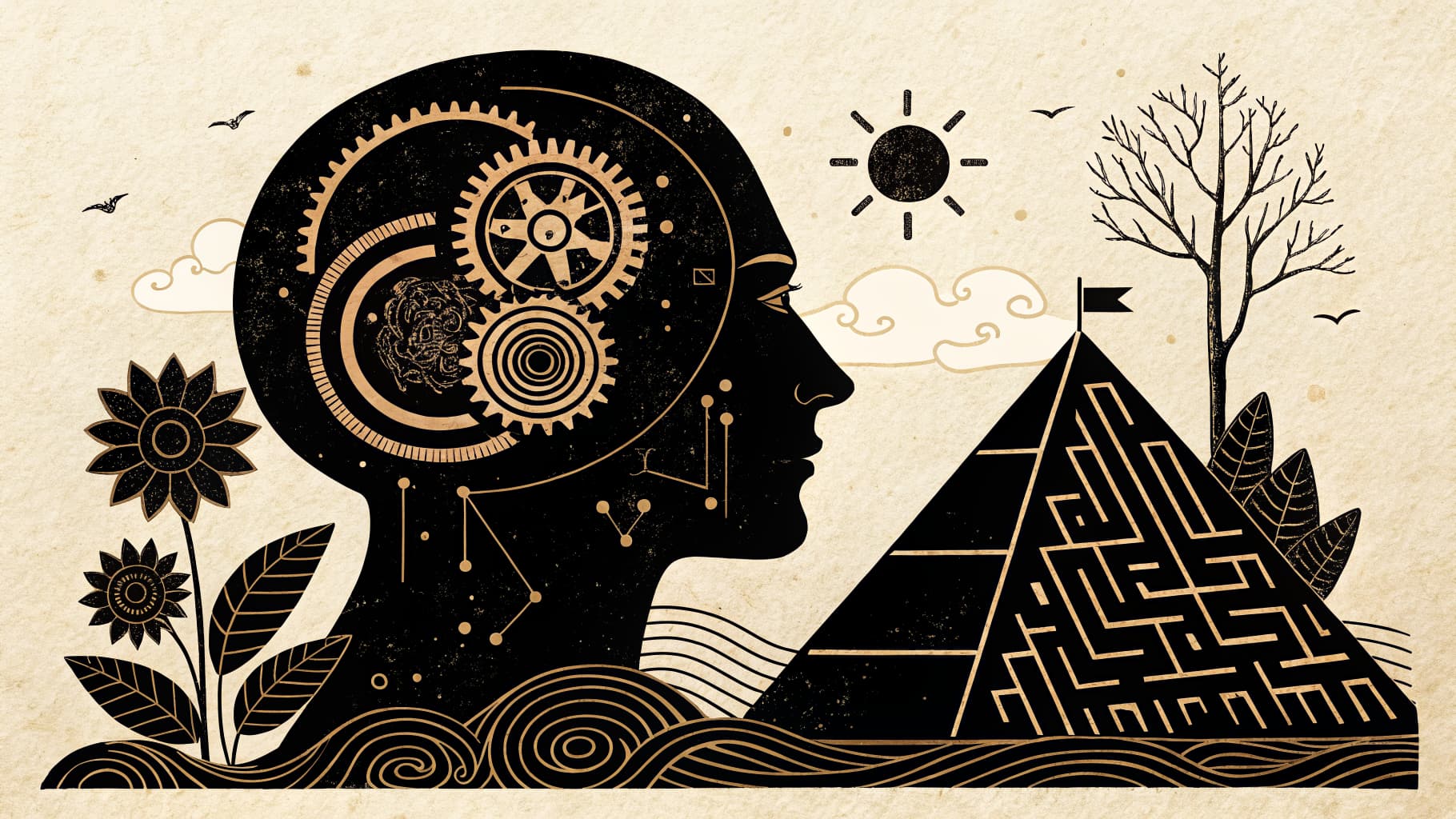
The Nature-Nurture Debate
Students investigate the relative importance of heredity and environment in determining behaviour. The interactionist approach is highlighted as a modern synthesis of this classic debate.
TL;DR:The Nature-Nurture debate examines the extent to which our traits and behaviours are the result of heredity (nature) or environmental influences (nurture). In Year 13, the focus shifts from a simple 'either/or' argument to the interactionist approach. This includes studying the diathesis-stress model and the emerging field of epigenetics, which shows how environmental factors can actually switch genes on or off.
About This Topic
The Nature-Nurture debate examines the extent to which our traits and behaviours are the result of heredity (nature) or environmental influences (nurture). In Year 13, the focus shifts from a simple 'either/or' argument to the interactionist approach. This includes studying the diathesis-stress model and the emerging field of epigenetics, which shows how environmental factors can actually switch genes on or off.
This topic is central to the AQA specification because it connects biological psychology with social and developmental theories. It requires students to handle complex data from twin and adoption studies while considering the ethical implications of 'biological necessity.' Students grasp this concept faster through structured discussion and peer explanation, as they can debate the nuances of how their own lives have been shaped by both their families and their surroundings.
Key Questions
- How do genetics and environment interact to shape behaviour?
- What is the diathesis-stress model?
- How can epigenetics explain transgenerational behavioural changes?
Watch Out for These Misconceptions
Common MisconceptionNature and nurture are two separate, competing forces.
What to Teach Instead
In reality, they are inextricably linked. For example, a child's genetic temperament (nature) influences how their parents treat them (nurture). Active modelling of these feedback loops helps students move past the 'versus' mentality to an interactionist one.
Common MisconceptionHigh concordance rates in twin studies prove a trait is 100% genetic.
What to Teach Instead
Even identical twins rarely have 100% concordance for complex behaviours, and they often share the same environment. Peer analysis of data helps students spot that environment is almost always a factor, even in biological studies.
Active Learning Ideas
See all activities→Structured Academic Controversy
Collaborative Problem Solving: The Diathesis-Stress Model
Provide students with case studies of individuals with a genetic predisposition for a condition like schizophrenia. Groups must identify specific environmental 'stressors' that might trigger the condition and explain the interaction using a visual model.
Think-Pair-Share
The Epigenetics Puzzle
Students watch a short clip on the Dutch Hunger Winter or similar epigenetic studies. They work individually to define 'epigenetics,' pair up to explain it to each other using a metaphor, and share their metaphors with the class.
Gallery Walk
Twin Study Data
Display concordance rates for various traits (IQ, schizophrenia, eye colour) from famous twin studies. Students move around the room to determine which traits lean more toward nature or nurture and identify the 'missing percentage' that suggests interactionism.
Frequently Asked Questions
What is the interactionist approach in psychology?
How does the diathesis-stress model work?
What is epigenetics and why does it matter?
How can active learning help students understand the nature-nurture debate?
More in Issues and Debates in Psychology
Gender and Culture in Psychology
Students examine alpha and beta bias in psychological research. They will also evaluate ethnocentrism and the importance of cultural relativism.
8 methodologies
Free Will and Determinism
This topic explores the extent to which human behaviour is self-determined or driven by internal and external forces. Students will evaluate hard and soft determinism across different psychological approaches.
8 methodologies