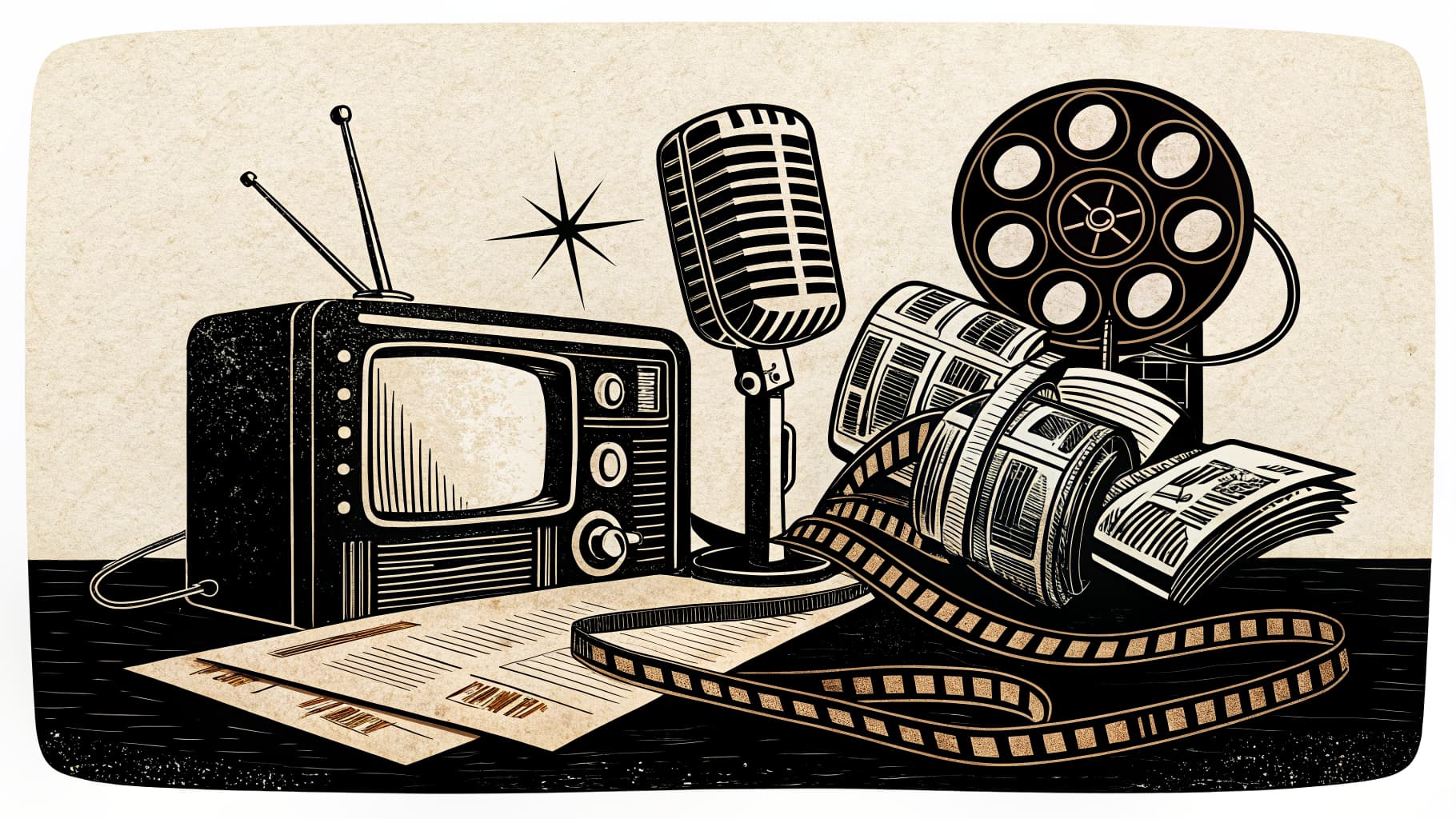
The Impact of Digital Convergence
An exploration of how technological advancements have blurred the lines between different media sectors. Students will assess the shift from traditional to digital distribution.
TL;DR:The Impact of Digital Convergence examines the seismic shift in how media is produced, distributed, and consumed. In the digital age, the boundaries between once-distinct industries, like film, gaming, and journalism, have blurred. Students explore how a single device, like a smartphone, now serves as a cinema, a newspaper, and a social hub. This topic is central to the A-Level curriculum as it addresses the technological drivers of change in the 21st century.
About This Topic
The Impact of Digital Convergence examines the seismic shift in how media is produced, distributed, and consumed. In the digital age, the boundaries between once-distinct industries, like film, gaming, and journalism, have blurred. Students explore how a single device, like a smartphone, now serves as a cinema, a newspaper, and a social hub. This topic is central to the A-Level curriculum as it addresses the technological drivers of change in the 21st century.
Students will analyse how convergence allows for 'synergy,' where different branches of a media company work together to promote a single brand. They also consider the challenges this poses to traditional business models and the opportunities it creates for new forms of storytelling. This topic particularly benefits from hands-on, student-centered approaches where learners can explore the multi-platform nature of modern media campaigns.
Key Questions
- How has digital convergence transformed media consumption?
- What challenges do traditional media face in the digital age?
- How do platforms utilise cross-media synergy?
Watch Out for These Misconceptions
Common MisconceptionConvergence is just about technology.
What to Teach Instead
Convergence is also about business (companies merging) and culture (audiences creating their own content). A 'think-pair-share' on how we use our phones can help students see the cultural side of convergence.
Common MisconceptionTraditional media is completely dead.
What to Teach Instead
Traditional media like TV and radio are evolving and integrating with digital, not just disappearing. Investigating how 'Live TV' uses Twitter hashtags helps students see this integration in action.
Active Learning Ideas
See all activities→Stations Rotation
The Convergence Experience
Set up stations representing different platforms (social media, streaming, print, gaming). Groups must find examples of how a single media franchise (e.g., Star Wars) exists across all these spaces and how they link together.
Inquiry Circle
The Death of the DVD?
Pairs research the decline of physical media and the rise of streaming. They create a 'then and now' infographic showing how distribution has changed and what this means for audience 'ownership' of content.
Simulation Game
Launching a Transmedia Campaign
Students work in small groups to design a launch plan for a new TV show that uses at least three different digital platforms. They must explain how convergence will help them reach a wider audience.
Frequently Asked Questions
What is digital convergence in simple terms?
How has convergence changed media consumption?
Why is synergy important in the digital age?
How can active learning help students understand technological change?
More in Media Industries and Audiences
Ownership and Control
Students investigate the impact of media conglomerates and monopolies on content production. They will analyse Curran and Seaton's power and media industries theory.
8 methodologies
Audience Categorisation and Consumption
This topic covers how media industries target specific demographics and psychographics. Students will explore how marketing strategies are tailored to distinct audience segments.
8 methodologies
Active vs. Passive Audiences
Students debate the extent to which audiences are influenced by media texts. They will contrast the Hypodermic Syringe model with Uses and Gratifications theory.
8 methodologies