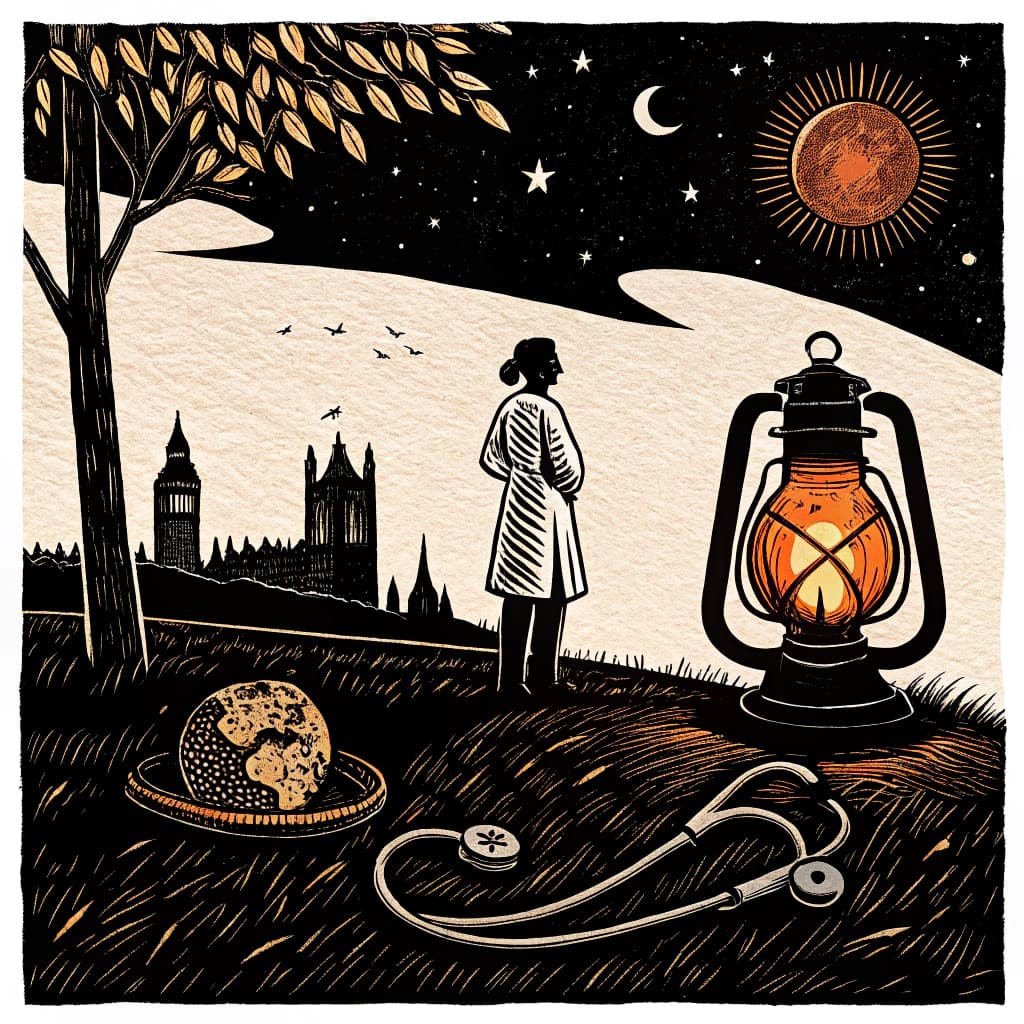
Preserving Our Local Past
Thinking about why we protect old buildings, historical sites, and how we keep local history alive.
TL;DR:Active learning turns abstract ideas about the past into tangible experiences by letting children see, touch, and discuss real places and objects in their community. When Year 2 students walk to a local historical site or interview an elder, they connect textbook concepts to lived reality, making preservation meaningful rather than theoretical.
About This Topic
Preserving our local past teaches Year 2 children the reasons for protecting historical buildings and sites in their community, such as old mills, churches, or war memorials. Students explore how these places preserve stories of past events, people, and changes, answering key questions about maintenance, sharing history, and time capsules. This content aligns with KS1 History standards on significant local places and historical enquiry, encouraging children to observe features, ask questions, and record findings.
Children connect family stories to wider heritage, developing skills in chronology, evidence interpretation, and community awareness. They learn preservation balances past value with present needs, like adapting buildings for modern use. This builds citizenship by highlighting collective responsibility for shared spaces.
Active learning suits this topic perfectly because hands-on experiences, such as site visits or creating time capsules, make abstract ideas concrete. Children commit to heritage when they map local sites collaboratively or interview residents, fostering enquiry and personal investment through direct participation.
Key Questions
- Why is it important to look after old buildings and historical places in our community?
- How can we share our local history with other people?
- What would you put in a time capsule to help people in the future understand what life is like now?
Learning Objectives
- Identify significant historical buildings and sites within their local community.
- Explain the reasons why specific local historical places are preserved.
- Compare how different local historical places represent different aspects of the past.
- Design a plan for sharing information about a chosen local historical site with peers.
- Evaluate the potential contents for a time capsule that would represent current life.
Before You Start
Why: Students need a basic understanding of their local community and some of its notable people or events to identify and value local history.
Why: A foundational understanding of what history is, including the concept of the past and the use of evidence, is necessary before exploring specific historical sites.
Key Vocabulary
| Preservation | The act of protecting and maintaining historical buildings, sites, or objects so they are not damaged or destroyed. |
| Heritage | Features, traditions, or items that have been passed down from previous generations and are considered of historical or cultural value. |
| Artifact | An object made by a human being, typically of cultural or historical interest, such as old tools or pottery found locally. |
| Chronology | The arrangement of events or dates in the order in which they happened, helping us understand the sequence of local history. |
| Time Capsule | A container holding historical artifacts or information intended to communicate with future people. |
Watch Out for These Misconceptions
Common MisconceptionOld buildings are useless and should be replaced.
What to Teach Instead
These sites hold community stories and can serve modern purposes, like events in historic halls. Site walks let children see active use firsthand, using observations to challenge replacement ideas through peer discussions.
Common MisconceptionOnly famous national places matter, not local ones.
What to Teach Instead
Local sites reveal unique area histories tied to daily life. Mapping activities help children discover personal links, shifting views via collaborative evidence gathering and sharing.
Common MisconceptionPreserving history stops all changes.
What to Teach Instead
Protection allows careful adaptation alongside conservation. Time capsule projects show future value of today's changes, with group decisions highlighting balance through hands-on planning.
Active Learning Ideas
See all activities→Think-Pair-Share
Whole Class: Local Heritage Walk
Choose a nearby historical site and lead a guided walk. Pause at key features for children to observe and discuss preservation reasons. Back in class, children share sketches or notes in a group timeline.
Think-Pair-Share
Pairs: Elder Interviews
Pair children to interview family members or local residents about area changes. Provide question prompts like 'What did this street look like before?' Record answers on templates. Pairs present one story to the class.
Think-Pair-Share
Small Groups: Time Capsule Build
Groups brainstorm five items representing today, such as toys or photos. Write explanatory labels and assemble in a sealed box. Bury or display the capsule with a future opening date.
Real-World Connections
- Local historical societies, like the one in York, employ archivists and curators to care for collections of documents and objects, ensuring that the stories of the city's past, from Roman times to the industrial revolution, are kept safe.
- Town planners and conservation officers work together to decide which old buildings in towns like Bath should be protected or adapted for new uses, balancing the need to keep historical character with modern housing or business needs.
- Museums, such as the Museum of London, create special exhibitions or digital archives to share stories about the city's past, using artifacts and photographs to help people understand how London has changed over centuries.
Assessment Ideas
Provide students with a picture of a local historical building. Ask them to write two sentences explaining why it is important to preserve this building and one thing they might find inside that tells us about the past.
Pose the question: 'If you could only save one old building in our town for the future, which would it be and why?' Facilitate a class discussion, encouraging students to justify their choices using historical significance or community value.
Ask students to draw a simple map of their classroom and mark one object that represents 'now'. Then, ask them to imagine this map is part of a time capsule and write one sentence explaining why they chose that object.
Frequently Asked Questions
Why teach preserving local past in Year 2 history?
What items for Year 2 time capsule activity?
How does active learning help Year 2 local heritage lessons?
Activities for KS1 historical enquiry on locality?
Planning templates for History
5E Model
The 5E Model structures lessons through five phases (Engage, Explore, Explain, Elaborate, and Evaluate), guiding students from curiosity to deep understanding through inquiry-based learning.
Unit PlannerThematic Unit
Organize a multi-week unit around a central theme or essential question that cuts across topics, texts, and disciplines, helping students see connections and build deeper understanding.
RubricSingle-Point Rubric
Build a single-point rubric that defines only the "meets standard" level, leaving space for teachers to document what exceeded and what fell short. Simple to create, easy for students to understand.
More in Our Local Heritage
Mapping Our Locality: Past and Present
Comparing historical maps of the local area with modern satellite imagery and street maps.
8 methodologies
Buildings with a Story: Local Landmarks
Investigating the history of significant buildings or landmarks in the local community.
8 methodologies
Local Heroes and Notable Figures
Researching a significant person who lived in or visited our town or city and their contributions.
8 methodologies
The History of Our School
Investigating when the school was built, its original purpose, and what it was like for the first pupils.
8 methodologies
Local Transport: Then and Now
Exploring how people traveled in the local area in the past compared to modern transport.
8 methodologies
Local Shops and Industries
Investigating the types of shops and industries that existed in the local area historically and how they've changed.
8 methodologies