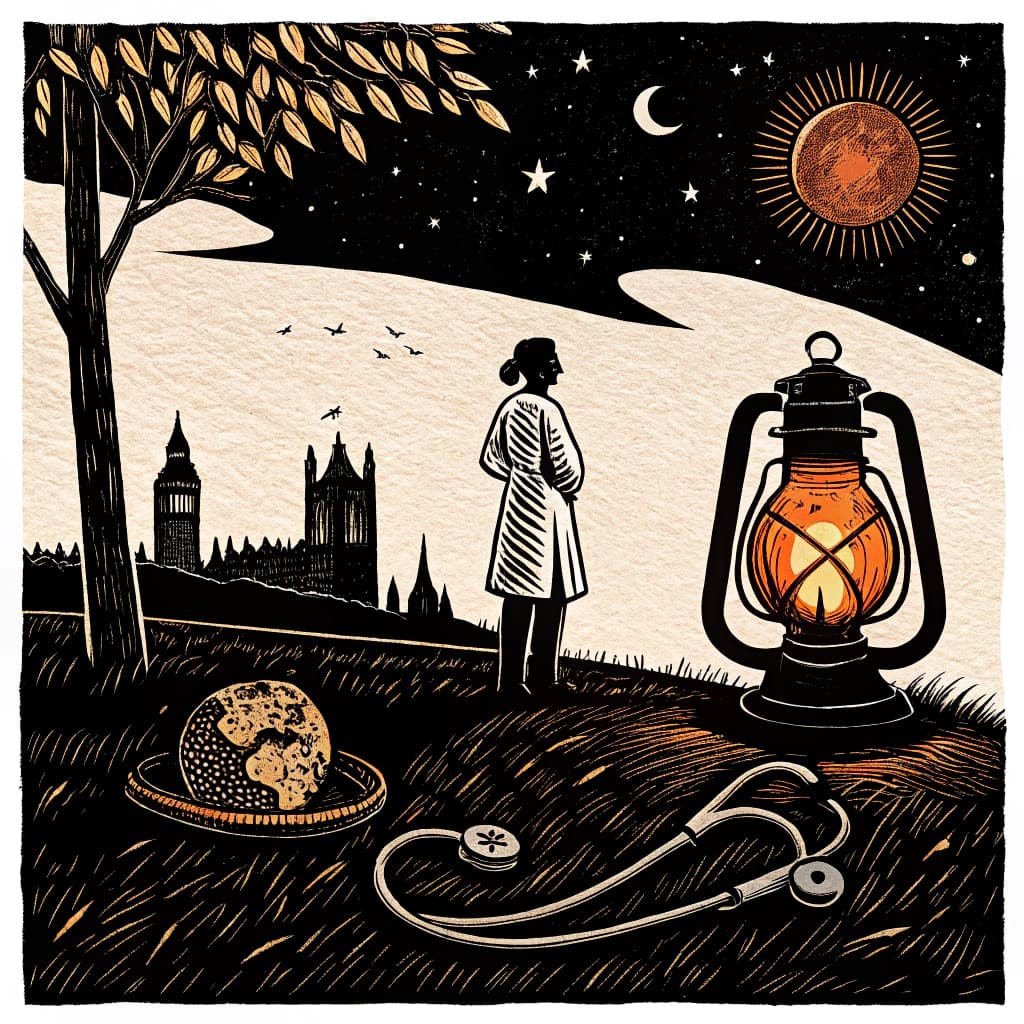
Local Heroes and Notable Figures
Researching a significant person who lived in or visited our town or city and their contributions.
TL;DR:Active learning works especially well for Local Heroes and Notable Figures because it connects abstract history to children’s lived environment. Walking the local streets, handling primary materials, and stepping into roles makes distant contributions tangible and memorable for Year 2 learners.
About This Topic
The topic Local Heroes and Notable Figures guides Year 2 pupils to research a significant person linked to their town or city, meeting KS1 History standards for significant individuals and places in their locality. Children choose a local hero, such as an inventor, community leader, or notable visitor, and examine contributions like building landmarks, aiding the poor, or inspiring change. They tackle key questions: Who is a famous person from our area and what did they do? How has this person made a difference locally or globally? What makes someone a local hero? This approach roots history in children's immediate world, making it personal and engaging.
Pupils build historical enquiry skills by consulting sources like plaques, statues, library books, photographs, and local museum displays. They construct simple timelines to position their hero's life against family or school history, grasping concepts of change and significance. Cross-curricular ties include English for biography writing, art for portraits, and PSHE for discussing heroism qualities like bravery and kindness.
Active learning thrives with this topic. When children walk local sites, interview residents, or role-play their hero's achievements in small groups, they connect evidence to stories firsthand. These experiences create emotional links, boost retention, and cultivate community pride through tangible, collaborative exploration.
Key Questions
- Who is a famous person from your local area and what did they do?
- How has this person made a difference to your local community or to the wider world?
- What do you think makes someone a local hero?
Learning Objectives
- Identify key biographical details of a chosen local historical figure.
- Explain the specific contributions of a local historical figure to their community or the wider world.
- Analyze the qualities that define a local hero based on the research of a historical figure.
- Compare the impact of different local historical figures on their communities.
Before You Start
Why: This topic builds on the understanding of different roles people play in a community and their impact.
Why: Students need to be able to place events in chronological order to understand the historical context of their chosen figure.
Key Vocabulary
| Local Hero | A person from your town or city, or someone who visited, who is remembered for making a positive difference through their actions or achievements. |
| Contribution | The part played by a person in achieving something, or the gift or payment made to a fund or cause. |
| Biography | An account of someone's life written by someone else, focusing on significant events and achievements. |
| Historical Figure | A person who was important in history and whose actions had a noticeable effect on events. |
Watch Out for These Misconceptions
Common MisconceptionHeroes must be famous worldwide.
What to Teach Instead
Local heroes matter for their community impact, even if unknown nationally. Site visits and resident interviews reveal hidden stories, helping children value everyday significance through peer discussions.
Common MisconceptionAll heroes lived centuries ago.
What to Teach Instead
Heroes include recent figures like local war veterans or charity founders. Talking to living locals or viewing modern plaques corrects this, with role-plays bringing timelines to life.
Common MisconceptionHistory figures did everything alone.
What to Teach Instead
Heroes often collaborated with others. Group research on supporters shows teamwork, clarified in shared timelines and dramatizations that highlight community roles.
Active Learning Ideas
See all activities→Hot Seat
Local Walk: Hero Hunt
Lead the class on a short walk to nearby plaques or statues. Pupils sketch findings and note key facts. Back in class, share discoveries to build a class hero list.
Hot Seat
Pairs: Hero Timeline
Pairs select one hero and gather dates from sources. They draw a timeline strip showing birth, key events, death or present day, and child's own birth. Share with class.
Hot Seat
Small Groups: Hero Role-Play
Groups prepare a short dramatisation of their hero's main achievement using simple props. Perform for peers, then discuss impacts. Record on video for reflection.
Real-World Connections
- Local museums often feature exhibits dedicated to notable figures from the area, such as the Museum of London which has displays on figures like Samuel Pepys.
- Town twinning initiatives, like those between British towns and European cities, often celebrate historical figures who represent shared values or historical connections.
- Street names, statues, and plaques in towns and cities worldwide commemorate individuals who have made significant contributions to public life, art, science, or community welfare.
Assessment Ideas
Students receive a card with the name of a local historical figure. They must write one sentence describing what this person did and one sentence explaining why they might be considered a hero.
Facilitate a class discussion using the prompt: 'Based on the people we've researched, what three qualities do you think are most important for someone to be called a local hero? Give an example for each quality from our research.'
Ask students to hold up fingers to indicate agreement (5 fingers) or disagreement (1 finger) with statements like: 'Our local hero's main contribution was building the library.' or 'This person's actions only affected our town, not anywhere else.'
Frequently Asked Questions
How to select local heroes for Year 2 history?
What sources work best for researching local heroes?
How can active learning help teach local heroes?
How to assess understanding of local heroes?
Planning templates for History
5E Model
The 5E Model structures lessons through five phases (Engage, Explore, Explain, Elaborate, and Evaluate), guiding students from curiosity to deep understanding through inquiry-based learning.
Unit PlannerThematic Unit
Organize a multi-week unit around a central theme or essential question that cuts across topics, texts, and disciplines, helping students see connections and build deeper understanding.
RubricSingle-Point Rubric
Build a single-point rubric that defines only the "meets standard" level, leaving space for teachers to document what exceeded and what fell short. Simple to create, easy for students to understand.
More in Our Local Heritage
Mapping Our Locality: Past and Present
Comparing historical maps of the local area with modern satellite imagery and street maps.
8 methodologies
Buildings with a Story: Local Landmarks
Investigating the history of significant buildings or landmarks in the local community.
8 methodologies
The History of Our School
Investigating when the school was built, its original purpose, and what it was like for the first pupils.
8 methodologies
Local Transport: Then and Now
Exploring how people traveled in the local area in the past compared to modern transport.
8 methodologies
Local Shops and Industries
Investigating the types of shops and industries that existed in the local area historically and how they've changed.
8 methodologies
Preserving Our Local Past
Thinking about why we protect old buildings, historical sites, and how we keep local history alive.
8 methodologies