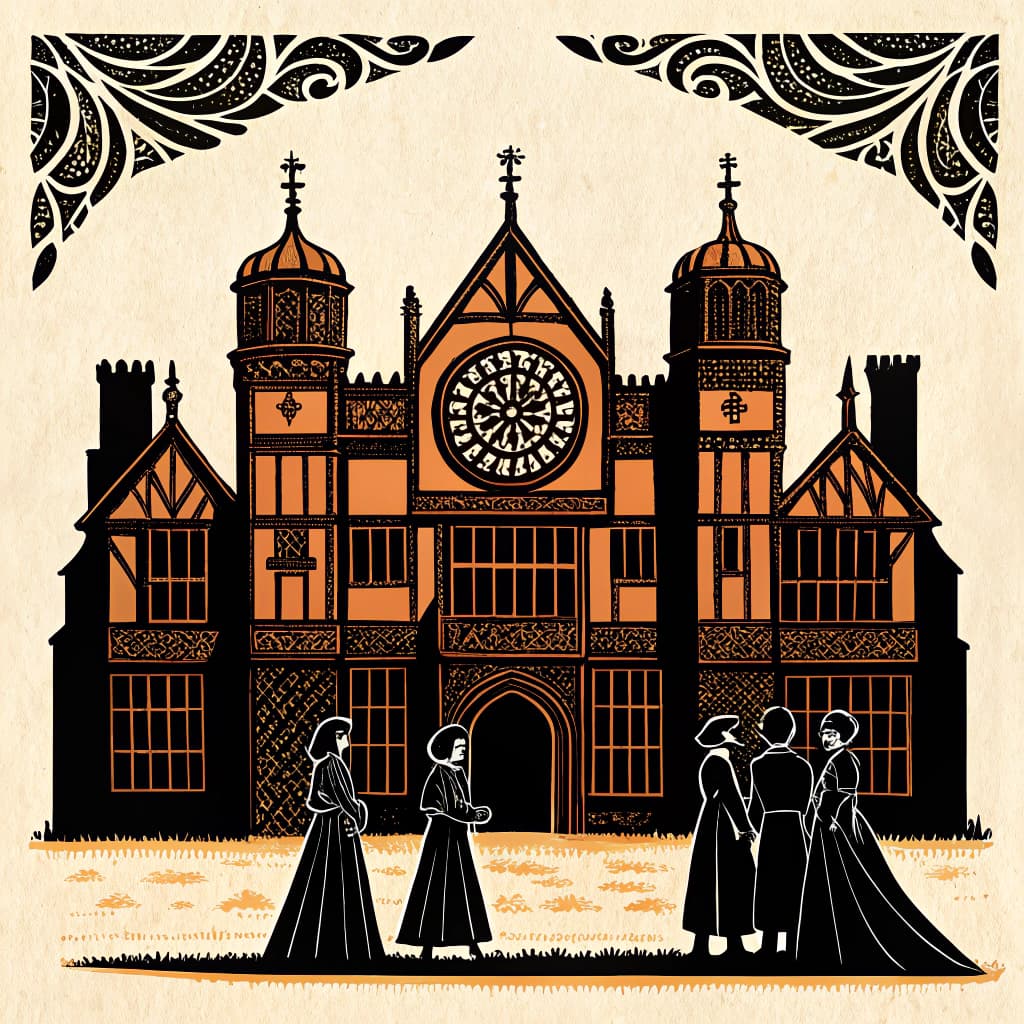
The Field of the Cloth of Gold
The peak of diplomatic pageantry and its limited practical outcomes.
About This Topic
The Field of the Cloth of Gold, a lavish diplomatic summit in 1520 between Henry VIII of England and Francis I of France, represents a pinnacle of early 16th-century royal pageantry. This event, characterized by immense expenditure on temporary palaces, jousts, feasts, and elaborate attire, aimed to solidify a fragile peace and foster an alliance against the growing power of the Holy Roman Emperor, Charles V. Students at this level will investigate the motivations behind such an extravagant display, examining whether it was primarily a genuine attempt at diplomatic rapprochement or a performance of royal power and prestige on an international stage.
Analyzing the event requires students to move beyond the spectacle to assess its tangible outcomes. While the summit produced no significant treaties or lasting alliances, it did serve to enhance the personal reputations of both monarchs and showcase England's growing influence. Understanding the limited practical achievements in contrast to the enormous cost is crucial for evaluating the event's true success. This topic offers a rich opportunity to explore the intersection of foreign policy, personal ambition, and the symbolic power of royal display in Tudor England.
Active learning is particularly beneficial for grasping the scale and intent of the Field of the Cloth of Gold. Engaging with primary source accounts, visual representations, and even cost analyses allows students to reconstruct the event imaginatively and critically, moving beyond a simple narrative of extravagance to a nuanced understanding of its diplomatic context and consequences.
Key Questions
- Analyze the purpose of the 1520 meeting between Henry and Francis I.
- Explain the symbolism and extravagance of the Field of the Cloth of Gold.
- Evaluate the practical diplomatic achievements of this event.
Watch Out for These Misconceptions
Common MisconceptionThe Field of the Cloth of Gold was a straightforward alliance between England and France.
What to Teach Instead
Students often overlook the underlying tensions and the temporary nature of the 'peace'. Active learning through analyzing treaty texts and diplomatic correspondence reveals the fragility of the relationship and the underlying strategic calculations of both monarchs.
Common MisconceptionThe event's extravagance was purely for show with no political purpose.
What to Teach Instead
While spectacle was central, it served a clear political purpose: projecting royal power and influence. Examining primary source accounts of reactions from other European courts, facilitated by class discussion, helps students connect the pageantry to its intended diplomatic impact.
Active Learning Ideas
See all activities→Museum Exhibit
Format Name: Primary Source Analysis - Accounts and Images
Students analyze excerpts from contemporary accounts detailing the costs and events, alongside visual representations like paintings or engravings. They identify key features of the pageantry and compare descriptions with visual evidence to assess the event's scale and purpose.
Museum Exhibit
Format Name: Debate - Diplomatic Triumph or Folly?
Divide students into two groups to debate whether the Field of the Cloth of Gold was a diplomatic success or a costly failure. One side argues for its achievements in prestige and personal diplomacy, while the other emphasizes the lack of concrete outcomes and immense expenditure.
Museum Exhibit
Format Name: Cost-Benefit Analysis Simulation
Provide students with a simplified budget for the summit and a list of potential diplomatic gains. They must allocate resources and justify their spending decisions, considering the trade-offs between spectacle and substantive diplomatic objectives.
Frequently Asked Questions
What were the main goals of the Field of the Cloth of Gold?
How did the Field of the Cloth of Gold impact Anglo-French relations?
Why is studying the Field of the Cloth of Gold important for understanding Henry VIII's reign?
How can role-playing activities enhance understanding of the Field of the Cloth of Gold?
Planning templates for History
5E Model
The 5E Model structures lessons through five phases (Engage, Explore, Explain, Elaborate, and Evaluate), guiding students from curiosity to deep understanding through inquiry-based learning.
Unit PlannerThematic Unit
Organize a multi-week unit around a central theme or essential question that cuts across topics, texts, and disciplines, helping students see connections and build deeper understanding.
RubricSingle-Point Rubric
Build a single-point rubric that defines only the "meets standard" level, leaving space for teachers to document what exceeded and what fell short. Simple to create, easy for students to understand.
More in Henry VIII: The Early Years and Wolsey
The Character and Aims of Henry VIII
Contrasting the new King's personality and goals with those of his father.
3 methodologies
The Rise of Thomas Wolsey
How a butcher's son from Ipswich became the second most powerful man in England.
3 methodologies
Early Foreign Policy: War with France (1513)
The pursuit of military glory and the impact of the 1513 campaign in France.
3 methodologies
Foreign Policy: Battle of Flodden and Scotland
The impact of the Battle of Flodden on Anglo-Scottish relations and Henry's prestige.
3 methodologies
The Treaty of London (1518) and Universal Peace
Wolsey's diplomatic masterpiece attempting to create a universal peace in Europe.
3 methodologies
Wolsey's Domestic Policy: Legal and Administrative Reforms
Wolsey's attempts at legal and administrative reform, particularly in the Star Chamber.
3 methodologies