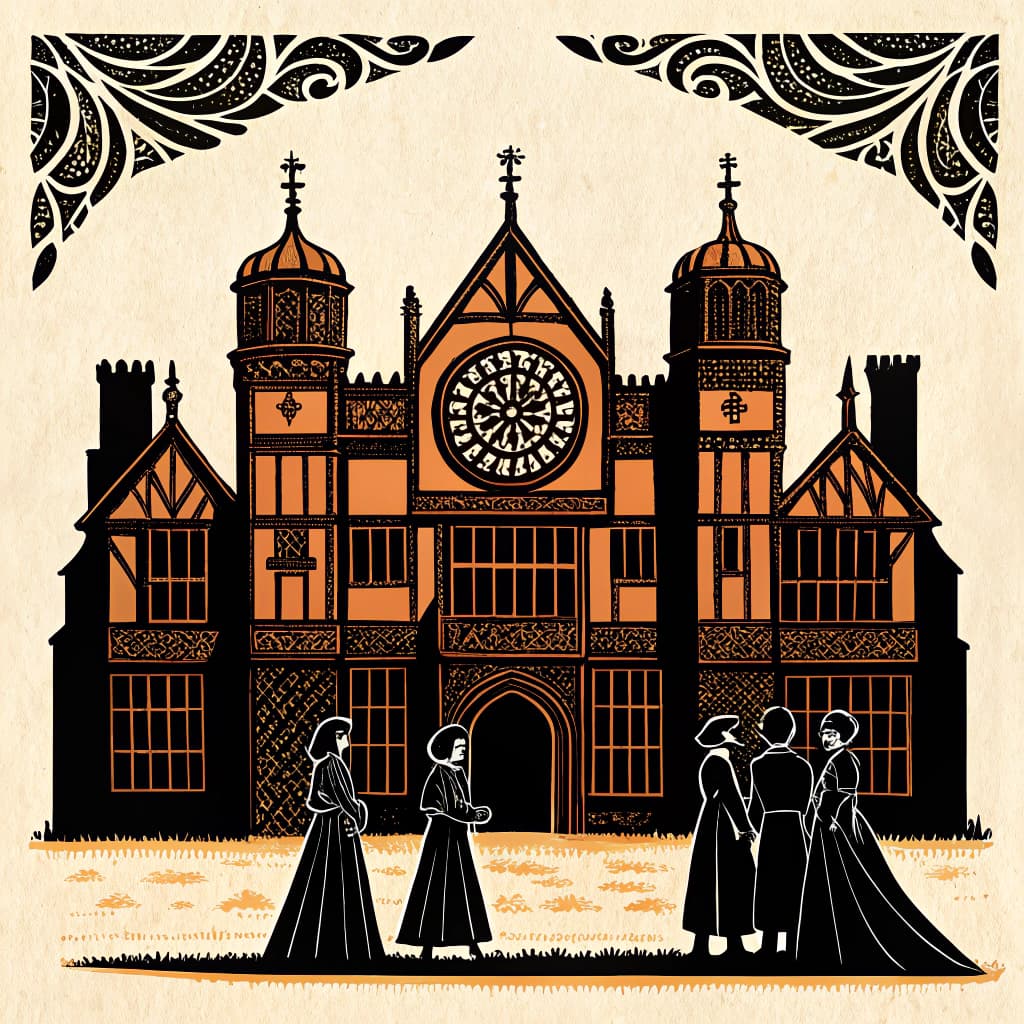
The Fall of Wolsey
The rapid collapse of Wolsey's power following his failure to secure the annulment.
About This Topic
The Fall of Wolsey centers on the cardinal's swift downfall in 1529, triggered by his failure to obtain papal annulment for Henry VIII's marriage to Catherine of Aragon. Students explore layered causes: noble resentment over Wolsey's dominance in church and state affairs, his unpopular taxes like the Amicable Grant, failed foreign diplomacy, and Henry's impatience with delays. Key questions probe noble opposition, Wolsey's self-inflicted errors, and survival chances had the annulment succeeded.
This topic fits A-Level History standards for Henry VIII: Government and Wolsey, and The Tudors: England, 1485–1603. It develops skills in causation analysis, source evaluation, and counterfactual reasoning through evidence like letters, chronicles, and acts of attainder. Students connect Wolsey's collapse to broader Tudor themes of factionalism, royal authority, and the shift toward Reformation pressures.
Active learning excels with this content because political intrigue thrives on debate and perspective-taking. When students role-play noble accusations or construct cause-and-effect chains in groups, they actively weigh evidence, challenge assumptions, and articulate hypotheses. These approaches turn passive reading into dynamic skill-building, making complex power shifts engaging and memorable.
Key Questions
- Explain why the nobility turned so fiercely against Wolsey in 1529.
- Analyze how far Wolsey was responsible for his own downfall.
- Hypothesize whether Wolsey could have survived if he had secured the annulment.
Learning Objectives
- Analyze the specific grievances of the nobility against Thomas Wolsey in 1529, citing at least three distinct reasons.
- Evaluate the extent to which Wolsey's personal actions and decisions contributed to his downfall, using evidence from primary and secondary sources.
- Synthesize information to construct an argument about whether Wolsey's failure to secure the annulment was the primary cause of his fall or a catalyst for existing resentments.
- Compare Wolsey's political strategies in the early 1520s with his approach in 1529 to identify changes that may have weakened his position.
Before You Start
Why: Students need a foundational understanding of Henry VIII's character, his early foreign policy aims, and Wolsey's initial rise to power before analyzing his fall.
Why: Understanding the traditional power and influence of the nobility is crucial for grasping the depth of their resentment towards Wolsey's dominance.
Key Vocabulary
| Annulment | The invalidation of a marriage by a religious authority, declaring that the marriage was never valid. Henry VIII sought an annulment from Catherine of Aragon to marry Anne Boleyn. |
| Amicable Grant | An unpopular, non-parliamentary tax levied in 1525 to fund Henry VIII's wars in France. It caused widespread resistance and damaged Wolsey's reputation. |
| Papal Dispensation | Official permission granted by the Pope to deviate from canon law. Wolsey sought this to allow Henry VIII to divorce Catherine, but it proved impossible to obtain. |
| Factionalism | The presence of competing groups or factions within a court or government. Noble resentment of Wolsey's power fueled factional opposition. |
Watch Out for These Misconceptions
Common MisconceptionWolsey's fall resulted only from the annulment failure.
What to Teach Instead
Multiple factors built over years, including noble exclusion from power and policy blunders. Group timeline activities reveal cumulative causes, helping students sequence events and appreciate interconnections beyond single triggers.
Common MisconceptionHenry VIII played no active role in Wolsey's downfall.
What to Teach Instead
Henry withdrew support amid frustrations, issuing arrest orders. Role-play debates let students embody perspectives, exposing Henry's agency and balancing blame through evidence evaluation.
Common MisconceptionWolsey could have easily survived with better papal ties.
What to Teach Instead
Structural issues like imperial-papal alliances doomed efforts. Source stations unpack diplomatic complexities, guiding students to nuanced judgments via collaborative analysis.
Active Learning Ideas
See all activities→Hot Seat
Source Analysis Stations: Causes of Downfall
Set up stations with primary sources on noble grievances, annulment delays, and Wolsey's policies. Small groups spend 8 minutes per station noting evidence and links to key questions, then share findings in a class debrief. Provide worksheets for structured annotations.
Hot Seat
Debate Pairs: Wolsey's Responsibility
Pair students as prosecution and defense teams using provided sources. Each pair prepares a 3-minute opening statement on Wolsey's role in his fall, followed by rebuttals. Conclude with whole-class vote and reflection on evidence strength.
Hot Seat
Timeline Role-Play: Path to Collapse
Groups assign roles like Wolsey, Henry, nobles, or Pope to reenact 1527-1529 events on a shared timeline. They add cards with decisions and consequences, then hypothesize changes if annulment succeeded. Discuss as class.
Real-World Connections
- Historians working as museum curators, like those at the National Archives, analyze historical documents such as parliamentary records and personal correspondence to reconstruct the political climate of the Tudor court.
- Political advisors in modern governments often analyze the causes of public discontent and the shifting allegiances of influential groups to advise leaders on policy and maintain stability, drawing parallels to historical events like Wolsey's fall.
Assessment Ideas
Pose the question: 'Imagine you are a prominent noble in 1529. Write a short speech (2-3 sentences) to the King outlining your primary complaint against Cardinal Wolsey and why his recent failures make him unfit to serve.' Students share their speeches and discuss common themes.
Provide students with a short primary source excerpt (e.g., a letter from a noble criticizing Wolsey). Ask them to identify two specific criticisms mentioned and explain how these criticisms relate to either Wolsey's personal actions or his failure to secure the annulment.
On an index card, students complete the sentence: 'Wolsey's downfall was primarily caused by ____ because ____.' They must choose one main cause and provide a brief justification, demonstrating their understanding of causation.
Frequently Asked Questions
Why did the nobility turn against Wolsey in 1529?
How can active learning help teach the Fall of Wolsey?
To what extent was Wolsey responsible for his own downfall?
Could Wolsey have survived if he secured the annulment?
Planning templates for History
5E Model
The 5E Model structures lessons through five phases (Engage, Explore, Explain, Elaborate, and Evaluate), guiding students from curiosity to deep understanding through inquiry-based learning.
Unit PlannerThematic Unit
Organize a multi-week unit around a central theme or essential question that cuts across topics, texts, and disciplines, helping students see connections and build deeper understanding.
RubricSingle-Point Rubric
Build a single-point rubric that defines only the "meets standard" level, leaving space for teachers to document what exceeded and what fell short. Simple to create, easy for students to understand.
More in Henry VIII: The Early Years and Wolsey
The Character and Aims of Henry VIII
Contrasting the new King's personality and goals with those of his father.
3 methodologies
The Rise of Thomas Wolsey
How a butcher's son from Ipswich became the second most powerful man in England.
3 methodologies
Early Foreign Policy: War with France (1513)
The pursuit of military glory and the impact of the 1513 campaign in France.
3 methodologies
Foreign Policy: Battle of Flodden and Scotland
The impact of the Battle of Flodden on Anglo-Scottish relations and Henry's prestige.
3 methodologies
The Treaty of London (1518) and Universal Peace
Wolsey's diplomatic masterpiece attempting to create a universal peace in Europe.
3 methodologies
The Field of the Cloth of Gold
The peak of diplomatic pageantry and its limited practical outcomes.
3 methodologies