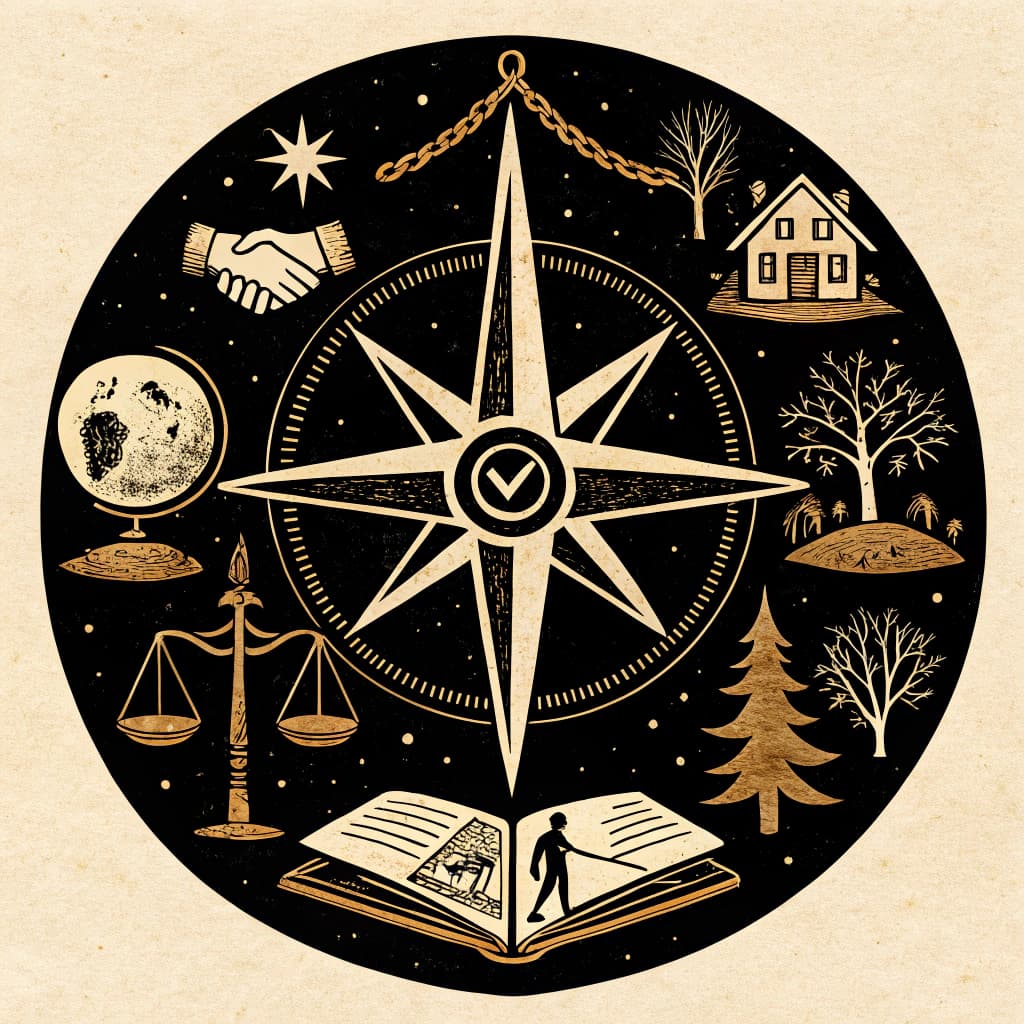
What are Human Rights?
An introduction to the basic concept of human rights and why they are important for everyone.
TL;DR:Active learning works well for this topic because human rights are abstract concepts that children best understand through personal connection and concrete examples. When students engage in discussions, role-plays, and creative projects, they move from passive listening to active reasoning about fairness and respect in their own lives. This approach builds empathy and critical thinking while making abstract ideas feel relevant.
About This Topic
Human rights are basic entitlements every person has by virtue of being human, as outlined in the Universal Declaration of Human Rights. Grade 3 students define these rights, such as the right to safety, education, and fair treatment, and recognize their universal nature: they apply to all people everywhere, including children in Canadian communities. Through this topic, students connect rights to daily life, seeing how they protect individuals from harm like bullying or discrimination.
In Ontario's Social Studies curriculum, this unit builds global citizenship by analyzing how rights promote fairness and cooperation in communities. Students explore key questions about universality and protection, linking personal experiences to broader societal benefits. This fosters empathy and responsibility, skills essential for active community members.
Active learning benefits this topic greatly because human rights involve abstract ideas best grasped through participation. Role plays of rights scenarios, collaborative charter creation, and peer discussions make concepts relatable, helping students internalize their importance and apply them to real situations.
Key Questions
- Define what human rights are and why they are universal.
- Explain why it is important for everyone to have basic human rights.
- Analyze how human rights protect individuals in a community.
Learning Objectives
- Define human rights and explain their universal nature.
- Explain why basic human rights are essential for all individuals.
- Analyze how human rights protect individuals within a community setting.
- Identify examples of human rights in everyday situations.
- Compare the concept of rights with responsibilities in a community.
Before You Start
Why: Understanding different roles within a community helps students grasp how rights apply to individuals and groups in familiar settings.
Why: Students need a foundational understanding of rules and why they exist to connect these concepts to the broader idea of human rights and protections.
Key Vocabulary
| Human Rights | Basic rights and freedoms that all people are entitled to, regardless of who they are or where they live. These rights are fundamental to living a life of dignity and fairness. |
| Universal | Applying to or true for all people in all places. Human rights are considered universal because they belong to everyone simply because they are human. |
| Dignity | The state of being worthy of honor or respect. Human rights help ensure that every person is treated with dignity. |
| Fairness | Treating everyone justly and equally. Human rights promote fairness by setting standards for how people should be treated. |
| Protection | Keeping someone or something safe from harm. Human rights offer protection against unfair treatment, discrimination, and abuse. |
Watch Out for These Misconceptions
Common MisconceptionHuman rights only apply to adults, not children.
What to Teach Instead
Rights are universal and include children, covering safety, education, and play. Sharing personal stories in pairs helps students recognize their own rights, building confidence to advocate for themselves.
Common MisconceptionHuman rights mean you can do whatever you want without rules.
What to Teach Instead
Rights balance with responsibilities to respect others. Role-playing scenarios reveals this interplay, as students practice fair solutions and see how individual actions affect the group.
Common MisconceptionHuman rights are the same as school or community rules.
What to Teach Instead
Rights are fundamental principles that inspire rules and laws. Class discussions and charter creation clarify the distinction, helping students analyze how rules protect broader rights.
Active Learning Ideas
See all activities→Think-Pair-Share
Rights in Daily Life
Students think individually for 2 minutes about three rights they have at home or school. They pair up to share and compare lists, then share one example with the whole class. Conclude with a class chart of common rights.
Role Play
Rights Scenarios
Prepare cards with scenarios like 'A child is teased for their clothes' or 'Someone is excluded from play.' In small groups, students act out the scenario, discuss the violated right, and role-play a fair resolution. Debrief as a class.
Think-Pair-Share
Group Work: Rights Charter Poster
Groups select five key human rights and create a poster explaining each with drawings and simple definitions. Groups present posters, and the class votes on a class rights charter to display. Connect to school rules.
Real-World Connections
- In schools across Canada, students have the right to education and to feel safe from bullying. Teachers and administrators work to ensure these rights are upheld, creating a positive learning environment for everyone.
- The Canadian Charter of Rights and Freedoms is a real-world document that lists many rights and freedoms that protect people living in Canada. It influences laws and decisions made by governments.
- Community centres often provide programs for children and families, ensuring access to resources and safe spaces. This reflects the human right to participate in community life and have access to opportunities.
Assessment Ideas
Give students a card with a scenario, such as 'A child is not allowed to play with friends because of their clothes.' Ask them to write one sentence explaining which human right is being violated and one sentence about why that right is important.
Pose the question: 'If everyone has human rights, what happens when two people's rights seem to conflict?' Facilitate a class discussion, guiding students to consider fairness, compromise, and the role of community rules in resolving such situations.
Present students with a list of statements. Ask them to sort each statement into two categories: 'Is this a human right?' or 'Is this NOT a human right?' Examples could include 'The right to play,' 'The right to have a pet,' 'The right to be treated fairly.'
Frequently Asked Questions
What are human rights in grade 3 Ontario social studies?
Why are human rights important for communities?
How does active learning help teach human rights to grade 3?
What activities teach human rights effectively in grade 3?
Planning templates for Social Studies
5E Model
The 5E Model structures lessons through five phases (Engage, Explore, Explain, Elaborate, and Evaluate), guiding students from curiosity to deep understanding through inquiry-based learning.
Unit PlannerThematic Unit
Organize a multi-week unit around a central theme or essential question that cuts across topics, texts, and disciplines, helping students see connections and build deeper understanding.
RubricSingle-Point Rubric
Build a single-point rubric that defines only the "meets standard" level, leaving space for teachers to document what exceeded and what fell short. Simple to create, easy for students to understand.
More in Global Citizenship and Human Rights
Canada's Role in the World
Students explore how Canada interacts with other countries through trade, aid, and peacekeeping.
8 methodologies
Children's Rights
Focusing on the specific rights of children, as outlined in international conventions, and their importance.
8 methodologies
Promoting Peace and Justice
Students explore ways individuals and communities can work towards peace and fairness locally and globally.
8 methodologies
Global Environmental Challenges
Students learn about environmental issues that affect the entire planet, such as climate change and pollution, and Canada's role.
8 methodologies