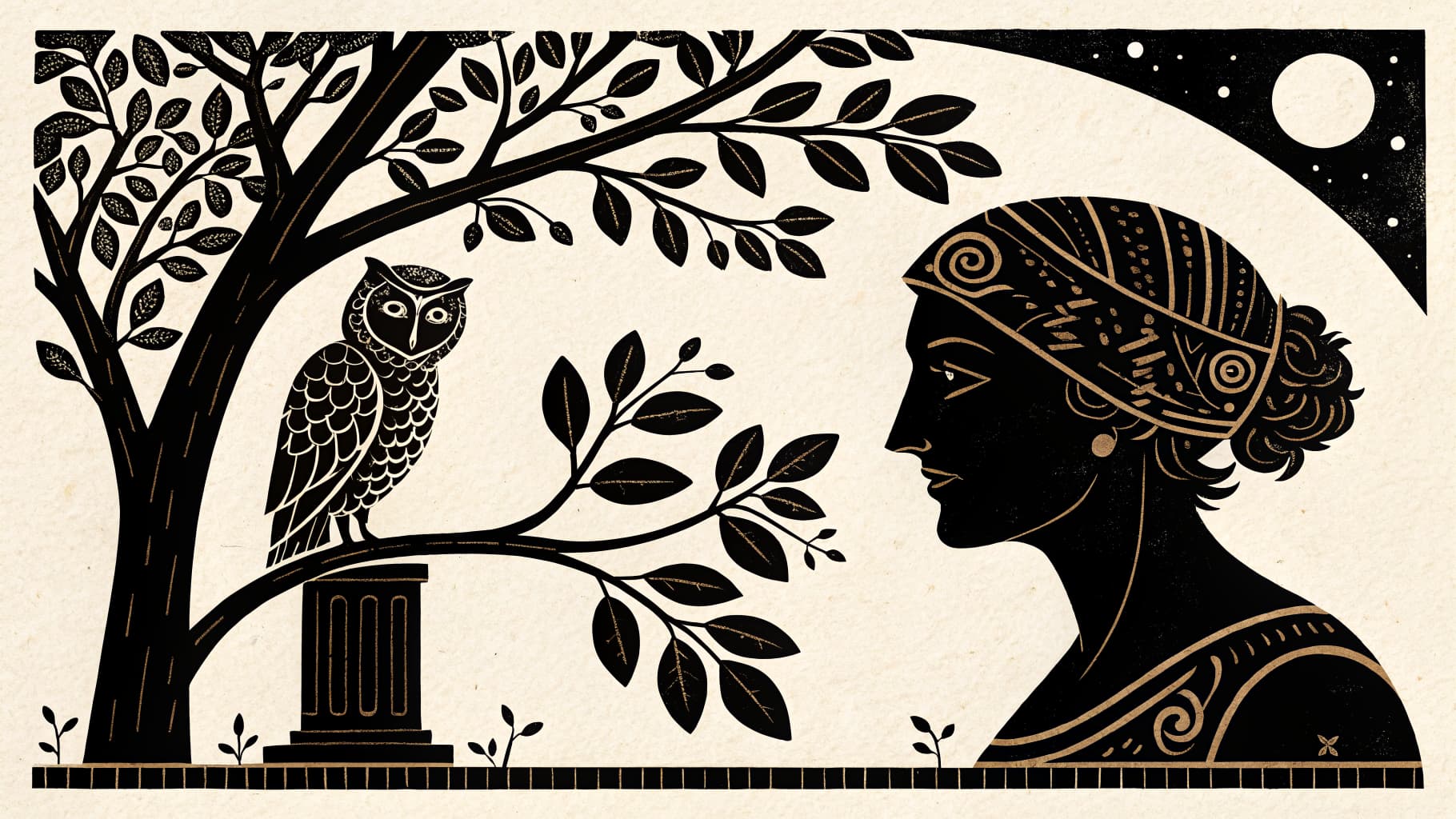
Perspectives on Human Nature
This topic examines various philosophical views on what it means to be human, including biological, psychological, and existential perspectives. Students evaluate theories of human motivation and purpose.
TL;DR:This topic explores the fundamental question of what it means to be human, examining biological, psychological, and existential lenses. Students analyze whether humans are inherently good, evil, or blank slates, and they tackle the tension between free will and determinism. These discussions are central to the Ontario curriculum's focus on human nature and help students build a personal philosophical framework.
About This Topic
This topic explores the fundamental question of what it means to be human, examining biological, psychological, and existential lenses. Students analyze whether humans are inherently good, evil, or blank slates, and they tackle the tension between free will and determinism. These discussions are central to the Ontario curriculum's focus on human nature and help students build a personal philosophical framework.
In Canada, these questions often intersect with Indigenous views on the interconnectedness of all living things and the colonial history of defining 'humanity' in ways that excluded certain groups. Students grasp this concept faster through role plays and simulations that force them to act out different philosophical stances on human motivation.
Key Questions
- Are humans inherently good or evil?
- Do we have free will or are our actions determined?
- What defines human consciousness?
Watch Out for These Misconceptions
Common MisconceptionHuman nature is a fixed biological fact that cannot be debated.
What to Teach Instead
Human nature is a philosophical construct influenced by culture and history. Using simulations helps students see how different societal structures can bring out different 'natural' behaviors.
Common MisconceptionExistentialism means that nothing matters and life is pointless.
What to Teach Instead
Existentialism emphasizes the radical freedom to create one's own meaning. Collaborative investigations into existentialist texts can help students find the 'empowering' side of this philosophy.
Active Learning Ideas
See all activities→Role Play
The Council of Human Nature
Assign students roles representing different philosophers like Hobbes, Rousseau, or an Indigenous Elder. They must debate a specific scenario, such as how to handle a resource shortage, from their assigned perspective on human nature.
Formal Debate
Free Will vs. Determinism
Divide the class into two sides to argue whether a person's life path is chosen or predestined by biology and environment. Students must use specific philosophical theories to support their points.
Gallery Walk
Defining the Self
Place various quotes and images representing different views on consciousness and human nature around the room. Students rotate in small groups to annotate the posters with their critiques and connections.
Frequently Asked Questions
How do I handle sensitive topics like residential schools when discussing human nature?
What are the best hands-on strategies for teaching human nature?
How does this topic connect to the Grade 11 Psychology curriculum?
Is it better to teach human nature chronologically or by theme?
More in Philosophical Foundations and Human Nature
Introduction to Philosophical Inquiry
Students explore the nature of philosophical questions and the basic tools of logic and reasoning. They learn to distinguish philosophical inquiry from other academic disciplines.
8 methodologies
The Mind-Body Problem
Students investigate the relationship between the physical brain and the conscious mind. They analyze dualism, materialism, and other theories of consciousness.
8 methodologies