Australia · ACARA Content Descriptions
Year 11 Modern History
Year 11 Modern History: an in-depth study of the forces that shaped the modern world from the late 18th century to the mid-20th century. This course covers the Enlightenment, Industrial Revolution, Imperialism, World Wars, and the rise of new political ideologies.
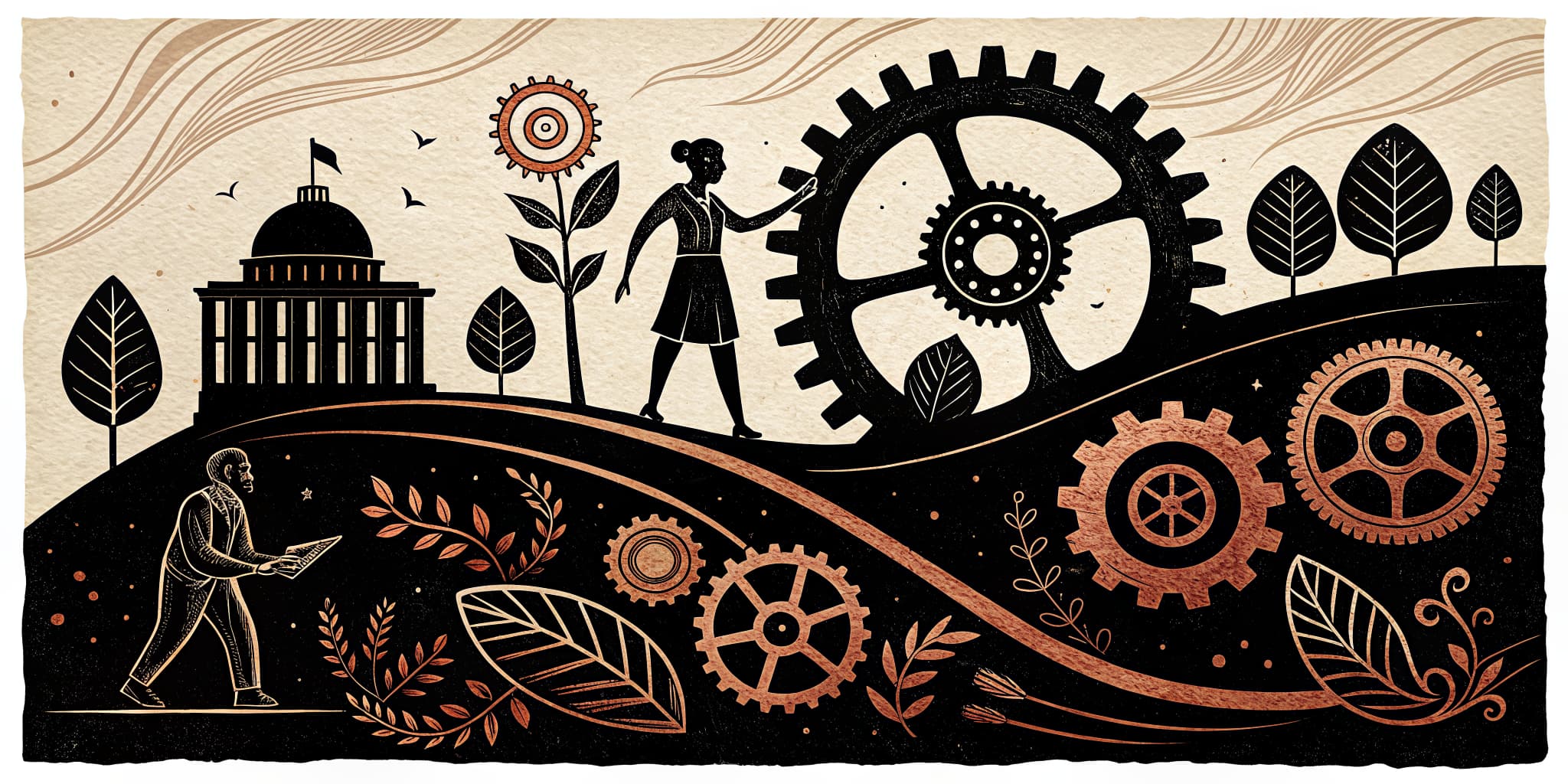
01The Enlightenment and the Age of Revolutions
Investigating the intellectual and political upheavals that challenged absolute monarchy and birthed modern democratic ideals.
Explore the intellectual roots of the Enlightenment, including the Scientific Revolution and early philosophical challenges to authority.
Examine the core philosophies of John Locke and Jean-Jacques Rousseau, focusing on natural rights, social contract, and popular sovereignty.
Investigate the contributions of Voltaire on religious tolerance and freedom of speech, and Montesquieu on the separation of powers.
Analyze how some European monarchs attempted to incorporate Enlightenment ideals into their rule while maintaining absolute power.
Examine the economic, political, and ideological factors leading to the American colonies' rebellion against British rule.
Study the key events, figures, and military strategies of the American Revolutionary War and the Declaration of Independence.
Analyze the deep-seated social inequalities of the Ancien Régime and France's fiscal crisis leading to revolution.
Trace the key events from the calling of the Estates-General to the establishment of the First French Republic, including the storming of the Bastille.
Examine the radical phase of the French Revolution, the role of Robespierre, and the Committee of Public Safety.
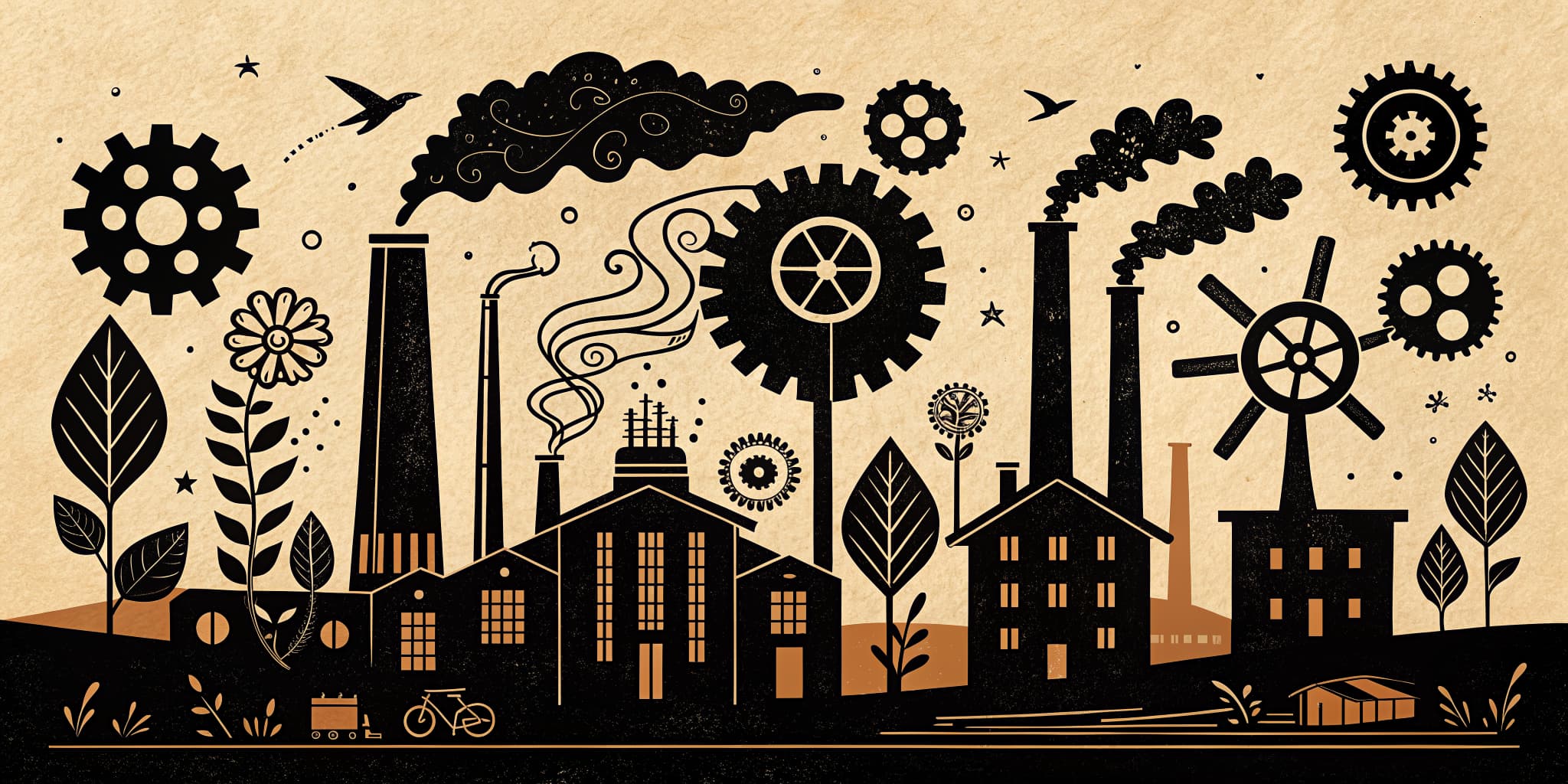
02The Industrial Revolution
The transformation of the global economy and the social consequences of mechanisation and urbanisation.
Examine the characteristics of pre-industrial life and how changes in agriculture paved the way for industrialisation.
Investigate the unique combination of factors in Britain that fostered the first Industrial Revolution.
Study the major technological innovations, particularly in textiles, and their impact on production methods.
Examine the development and widespread application of the steam engine and its reliance on coal as a primary energy source.
Investigate the rapid growth of industrial cities and the resulting challenges in housing, sanitation, and public health.
Examine the nature of factory work, the division of labor, and the harsh conditions faced by industrial laborers.
Focus on the exploitation of women and children in factories and mines, and early attempts at reform.
Investigate the emergence of the industrial bourgeoisie and the urban proletariat, and the widening gap between them.
Examine the initial responses of workers to industrialisation, including machine-breaking and early forms of collective action.
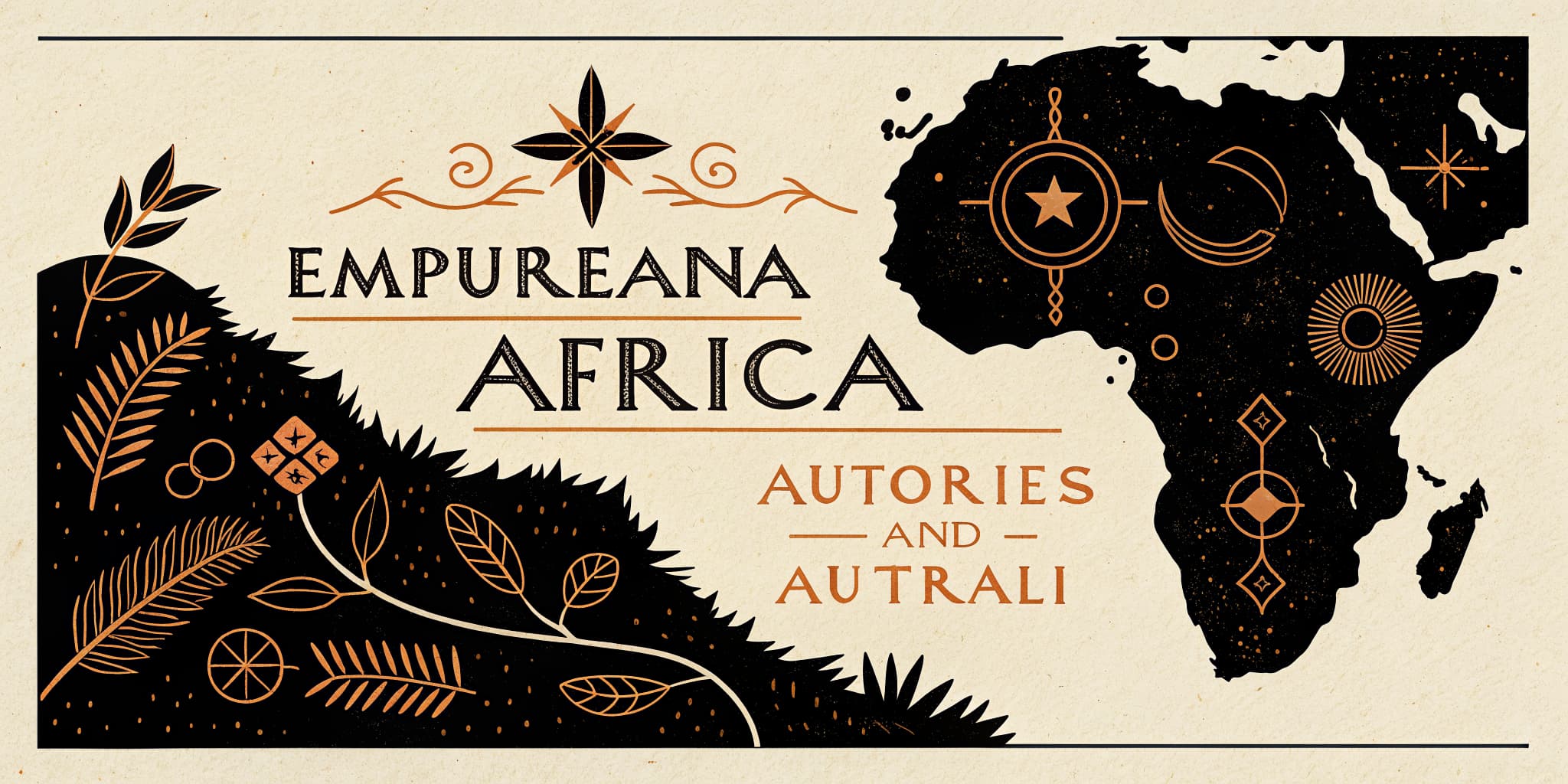
03Imperialism and Colonialism
The expansion of European empires and the impact on Indigenous societies, with a focus on Australia and Africa.
Differentiate between the motivations and methods of European expansion before and after the Industrial Revolution.
Examine the role of raw materials, new markets, and investment opportunities in driving imperial expansion.
Investigate the role of national prestige, geopolitical competition, and military bases in imperial expansion.
Examine the pseudo-scientific and religious ideologies used to justify European dominance and colonial rule.
Study the violent conflicts between British settlers and Aboriginal peoples across the Australian frontier.
Examine the profound social, cultural, and demographic consequences of British colonisation on Aboriginal and Torres Strait Islander peoples.
Investigate the motivations and outcomes of the Berlin Conference (1884-85) and the arbitrary division of Africa.
A detailed examination of the brutal exploitation and atrocities committed under King Leopold II's rule in the Congo Free State.
Study various forms of African resistance, from armed struggle (e.g., Zulu, Maji Maji) to diplomatic efforts.

04World War I and the Russian Revolution
The collapse of the old European order and the birth of the first communist state.
Examine the role of military build-ups, naval competition, and war planning in escalating pre-WWI tensions.
Investigate the formation of the Triple Entente and Triple Alliance, and how imperial competition fueled tensions.
Examine the role of fervent nationalism in Europe and the immediate trigger of the war.
Study the failure of the Schlieffen Plan, the Battle of the Marne, and the rapid descent into trench warfare.
Explore the daily realities of trench warfare, the psychological impact, and the introduction of new weapons.
Examine the war on the Eastern Front, the Ottoman Empire's entry, and the expansion of the conflict beyond Europe.
Focus on Australia's involvement in the Dardanelles campaign, its objectives, and the experience of ANZAC soldiers.
Investigate the impact of total war on civilian populations, including rationing, propaganda, and women's roles.
Examine the internal weaknesses of the Romanov regime and the causes of the February Revolution of 1917.
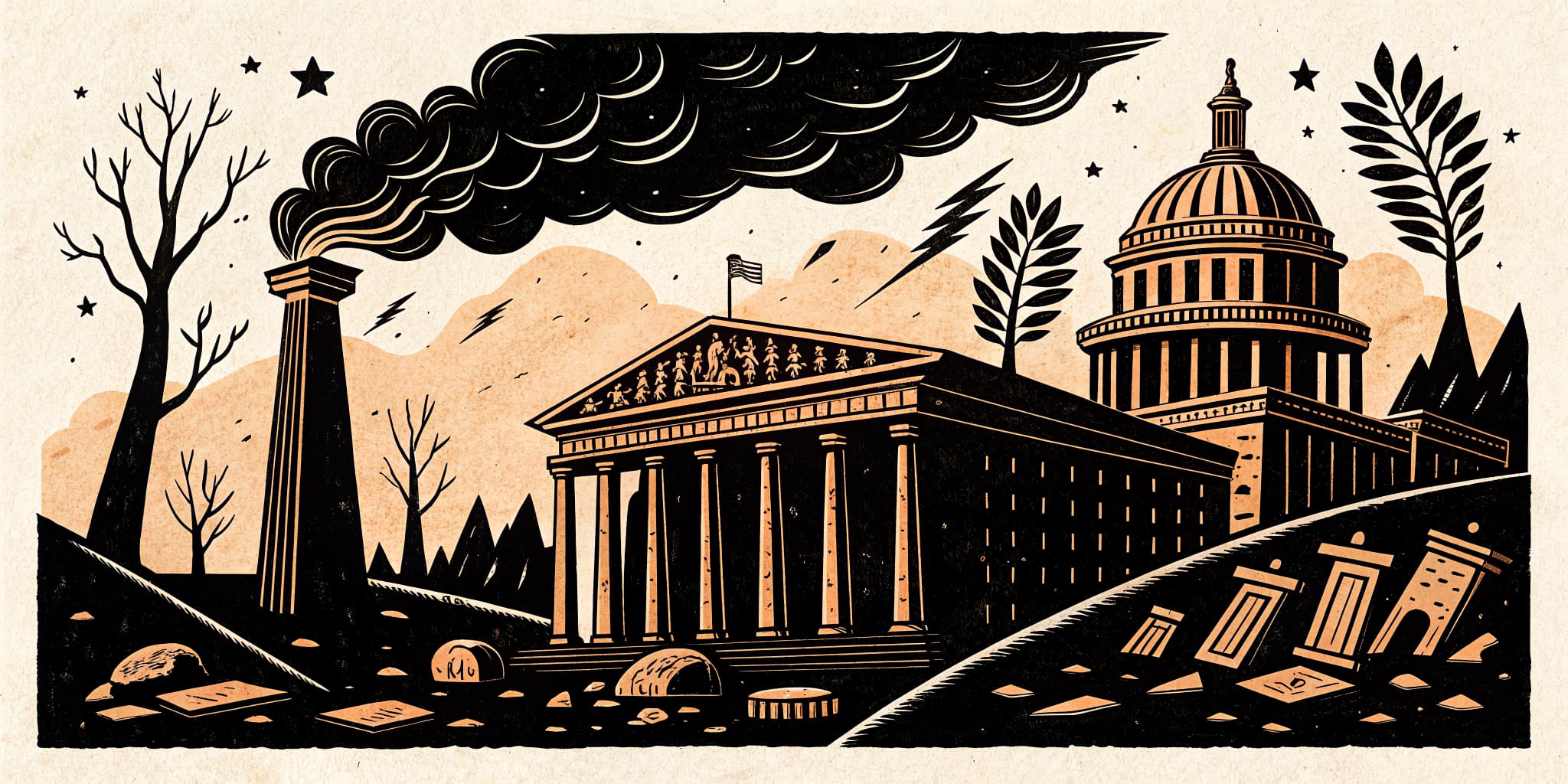
05The Inter-War Years and the Rise of Totalitarianism
Economic crisis and the collapse of democracy in Europe and Asia.
Examine the social, cultural, and economic changes in Western societies after WWI, including consumerism and new freedoms.
Investigate the underlying economic weaknesses of the 1920s and the causes of the 1929 stock market crash.
Examine the worldwide spread of the Great Depression and its devastating economic and social consequences.
Focus on the specific economic and social challenges faced by Australia during the Depression and government responses.
Study the origins and characteristics of fascism, and Mussolini's rise to power in Italy.
Examine Stalin's rise after Lenin's death, the elimination of rivals, and the establishment of his totalitarian regime.
Study the forced industrialisation and agricultural collectivisation policies and their human cost.
Examine the political repression, show trials, and mass executions under Stalin's regime.
Investigate the political and economic instability of Germany's first democracy after WWI.
06World War II and the Holocaust
A global total war and the systemic genocide of European Jews.
Examine Germany's 'lightning war' tactics and the rapid conquest of Poland, France, and other Western European nations.
Study the aerial campaign over Britain, the role of radar, and the resilience of the British people.
Investigate Hitler's decision to invade the USSR, the initial German successes, and the brutal nature of the Eastern Front.
Study the Battle of Stalingrad as a critical turning point on the Eastern Front and in the entire war.
Examine Japan's attack on Pearl Harbor, its motivations, and the immediate expansion of the war into the Pacific.
Study the rapid Japanese advance through Southeast Asia, the fall of Singapore, and the direct threat to Australia.
Focus on Australia's crucial role in defending New Guinea and the Kokoda Track campaign.
Trace the escalation of Nazi persecution of Jews from early discrimination to the 'Final Solution'.
Study the Wannsee Conference, the development of extermination camps, and the systematic nature of the Holocaust.
07Post-War Reconstruction and the Cold War
The division of the world into two blocs and the struggle for global influence.
Examine the Allied conferences that shaped the post-war world, leading to the division of Germany and early Cold War tensions.
Investigate the fundamental ideological differences between the United States and the Soviet Union that fueled the Cold War.
Study Churchill's 'Iron Curtain' speech, George Kennan's Long Telegram, and the US policy of containment.
Examine the US commitment to supporting anti-communist governments and the economic aid program for European recovery.
Study the first major Cold War crisis, the Soviet blockade of West Berlin, and the Western response.
Investigate the creation of opposing military alliances and the militarisation of the Cold War.
Examine the founding principles, structure, and key organs of the United Nations as a new international body.
Study the origins of the Korean War, the invasion of South Korea, and the UN intervention.
Examine China's intervention, the shifting front lines, and the eventual armistice.
08Decolonisation and New Nations
The end of empires and the emergence of new independent states in Asia and Africa.
Examine the factors that led to the collapse of European empires after WWII, including nationalist movements and superpower influence.
Study Mahatma Gandhi's philosophy of Satyagraha and its role in India's struggle for independence.
Examine the division of British India into India and Pakistan in 1947 and the resulting violence and displacement.
Study the French struggle to retain Indochina, the Battle of Dien Bien Phu, and the division of Vietnam.
Examine the escalation of US involvement in Vietnam, the domino theory, and early military strategies.
Study the institutionalisation of racial segregation in South Africa and the mechanisms of its enforcement.
Examine the anti-Apartheid movement, the role of the African National Congress (ANC), and Nelson Mandela's leadership.
Study the historical context for the creation of Israel, the 1948 war, and the displacement of Palestinians.
Examine the struggle for racial equality in the United States, key figures, and landmark events.