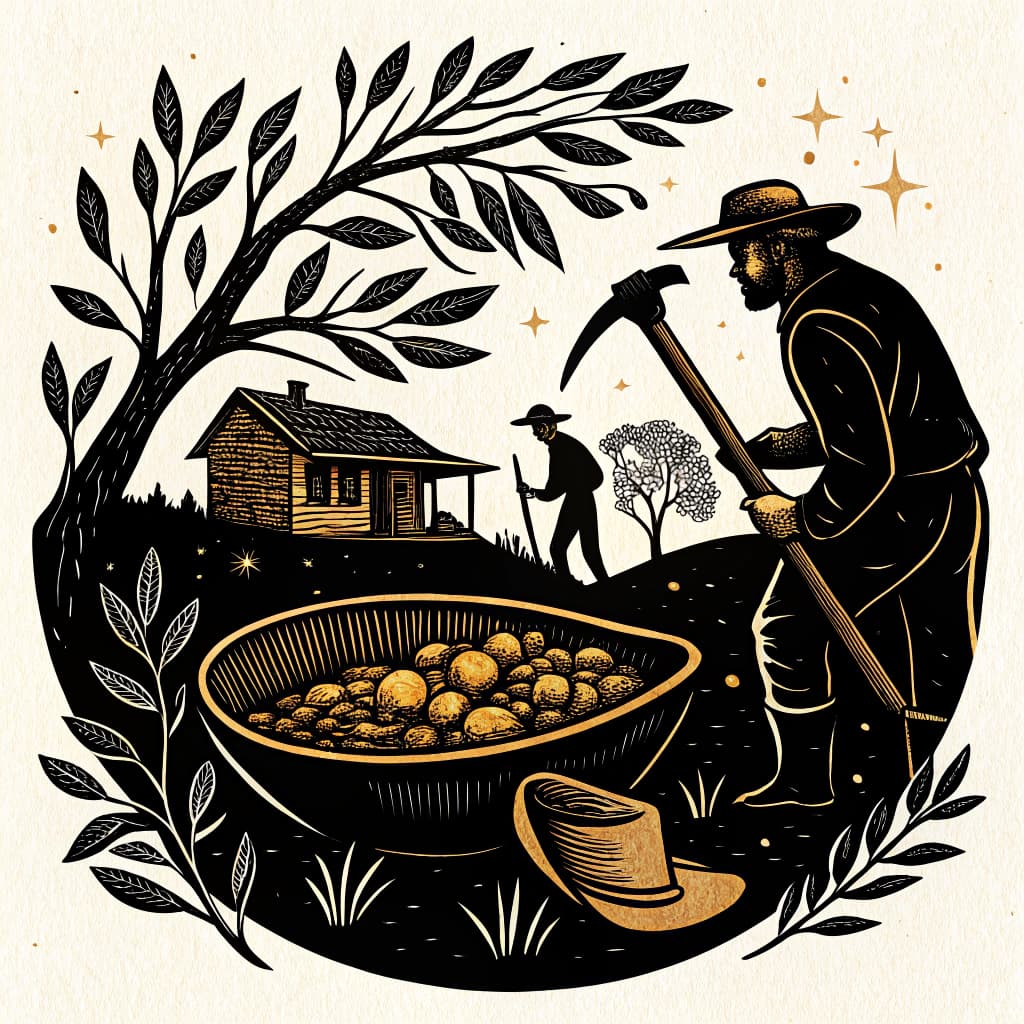
Squatters, Selectors, and Rural Life
Examine the lives of squatters and selectors, and the challenges of establishing farms in the Australian bush.
TL;DR:Active learning works for this topic because students must grasp the human realities behind land use policies. Debates, simulations, and writing tasks let students feel the stakes of decisions made 150 years ago, turning abstract laws and dates into lived experience.
About This Topic
Students explore the distinct roles of squatters and selectors in colonial Australia. Squatters controlled large pastoral runs for sheep grazing, often without legal title until closer settlement policies intervened. Selectors, enabled by acts like the Robertson Land Act of 1861, purchased smaller blocks from squatter holdings to farm crops and raise livestock. This topic highlights daily rural life, from building slab huts to managing droughts and isolation.
Key challenges included poor soil, floods, pests, and lack of transport, which tested selectors' resilience while squatters faced tenure insecurity. Students analyze how land policies reshaped rural communities, fostering inequality and conflict. This connects to broader HASS themes of colonial expansion and governance, building skills in comparing perspectives and evaluating sources.
Active learning suits this topic well. Simulations of selector life or debates between squatters and selectors make abstract policies concrete. Students engage deeply when they map land divisions or recreate bush challenges, turning historical empathy into lasting understanding.
Key Questions
- Differentiate between the roles and experiences of squatters and selectors.
- Explain the challenges of land ownership and farming in the colonial bush.
- Analyze the impact of land policies on rural communities.
Learning Objectives
- Compare the primary motivations and legal rights of squatters and selectors in colonial Australia.
- Explain the geographical and environmental challenges faced by selectors establishing farms in the Australian bush.
- Analyze the impact of specific land acts, such as the Robertson Land Act, on the distribution of land and rural settlement patterns.
- Evaluate the fairness of land policies from the perspectives of both squatters and selectors.
Before You Start
Why: Students need a basic understanding of the arrival of Europeans and the initial establishment of settlements to contextualize the later land policies.
Why: Understanding the impact of colonisation on Aboriginal and Torres Strait Islander peoples provides crucial context for the subsequent land use and policies affecting all inhabitants.
Key Vocabulary
| Squatter | A person who occupied and used large areas of Crown land for sheep grazing, often before formal land grants or leases were available. |
| Selector | A person who selected and purchased smaller portions of land, often from larger runs, under government land acts to farm or graze livestock. |
| Pastoral Run | A large area of land, typically unfenced, used for grazing sheep or cattle, often held by squatters. |
| Land Grant | An official document granting ownership or use of land, often given by the government during the colonial period. |
| Closer Settlement | Government policies aimed at breaking up large pastoral estates into smaller farms for closer agricultural settlement. |
Watch Out for These Misconceptions
Common MisconceptionSquatters were always lawless thieves stealing land.
What to Teach Instead
Squatters initially occupied Crown land without license but gained partial legal rights through occupation licenses. Active role-plays help students see squatters' economic contributions alongside tensions, building nuanced views through debate.
Common MisconceptionSelectors quickly succeeded in establishing prosperous farms.
What to Teach Instead
Most selectors battled debt, crop failure, and harsh conditions, with many abandoning blocks. Station activities simulating challenges reveal these realities, as students test 'easy success' assumptions against evidence.
Common MisconceptionThe Australian bush was empty before squatters and selectors arrived.
What to Teach Instead
Indigenous peoples managed the land for millennia. Mapping exercises incorporating Aboriginal perspectives correct this by layering pre-colonial land use, fostering respectful historical analysis.
Active Learning Ideas
See all activities→Role Play
Role-Play Debate: Squatters vs Selectors
Divide class into two groups: squatters defending large holdings, selectors arguing for access. Provide role cards with arguments based on primary sources. Groups prepare 3-minute speeches, then debate with teacher as moderator, voting on strongest case.
Role Play
Bush Challenge Stations
Set up stations for farming hurdles: drought (measure water rationing), pests (sort damaged crops), isolation (build a slab hut model from recyclables), and transport (design bullock track paths). Groups rotate, journaling solutions.
Role Play
Land Policy Timeline
Students research key acts like 1861 Selection Act in pairs, plotting events on a class timeline. Add impacts with sticky notes from squatter and selector viewpoints. Discuss how policies changed rural life.
Real-World Connections
- Modern agricultural businesses in Australia still grapple with land tenure issues and the economics of farming vast areas, similar to historical challenges but with different technologies and regulations.
- The concept of land reform and equitable distribution of resources remains a significant issue in many countries today, influencing political debates and social justice movements.
- Rural communities across Australia continue to face challenges related to water scarcity, isolation, and access to services, echoing the experiences of early selectors.
Assessment Ideas
Pose the question: 'If you were a selector arriving in the 1860s, what would be your biggest fear and why?' Allow students to share their fears and justify them based on the challenges discussed. Follow up by asking: 'How might a squatter respond to these fears?'
Provide students with a short primary source quote from either a squatter or a selector. Ask them to identify which perspective the quote represents and provide one piece of evidence from the quote to support their answer.
On an index card, have students write two differences between squatters and selectors and one challenge that both groups might have faced in establishing rural life.
Frequently Asked Questions
How do you differentiate squatters and selectors for Year 5 students?
What were the main challenges of bush farming in colonial Australia?
How can active learning engage students in squatter and selector history?
How does this topic align with AC9HASS5K01?
More in Bushrangers and the Bush
Origins of Bushranging
Explore the social and economic conditions that led to the emergence of bushrangers in colonial Australia.
8 methodologies
Famous Bushrangers: Beyond Ned Kelly
Investigate the stories of bushrangers such as Ben Hall, Captain Thunderbolt, and Frank Gardiner, and their impact.
8 methodologies
The Life and Times of Ned Kelly
Examine the early life, family background, and formative experiences of Ned Kelly.
8 methodologies
The Kelly Gang and the Siege of Glenrowan
Investigate the crimes of the Kelly Gang, the events leading to Glenrowan, and Ned Kelly's final stand.
8 methodologies
Ned Kelly's Legacy and Mythology
Explore the enduring debate about Ned Kelly's status as a hero or villain in Australian culture.
8 methodologies
Adapting to the Australian Landscape
Investigate how early settlers adapted their lives and practices to the unique Australian environment.
8 methodologies