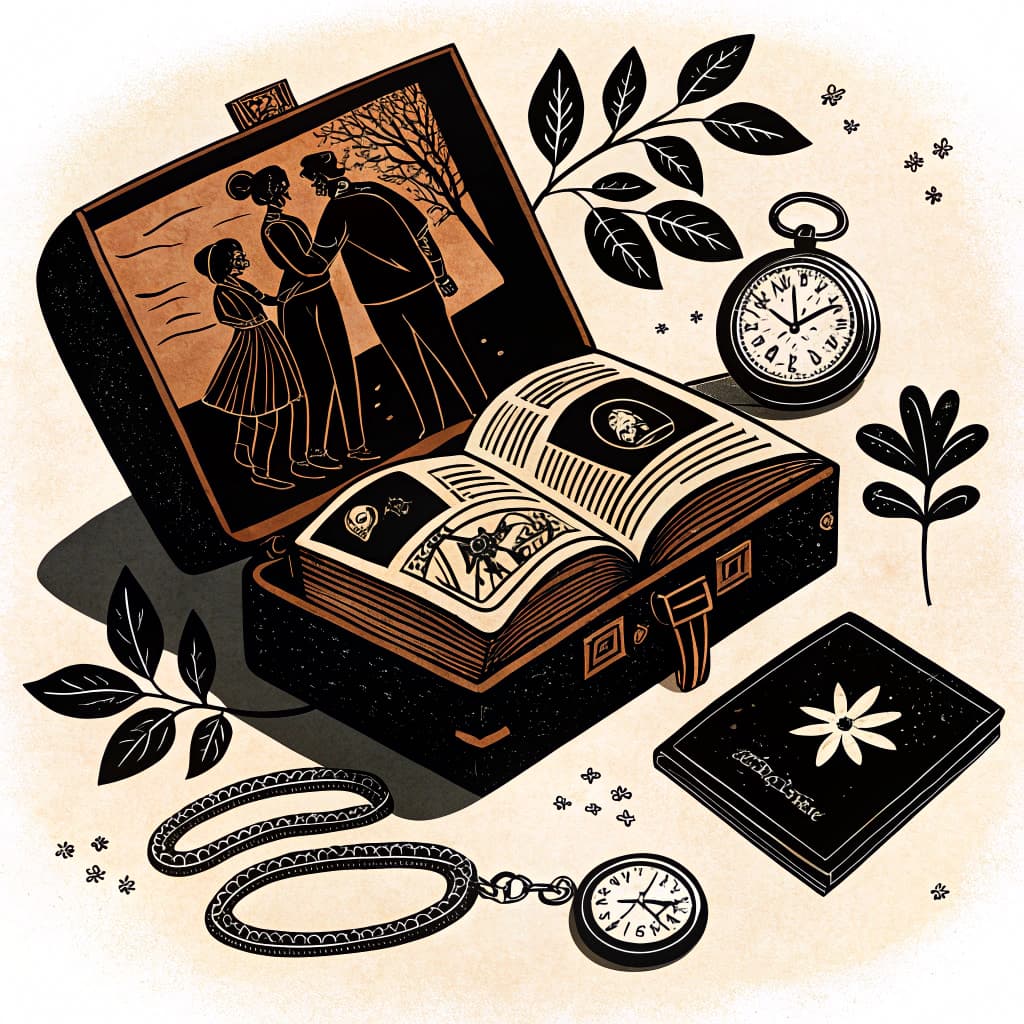
Understanding Cultural Heritage
Students explore the concept of cultural heritage through family examples, including language, music, and art.
TL;DR:Active learning helps students connect abstract concepts like cultural heritage to their own lives through tangible, personal experiences. By handling family objects, telling stories, and creating artifacts, students move from passive listening to active meaning-making, which builds deeper understanding and respect for diversity.
About This Topic
Cultural heritage encompasses the traditions, stories, languages, music, art, foods, and celebrations passed down through families, forming personal and community identities. In Year 1 HASS under the Australian Curriculum (AC9HASS1K01), students explore this through their own family examples. They reflect on key questions like special family traditions, how customs are shared with children, and why remembering origins matters. This personal lens introduces diversity in Australia's multicultural society.
Students connect individual experiences to broader concepts by sharing family artifacts or stories, building skills in respectful listening and expression. Activities emphasize oral histories and creative representations, linking family heritage to community celebrations like NAIDOC Week or local festivals. This foundation supports later HASS units on community roles and histories.
Active learning benefits this topic because students actively share real family items, perform songs, or draw traditions in collaborative settings. These experiences make heritage concrete, foster empathy through peer interactions, and encourage pride in diverse backgrounds while creating inclusive classroom discussions.
Key Questions
- What traditions, foods, or celebrations does your family have that are special to you?
- How do families share their traditions and customs with their children?
- Why is it important to remember and celebrate where our families come from?
Learning Objectives
- Identify specific family traditions, foods, or celebrations that are important to them.
- Explain how family members share customs and traditions with younger generations.
- Describe why remembering and celebrating family origins is significant.
- Create a visual representation of a family tradition or custom.
Before You Start
Why: Students need to be able to identify basic family members to discuss family traditions.
Why: Students require the ability to speak and listen to share and learn about family traditions.
Key Vocabulary
| Cultural Heritage | The traditions, customs, beliefs, and achievements of a particular family or group that are passed down from one generation to the next. |
| Tradition | A belief, custom, or way of doing something that has been passed down through generations in a family or community. |
| Custom | A specific practice or habit that is part of the regular way of life of a family or group. |
| Ancestor | A person from whom one is descended, such as a grandparent or great-grandparent. |
Watch Out for These Misconceptions
Common MisconceptionAll families share the same cultural heritage.
What to Teach Instead
Families come from diverse backgrounds with unique traditions. Sharing sessions reveal variations, like different celebration foods, helping students appreciate multiculturalism. Active peer discussions correct assumptions through real examples.
Common MisconceptionCultural heritage is only about old, unchanging customs.
What to Teach Instead
Heritage evolves as families adapt traditions. Students see this in modern family stories or hybrid foods. Hands-on artifact shares highlight living changes, building nuanced understanding.
Common MisconceptionCultural heritage does not matter in Australia today.
What to Teach Instead
Heritage shapes identity and community events. Class celebrations demonstrate relevance. Collaborative activities connect personal stories to national diversity, reinforcing importance.
Active Learning Ideas
See all activities→Gallery Walk
Family Treasures
Students bring a family photo, recipe card, or small artifact representing heritage. Display items around the room, then walk in small groups to observe and ask owners one question each. Conclude with a whole-class share of favorites.
Stations Rotation
Story Circle: Tradition Tales
Form a circle where each student shares one family tradition using a talking stick. Record key words on chart paper. Follow with pairs drawing their tradition.
Stations Rotation
Music Makers: Heritage Songs
Teach simple family songs or rhythms from various cultures using percussion. Pairs practice and perform for the class. Discuss how music carries heritage.
Real-World Connections
- Museum curators, like those at the National Museum of Australia, collect and preserve artifacts that represent the cultural heritage of various communities, making them accessible for public learning and appreciation.
- Local community centres often host cultural festivals, such as Lunar New Year celebrations or Harmony Day events, where families share traditional foods, music, and dances with the wider community.
- Genealogists help individuals research their family history, tracing their ancestors and understanding the stories and migrations that shape their heritage.
Assessment Ideas
Provide students with a small card. Ask them to draw one thing their family does that is a tradition or custom and write one sentence explaining why it is special to them.
Ask students: 'Tell us about one way your family shares a tradition. Who shares it, and who learns it?' Encourage them to use examples of specific actions or words used in their families.
During a class sharing session, observe students' participation. Note which students can clearly identify and describe a family tradition or custom, and which students may need additional prompting or support.
Frequently Asked Questions
How to teach cultural heritage in Year 1 HASS Australia?
What activities engage Year 1 students in family traditions?
How can active learning help teach cultural heritage?
Addressing misconceptions in cultural heritage lessons?
More in Family History and Traditions
Constructing Family Trees
Students create simple family trees, identifying immediate and extended family members and their relationships.
8 methodologies
Sharing Family Stories
Students share and listen to stories about their family's past, focusing on significant events or memories.
8 methodologies
Exploring Family Traditions
Students identify and describe various family traditions, including celebrations, customs, and daily routines.
8 methodologies
Origins of Family Migration
Students investigate where their families originated and the reasons for their journeys to Australia or other locations.
8 methodologies
Commemorating Special Events
Students learn about how families and communities commemorate important events through holidays, anniversaries, and memorials.
8 methodologies
Understanding Personal Timelines
Students create simple personal timelines, marking significant events in their own lives from birth to the present.
8 methodologies