The depth work we have been rolling out across missions now reaches your youngest classes. The deeper lesson structure, the analysis-driven worksheets, and the transfer-style exit tickets suit older students better than younger ones: a dossier-and-defend-your-position task does not belong in a class of six-year-olds. Missions for younger learners now keep the depth and change the shape to suit the age. And alongside that, you can now build one mission that covers several topics at once.
Methodologies that fit younger and more active classes
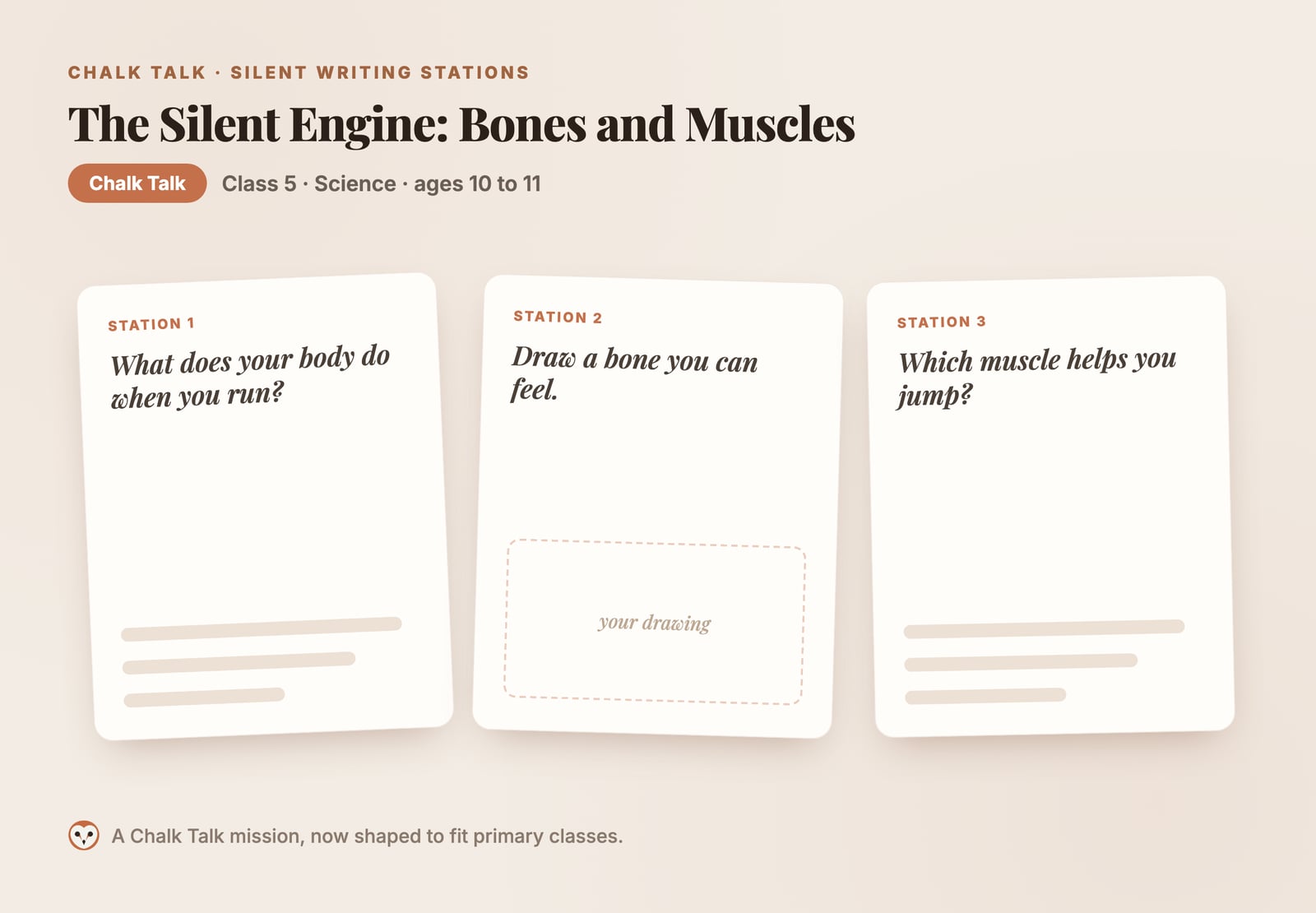
A few methodologies that suit younger and more active classrooms now generate to fit the age:
- Chalk Talk now works for primary classes (ages 6 to 11), not only secondary. The silent-writing structure flexes for younger students who are still building writing stamina.
- Missions for the very youngest (age 3 and under) centre on a single hands-on task instead of juggling several materials at once, in Hundred Languages and Practical Life.
- Plan-Do-Review missions open with a clearer teacher setup, so the youngest children know what to plan before they start.
- Reading load on upper-primary missions is matched to younger readers.
- Printable materials for pre-primary and Classes 1 to 2 are sized for that age. no secondary-style debate briefs or mock-trial packs landing in a primary class.
Build one lesson across several topics
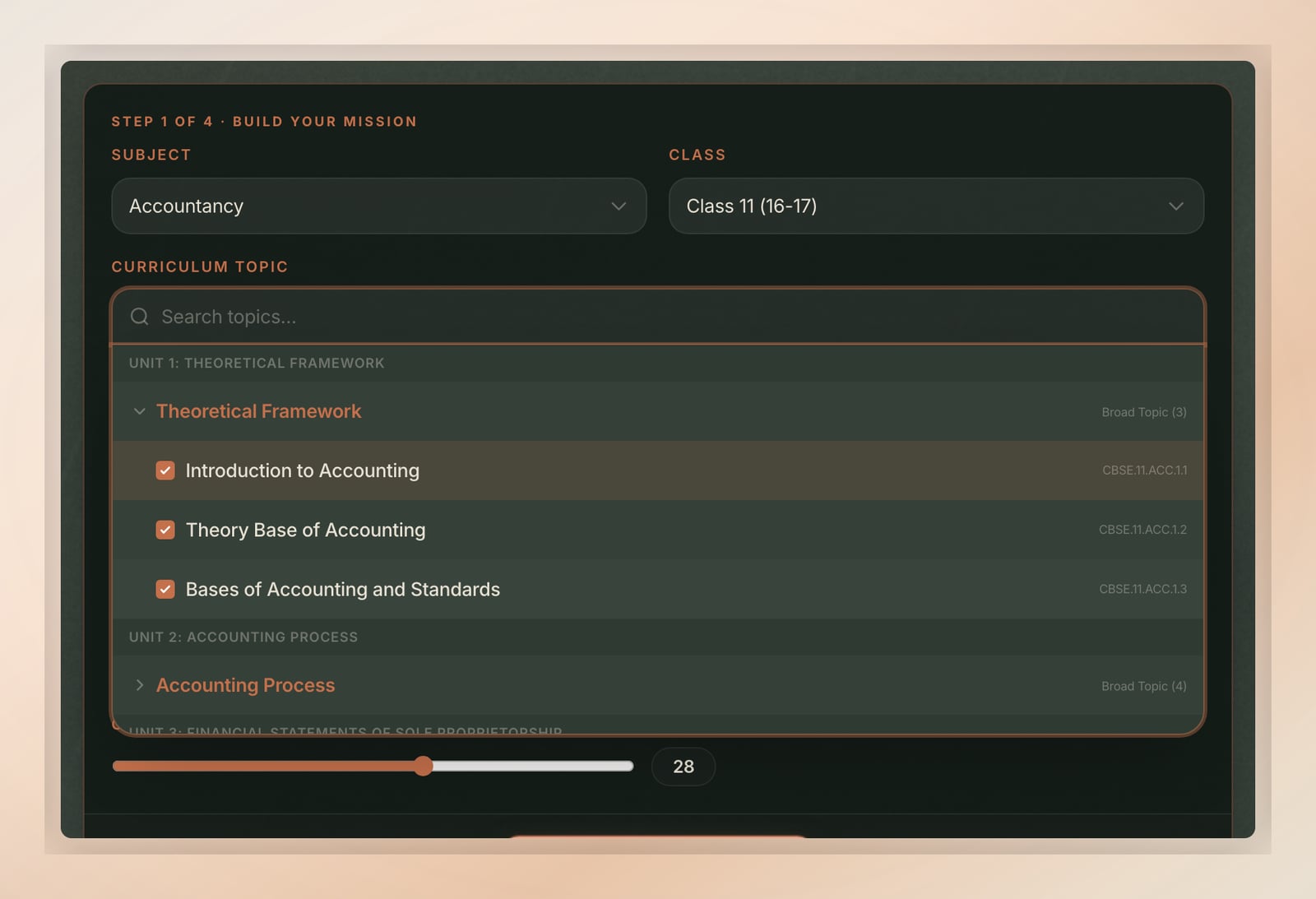
Some lessons naturally cover more than one topic at a time. A grammar lesson might bring together two related skills; a science lesson might connect a couple of linked ideas. That used to mean generating two separate missions and stitching them together yourself.
Now you can select several subtopics at once, up to five, and Flip Education builds a single mission that covers them together: one flow, one set of materials, one timing plan.
Methodology suggestions while you plan
When you pick a curriculum topic to build from, Flip Education now suggests teaching methodologies that fit it, so the approach is one fewer decision to make from a blank page.
Also worth knowing
Adriana, our co-founder, wrote for Edufuturists on why AI should make learning messier, not easier: students learn most when AI helps them reason, critique, and make judgement calls, not when it hands them answers. Read it on Edufuturists.
What teachers run into
The changes here come from what teachers tell us and what we see in the missions Flip Education generates. Tell Flo or write to us if anything lands differently in your classroom than it should. What you run into is what we work on next.