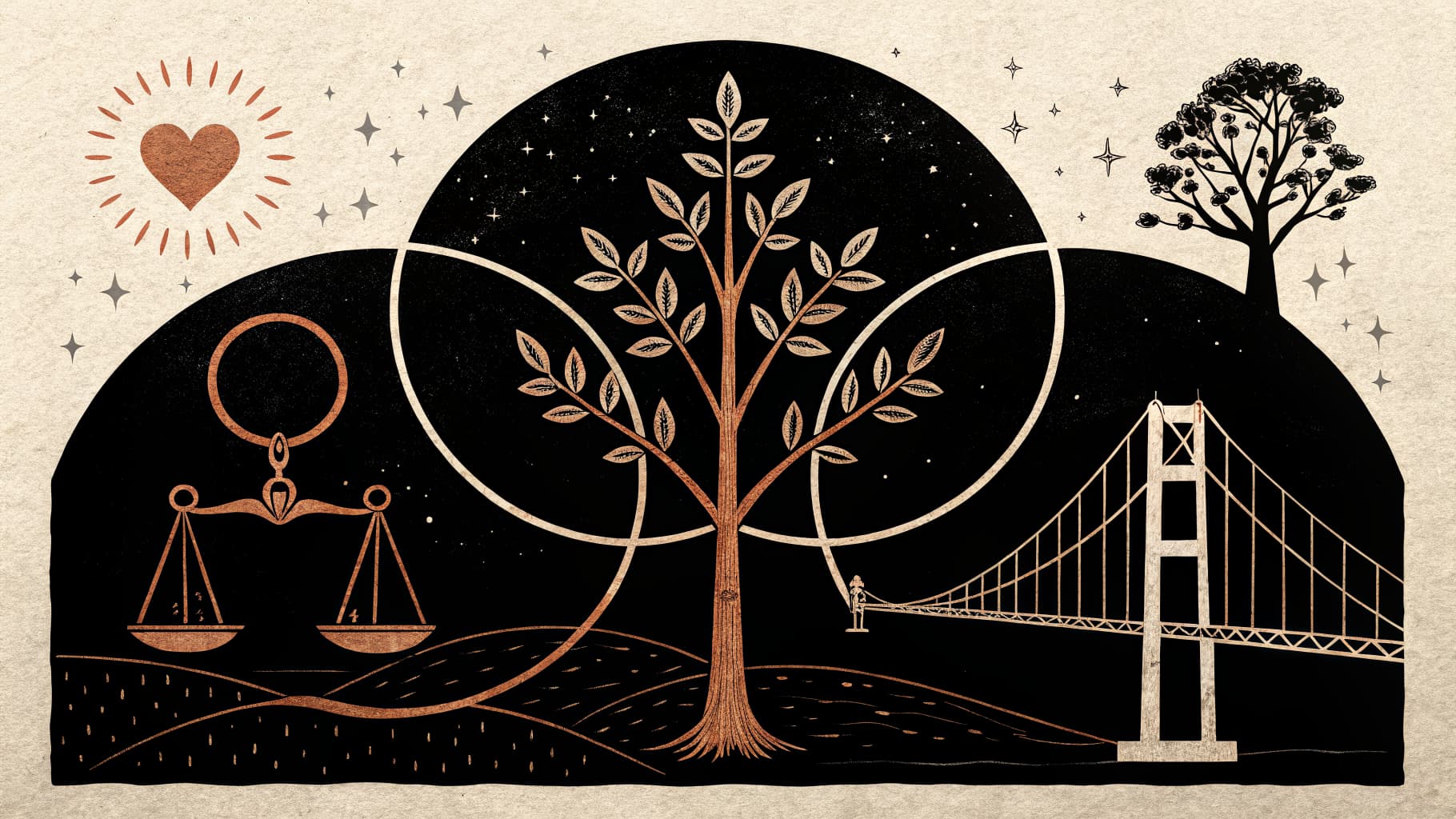
The Three Branches of Power: An Overview
Understanding how the Organ of State functions to prevent the concentration of power.
TL;DR:Active learning works because power separation is abstract until students experience it through role-play, debate, and sorting tasks. Hands-on activities let students feel the tension of checks and balances rather than memorize definitions in a textbook.
About This Topic
The three branches of power provide Primary 5 students with a clear view of Singapore's government structure. Authority divides among the Executive branch, which carries out laws through the President and Cabinet; the Legislative branch, Parliament, which creates laws via elected Members of Parliament; and the Judicial branch, courts, which interpret laws and ensure justice. Students examine how this separation prevents power concentration, protecting citizens' rights and promoting fair governance.
This content supports MOE CCE standards in Governance and Society and National Heritage and Identity for P5. Key questions guide analysis of branch functions, checks and balances, such as Parliament's budget oversight or judicial reviews, and the rationale for division. Lessons build civic awareness, helping students appreciate Singapore's stable system and their role in it.
Active learning suits this topic well. Role-plays and simulations let students experience branch interactions firsthand, turning abstract ideas into concrete actions. Collaborative tasks reveal how branches collaborate and check each other, deepening understanding and encouraging critical thinking about real-world decisions.
Key Questions
- Analyze how the separation of powers protects the interests of citizens.
- Differentiate the primary functions of the Executive, Legislative, and Judicial branches.
- Explain the rationale behind dividing governmental authority into distinct branches.
Learning Objectives
- Differentiate the primary functions of the Executive, Legislative, and Judicial branches of the Singapore government.
- Analyze how the separation of powers among the three branches protects citizens' interests.
- Explain the rationale behind dividing governmental authority into distinct branches in Singapore.
- Identify specific checks and balances between the Executive, Legislative, and Judicial branches in Singapore.
Before You Start
Why: Students need a basic understanding of the existence of a government and its role in society before learning about its specific branches.
Why: Understanding what rules and laws are, and why they are necessary for an orderly society, provides a foundation for understanding how different branches create and enforce them.
Key Vocabulary
| Executive Branch | The branch responsible for implementing and enforcing laws. In Singapore, this includes the President and the Cabinet. |
| Legislative Branch | The branch responsible for making laws. In Singapore, this is Parliament, composed of elected Members of Parliament. |
| Judicial Branch | The branch responsible for interpreting laws and administering justice. In Singapore, this consists of the Supreme Court and the State Courts. |
| Separation of Powers | A system where governmental authority is divided among different branches to prevent any single branch from becoming too powerful. |
| Checks and Balances | Mechanisms that allow each branch of government to limit the powers of the other branches, ensuring no single branch dominates. |
Watch Out for These Misconceptions
Common MisconceptionThe Executive branch holds all power because the Prime Minister leads.
What to Teach Instead
In reality, Parliament approves key decisions like budgets, and courts can review actions. Role-plays help students act out these checks, revealing balances through direct participation and discussion.
Common MisconceptionBranches operate completely separately without interaction.
What to Teach Instead
Checks and balances require cooperation, like judicial review of laws. Simulations where groups negotiate across branches clarify interdependence, as students negotiate and resolve conflicts collaboratively.
Common MisconceptionSingapore lacks true separation of powers like other countries.
What to Teach Instead
Singapore's system adapts separation with strong coordination for efficiency. Card sorts and debates let students compare functions locally, building accurate models through evidence-based group work.
Active Learning Ideas
See all activities→Concept Mapping
Role-Play Simulation: Branch Showdown
Assign roles: Executive (PM team), Legislative (MPs), Judicial (judges). Present a scenario like a new park law. Groups propose, debate, and rule on it, rotating roles after each round. Debrief on checks and balances.
Concept Mapping
Card Sort: Function Matching
Prepare cards with branch names and functions like 'passes Budget' or 'interprets Constitution'. In pairs, students sort and justify matches, then share with class. Extend by creating their own examples.
Jigsaw
Checks and Balances
Divide class into expert groups on one branch's checks. Experts teach home groups, who reconstruct a full diagram of interactions. Groups present to verify accuracy.
Real-World Connections
- When Parliament debates and passes a new law, like regulations for recycling, students see the Legislative branch in action. This law then goes to the Executive branch for implementation, perhaps through the National Environment Agency.
- A court case where a citizen disputes a traffic fine demonstrates the Judicial branch's role in interpreting laws and ensuring fairness. The outcome might lead to a review of existing traffic regulations by the Executive or Legislative branches.
- The President's role in safeguarding Singapore's reserves exemplifies a check on the Executive branch, ensuring fiscal responsibility and long-term national security, a function overseen by the Legislative branch.
Assessment Ideas
Provide students with a scenario, such as 'A new policy is proposed to increase public transport fares.' Ask them to identify which branch would propose the policy, which would debate and approve it, and which would handle any legal challenges. Record their answers to gauge understanding of branch functions.
Pose the question: 'Imagine one branch of government had all the power. What are two ways citizens' lives could be negatively affected?' Facilitate a class discussion, guiding students to connect the risks of concentrated power to the benefits of separation of powers and checks and balances.
On a small piece of paper, ask students to write down one specific example of a check or balance they learned about. For instance, 'Parliament questions ministers' or 'Courts can review laws.' Collect these to assess comprehension of inter-branch oversight.
Frequently Asked Questions
How do I explain the three branches of power to Primary 5 students?
What are the main functions of each government branch in Singapore?
How can active learning help teach separation of powers?
How to address differentiation in three branches lessons?
More in Foundations of Governance
Introduction to Governance: Why Rules Matter
Students will explore the fundamental need for rules and governance in any society, from school to nation.
8 methodologies
The Executive Branch: Leading the Nation
Investigating the roles and responsibilities of the Prime Minister and Cabinet in governing Singapore.
8 methodologies
The Legislative Branch: Making Laws
Exploring the structure and function of Parliament, including the role of Members of Parliament (MPs).
8 methodologies
The Judicial Branch: Upholding Justice
Understanding the role of the courts and judges in interpreting laws and ensuring justice.
8 methodologies
The Constitution as the Supreme Law
Examining the document that provides the framework for all other laws in Singapore.
8 methodologies
The Role of the President: Custodian of the Nation
Investigating the custodial role of the Elected President in safeguarding national reserves and integrity.
8 methodologies