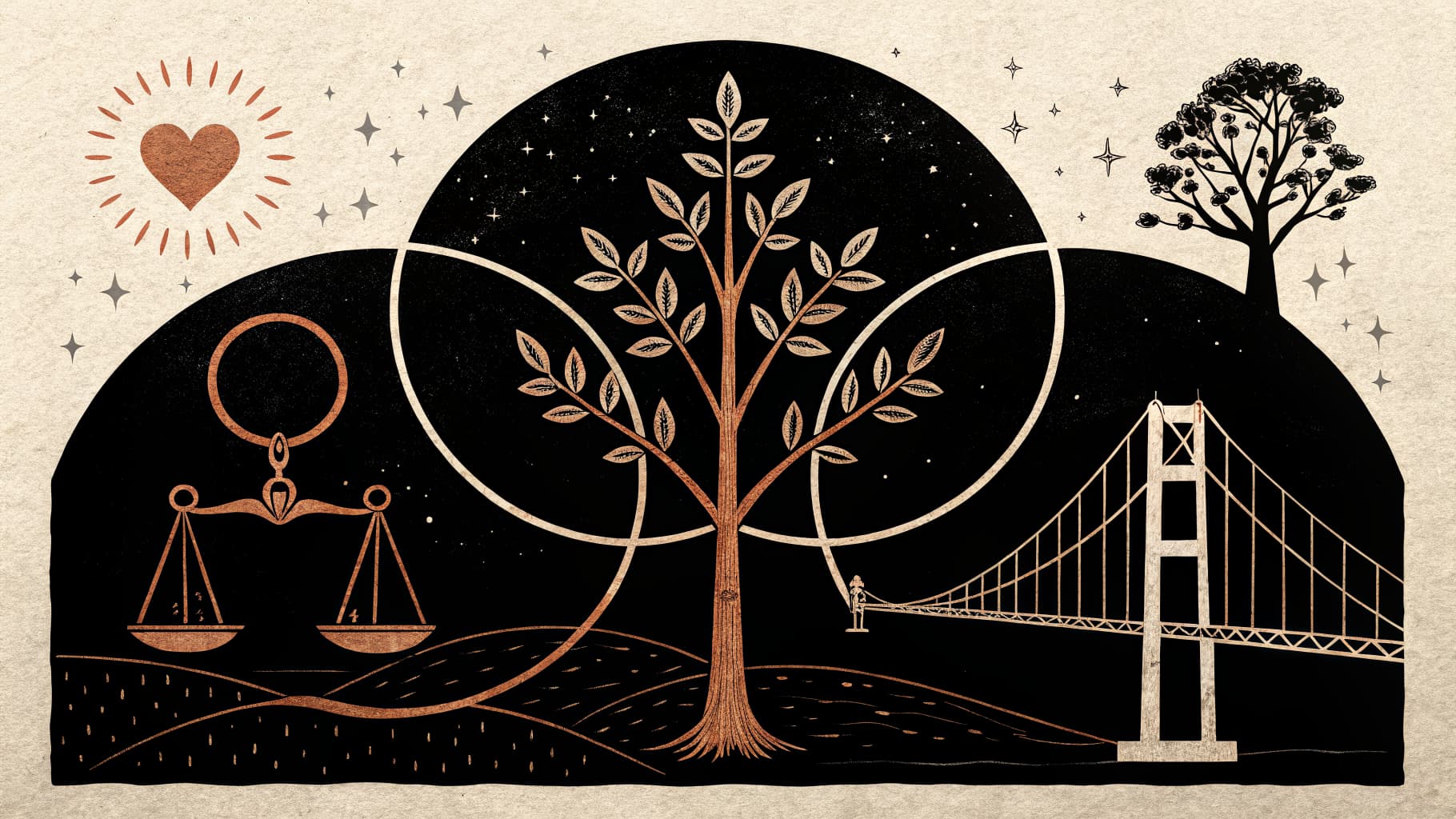
The Rule of Law: Foundation of Justice
Defining the principle that all people and institutions are subject to and accountable to law.
TL;DR:Active learning works well for this topic because Primary 5 students grasp abstract ideas better when they see them in action. Role-playing, discussions, and investigations make the Rule of Law tangible, helping students connect fairness and justice to their own experiences in school and society.
About This Topic
The Rule of Law is the principle that every person, regardless of their status or power, is subject to the law. For Primary 5 students, this is a foundational concept in justice and ethics. It ensures that Singapore remains a fair and predictable society where rules are applied consistently to everyone, from the common citizen to the highest official.
This topic helps students understand that the law is a shield that protects the weak and a standard that holds the powerful accountable. It connects to the MOE syllabus on values and governance by emphasizing fairness, integrity, and the importance of a stable legal framework. This topic comes alive when students can explore 'what if' scenarios where the rule of law is absent, helping them appreciate the security it provides. Students grasp this concept faster through structured discussion and peer explanation.
Key Questions
- Analyze why the law must apply equally to the powerful and the common citizen.
- Evaluate what a just society would look like without the rule of law.
- Explain how the law provides a sense of security for all, including minorities.
Learning Objectives
- Analyze why legal frameworks must apply equally to all individuals, regardless of their social standing or power.
- Evaluate the potential consequences for a society that operates without the principle of the rule of law.
- Explain how the consistent application of laws contributes to a sense of security for all citizens, including minority groups.
- Identify specific examples where the rule of law protects individual rights against potential abuses of power.
Before You Start
Why: Students need a basic understanding of rules in different contexts (home, school) and why they are necessary for order and safety.
Why: Prior exposure to concepts of fairness and what it means to be treated justly provides a foundation for understanding the rule of law.
Key Vocabulary
| Rule of Law | The principle that all people and institutions are subject to and accountable to law that is fairly applied and enforced. |
| Accountability | The obligation of an individual or organization to accept responsibility for their actions and decisions. |
| Equality Before the Law | The principle that all individuals are treated the same by the legal system, without discrimination or special treatment. |
| Justice | The administration of the law in a fair and equitable manner, ensuring that rights are upheld and wrongs are righted. |
| Due Process | Fair treatment through the normal judicial system, especially as a citizen's entitlement. This includes the right to a fair trial and legal representation. |
Watch Out for These Misconceptions
Common MisconceptionThe Rule of Law just means 'following the rules.'
What to Teach Instead
It also means the rules themselves must be fair, clear, and apply to everyone equally, including those who make them. Use 'referee' analogies in class to show that the Rule of Law is about the system's fairness, not just obedience.
Common MisconceptionPowerful people can get away with breaking the law.
What to Teach Instead
In a system with the Rule of Law, no one is above the law. Active investigations into real-world examples (where appropriate) can show students that even high-ranking officials are held accountable by the courts.
Active Learning Ideas
See all activities→Think-Pair-Share
A World Without Rules
Ask students to imagine a game where the referee can change the rules whenever they want to help their favorite team. Students think about how that would feel, share with a partner, and then discuss how the 'Rule of Law' prevents this in real life.
Inquiry Circle
Equality Before the Law
Provide groups with short stories of different people (a famous person, a student, a worker) who all committed the same minor offense. Students must determine what should happen to each, reinforcing the idea that the law applies equally to all.
Gallery Walk
The Pillars of Justice
Set up stations with images and quotes about fairness, transparency, and accountability. Students move through the stations and write down one way each 'pillar' makes them feel safe in Singapore. They share their reflections in a final circle.
Real-World Connections
- In Singapore, the Corrupt Practices Investigation Bureau (CPIB) investigates and prosecutes corruption cases, demonstrating the principle that no one is above the law, regardless of their position.
- The Supreme Court of Singapore upholds the rule of law by reviewing cases to ensure laws are applied fairly and constitutional rights are protected for all citizens.
- Consider a scenario where a wealthy business owner tries to bribe a police officer to avoid a traffic ticket. The rule of law dictates that both the driver and the officer are subject to the law, preventing special treatment and ensuring accountability.
Assessment Ideas
Pose the question: 'Imagine a country where the leader could change laws whenever they wanted, just for themselves. What problems might arise?' Guide students to discuss fairness, predictability, and security, connecting their ideas to the rule of law.
Ask students to write down one reason why it is important for laws to apply to everyone, even powerful people. Then, ask them to give one example of how the rule of law helps them feel safe in their daily lives.
Present students with two short scenarios: one where the rule of law is followed (e.g., a politician receives a fine for speeding) and one where it is not (e.g., a politician ignores a speed limit). Ask students to identify which scenario upholds the rule of law and explain why.
Frequently Asked Questions
Why is the Rule of Law important for a small country like Singapore?
How does the Rule of Law protect minorities?
What is the difference between 'Rule of Law' and 'Rule by Law'?
How can active learning help students understand the Rule of Law?
More in Justice and the Legal System
The Court System: Structure and Function
Exploring how judges interpret the law and the importance of an independent judiciary.
8 methodologies
Criminal Justice: Punishment and Prevention
Understanding the purpose of criminal law, different types of crimes, and their consequences.
8 methodologies
Civil Justice: Resolving Disputes
Exploring how civil law helps resolve disputes between individuals or organizations.
8 methodologies
Restorative vs Retributive Justice
Comparing different approaches to punishment and rehabilitation in the legal system.
8 methodologies
Ethics in the Legal Profession
Discussing the ethical responsibilities of lawyers, judges, and other legal professionals.
8 methodologies