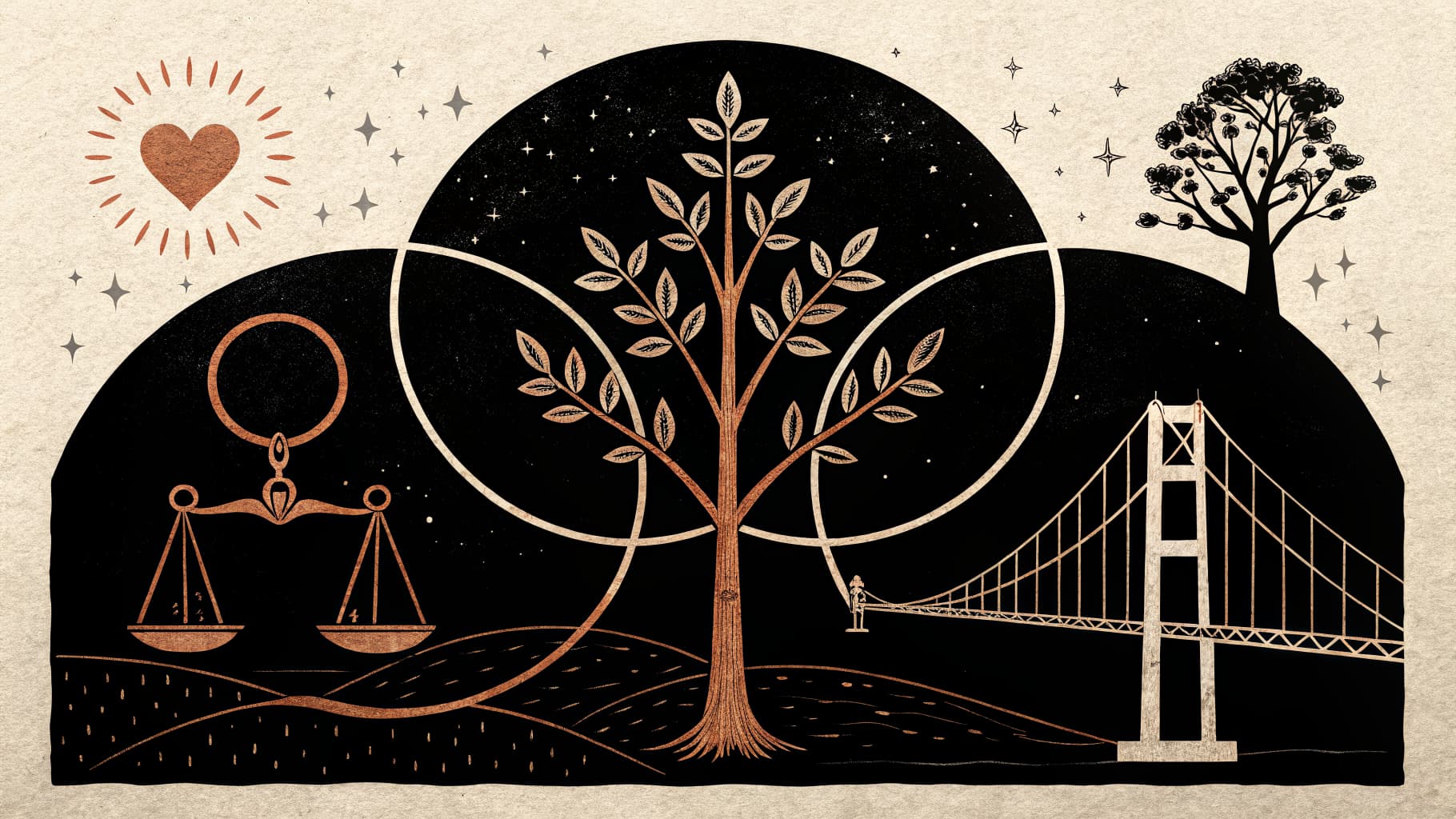
The Three Branches of Government
An overview of the Executive, Legislative, and Judiciary branches and how they balance power.
About This Topic
Singapore's government divides power into three branches to ensure no single group dominates: the Legislative Branch, made up of Parliament, creates laws; the Executive Branch, led by the Prime Minister and Cabinet, carries out laws and manages daily operations; and the Judiciary Branch, through independent courts, interprets laws and settles disputes fairly. Primary 4 students explore these roles to grasp how separation prevents abuse of power and protects citizens' rights, aligning with MOE's focus on governance foundations.
This topic addresses key questions like the rationale for distinct branches, the Judiciary's role in fair law application, and checks and balances that maintain equilibrium, such as Parliament approving budgets or courts reviewing executive actions. Students connect these ideas to everyday examples, like how laws on school rules mirror national processes, fostering civic awareness.
Active learning suits this topic well. Role-plays and simulations let students experience branch interactions firsthand, making abstract concepts concrete. Collaborative sorting activities reveal power dynamics, while discussions build critical evaluation skills essential for citizenship.
Key Questions
- Explain the rationale behind separating governmental powers into distinct branches.
- Analyze how the Judiciary ensures the fair application of laws.
- Evaluate the importance of checks and balances in protecting citizen rights.
Learning Objectives
- Identify the primary function of each of the three branches of Singapore's government.
- Explain how the Legislative branch creates laws through parliamentary processes.
- Analyze the role of the Judiciary in interpreting laws and ensuring justice.
- Compare the powers and responsibilities of the Executive, Legislative, and Judiciary branches.
- Evaluate the importance of checks and balances in preventing the abuse of governmental power.
Before You Start
Why: Students need a basic understanding of Singapore as a nation and the concept of a structured society before learning about its governance.
Why: Familiarity with the concept of rules and laws in various contexts (school, home) helps students understand the purpose and function of national laws.
Key Vocabulary
| Legislative Branch | The branch of government responsible for making laws. In Singapore, this is Parliament. |
| Executive Branch | The branch of government responsible for implementing and enforcing laws. In Singapore, this includes the Prime Minister and the Cabinet. |
| Judiciary Branch | The branch of government responsible for interpreting laws and administering justice through the courts. In Singapore, this includes the Supreme Court and State Courts. |
| Checks and Balances | A system that allows each branch of government to limit the powers of the other branches, preventing any one branch from becoming too powerful. |
Watch Out for These Misconceptions
Common MisconceptionOne branch, like the Executive, controls everything.
What to Teach Instead
Branches share power through checks; for example, Parliament approves Executive budgets, and courts can overturn decisions. Role-plays help students act out interactions, revealing no single dominance and correcting top-down views.
Common MisconceptionThe branches work completely separately without overlap.
What to Teach Instead
They collaborate yet check each other for balance. Sorting activities let students map overlaps, like Executive proposing bills to Legislative, building accurate mental models via hands-on grouping.
Common MisconceptionJudiciary makes laws, not just interprets them.
What to Teach Instead
Judiciary applies and interprets existing laws fairly. Simulations where students judge mock cases clarify this distinction, as peer discussions highlight enforcement over creation.
Active Learning Ideas
See all activities→Simulation Game
Role-Play Simulation: Branch Showdown
Assign students to roles in Legislative, Executive, or Judiciary groups. Present a scenario like a new park rule; groups respond according to their branch, then rotate to see checks in action. Debrief with whole-class sharing of insights.
Simulation Game
Card Sort: Powers and Checks
Prepare cards listing powers and check examples. In pairs, students sort into branch categories and connect checks, like Judiciary reviewing Executive decisions. Pairs justify sorts on posters for class gallery walk.
Simulation Game
Flowchart Challenge: Law Journey
Students in small groups create flowcharts showing a bill's path from Legislative idea to Judicial review. Include checks at each step. Groups present and peer-review for accuracy.
Real-World Connections
- Students can observe parliamentary debates on television or read news reports about new laws being proposed or debated. This connects to the Legislative branch's function.
- When a person is involved in a legal dispute, the courts, part of the Judiciary, interpret the laws to reach a fair decision, demonstrating the Judiciary's role in justice.
- The Cabinet, part of the Executive branch, makes decisions about national policies, such as public health guidelines or infrastructure projects, showing how laws are put into action.
Assessment Ideas
Provide students with a list of governmental actions (e.g., 'proposing a new tax', 'sentencing a criminal', 'signing a treaty'). Ask them to classify each action under the correct branch: Executive, Legislative, or Judiciary.
Pose the question: 'Imagine Parliament passed a law that seemed unfair. How could the other branches of government help ensure citizens' rights are protected?' Guide students to discuss the roles of the Executive and Judiciary in this scenario.
Ask students to write down one specific example of a check or balance between two branches of government and explain in one sentence how it prevents power from being concentrated in one branch.
Frequently Asked Questions
How do the three branches work in Singapore?
What are checks and balances in Singapore government?
How can active learning teach the three branches?
Why separate powers into three branches?
More in Foundations of Governance
The Purpose of Rules and Laws
An investigation into why societies establish legal frameworks and the difference between rules and laws.
3 methodologies
Types of Rules: Formal vs. Informal
Differentiating between formal laws enforced by government and informal rules governing social interactions.
3 methodologies
Consequences of Breaking Rules and Laws
Examining the various consequences, from social disapproval to legal penalties, for violating established norms.
3 methodologies
Functions of the Executive Branch
Exploring the roles and responsibilities of the President and Cabinet in governing Singapore.
3 methodologies
Functions of the Legislative Branch (Parliament)
Understanding how laws are proposed, debated, and passed by Members of Parliament.
3 methodologies
Functions of the Judiciary Branch (Courts)
Investigating the role of courts in interpreting laws and ensuring justice.
3 methodologies