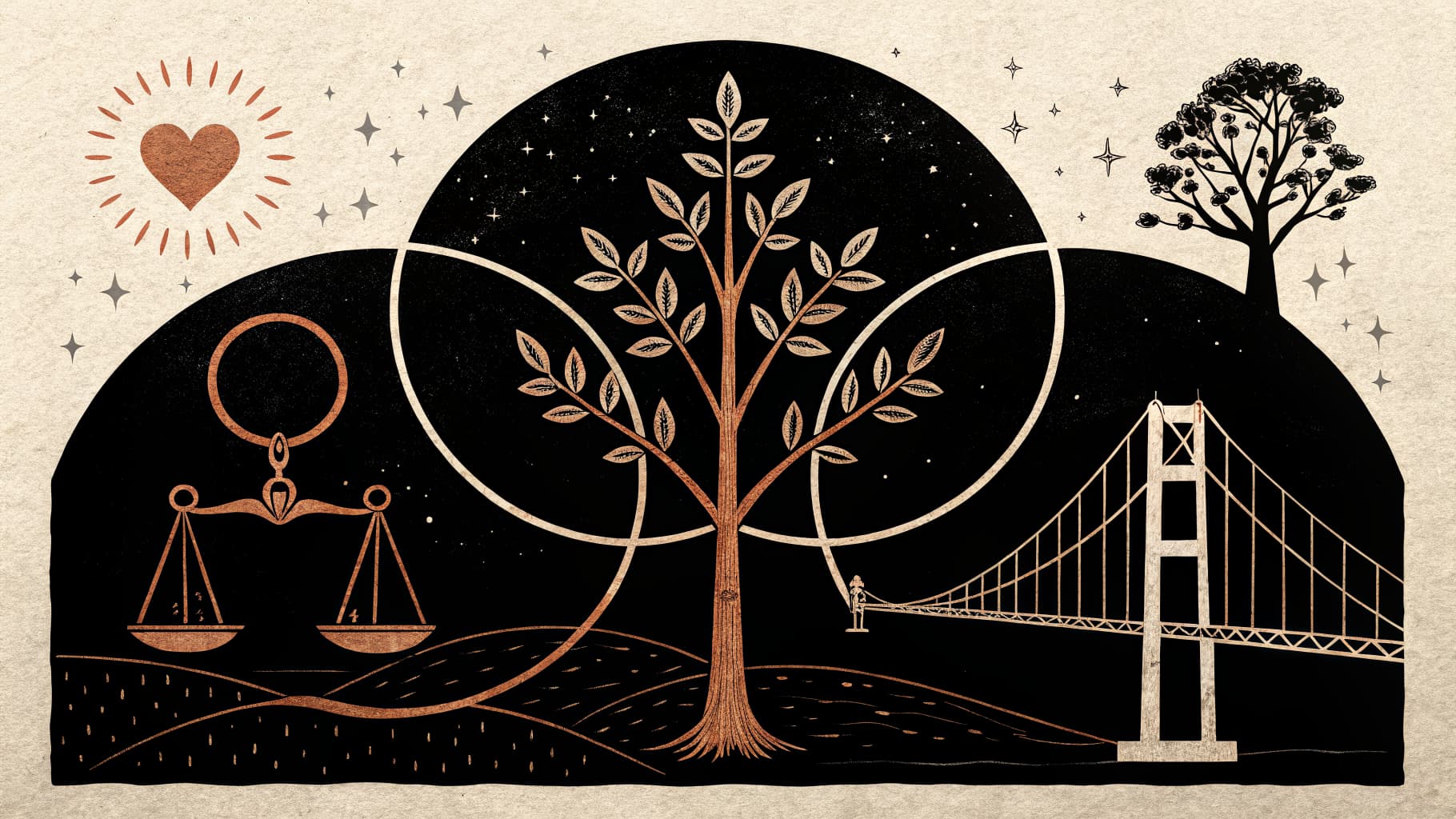
Strategies for Peaceful Conflict Resolution
Students practice peaceful ways to resolve conflicts when opinions differ, focusing on communication and compromise.
TL;DR:Active learning turns abstract ideas about peace into concrete skills students can practice right away. When children role-play disagreements or negotiate resources, they move from listening to doing, which helps them internalize strategies that feel natural and useful. These real-time experiences build confidence in handling conflicts without fear or confusion.
About This Topic
Strategies for Peaceful Conflict Resolution guide Primary 2 students to handle disagreements calmly through clear communication and fair compromise. In this unit on Decision Making in a Democracy, students identify common causes of conflict, such as differing opinions on games or group tasks, and practice strategies like negotiation and mediation. They learn to express feelings using 'I' statements, listen actively, and find solutions that work for everyone, aligning with MOE standards on Conflict Resolution and Harmony.
This topic connects social skills to democratic values, where compromise ensures group harmony and fair decisions. Students explore how mediation involves a neutral friend helping others talk it out, building empathy and respect. These skills support daily interactions in school and prepare students for collaborative citizenship.
Active learning shines here because role-plays and peer mediation simulations let students experience real emotions and test strategies safely. When they act out conflicts and debrief in small groups, they gain confidence applying skills, making abstract ideas concrete and memorable.
Key Questions
- Analyze common causes of disagreement and conflict.
- Evaluate various strategies for peaceful conflict resolution, such as negotiation and mediation.
- Explain the importance of compromise in achieving mutually agreeable solutions.
Learning Objectives
- Identify common causes of disagreements in group activities.
- Demonstrate active listening skills during a simulated conflict.
- Explain the steps involved in a simple negotiation process.
- Evaluate the fairness of a compromise solution reached through mediation.
- Create 'I' statements to express feelings during a disagreement.
Before You Start
Why: Students need to be able to identify and name their emotions before they can use 'I' statements effectively.
Why: Understanding the concept of sharing and waiting for one's turn provides a foundation for grasping the idea of compromise.
Key Vocabulary
| Conflict | A disagreement or argument between people when they have different opinions or wants. |
| Compromise | An agreement where each person gives up something they want to solve a problem. |
| Negotiation | Talking with someone to try and reach an agreement that works for both sides. |
| Mediation | When a neutral person helps two people in a disagreement talk and find a solution together. |
| I-statement | A way to express feelings by starting with 'I feel...' instead of blaming the other person. |
Watch Out for These Misconceptions
Common MisconceptionConflicts always have a winner and a loser.
What to Teach Instead
Peaceful resolution focuses on win-win outcomes through compromise. Role-plays help students see that fair solutions satisfy both sides, as they practice generating multiple options and choosing together.
Common MisconceptionYelling or ignoring fixes disagreements.
What to Teach Instead
Effective strategies emphasize calm talk and listening. Group games reveal that aggressive tactics escalate problems, while structured negotiations build trust and quicker resolutions.
Common MisconceptionCompromise means giving up what you want entirely.
What to Teach Instead
Compromise balances needs of all. Peer discussions in activities clarify that it involves trade-offs, helping students value others' views and create shared gains.
Active Learning Ideas
See all activities→Hot Seat
Role-Play Pairs: Playground Dispute
Pairs draw scenario cards like 'sharing a swing' and role-play using 'I feel' statements, active listening, and compromise. Switch roles after 5 minutes. Debrief by sharing what worked.
Hot Seat
Group Negotiation Game: Resource Share
Small groups get limited stickers to 'buy' shared items like crayons. They negotiate turns and trades, recording agreements on charts. Vote on fairest solutions.
Hot Seat
Mediation Circle: Class Scenarios
Whole class sits in a circle. Teacher presents a conflict story; volunteers mediate by asking questions and guiding peers to compromise. Class discusses outcomes.
Real-World Connections
- Family members often use negotiation to decide on activities for a weekend outing, like choosing between visiting a park or a museum, ensuring everyone feels heard.
- Classroom monitors or student council members might act as mediators to help classmates resolve disputes over shared toys or playground equipment, promoting a harmonious environment.
- Young siblings might negotiate who gets to choose the game to play, offering to let the other choose next time as a compromise.
Assessment Ideas
Students receive a scenario card describing a simple conflict (e.g., two friends want to play different games). Ask them to write down one 'I' statement they could use and one possible compromise.
Present a short role-play of a conflict. Ask students: 'What was the disagreement about? How did the characters try to solve it? What could they have done differently to reach a compromise?'
Observe students during a role-play activity. Use a simple checklist to note if students are using 'I' statements, attempting to listen to their partner, and suggesting potential compromises.
Frequently Asked Questions
How to teach conflict resolution strategies to Primary 2 students?
What activities work best for peaceful negotiation?
How does active learning benefit conflict resolution lessons?
Why is compromise important in democracy for kids?
More in Decision Making in a Democracy
Methods of Group Decision-Making
Students learn about voting, consensus-building, and other methods groups use to make decisions, and their implications.
8 methodologies
Qualities and Responsibilities of Leaders
Students identify the qualities of effective leaders in school and community settings and understand their responsibilities.
8 methodologies
Understanding the Electoral Process (Simplified)
Students are introduced to the basic concepts of elections and how leaders are chosen in a democratic system.
8 methodologies
The Importance of Informed Decision-Making
Students learn to gather information, consider different perspectives, and make informed decisions in group settings.
8 methodologies
Leadership Styles and Their Effectiveness
Students explore different leadership styles and discuss which styles are most effective in various situations.
8 methodologies
Mediating Disputes and Finding Common Ground
Students practice mediation techniques to help resolve disagreements between peers, focusing on active listening and empathy.
8 methodologies