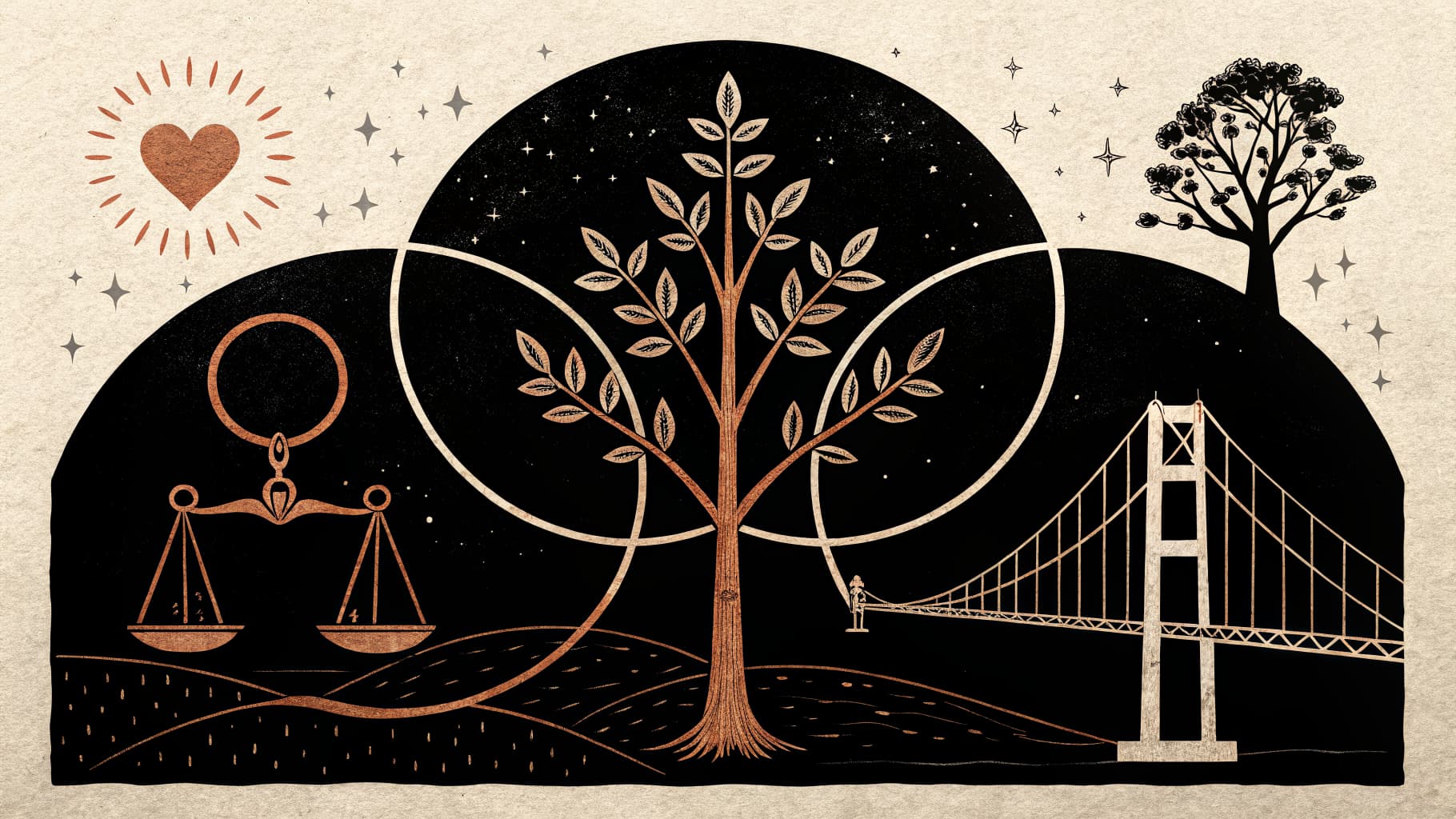
Interpreting the Meaning of the Pledge
A deep dive into the promises made by citizens to build a democratic society based on justice and equality.
TL;DR:Active learning helps young students grasp abstract ideas like unity and justice by connecting them to familiar experiences. When children move, discuss, and create together, they build deeper understanding than passive listening allows.
About This Topic
The Singapore Pledge commits citizens to build a democratic society through unity, justice, and equality. Primary 1 students interpret its key phrases, such as 'one united people, regardless of race, language or religion,' and connect them to daily life in school and community. They explore how these promises guide interactions among diverse groups and support national goals of happiness, prosperity, and progress.
This topic aligns with MOE CCE standards for National Identity and Values and Commitment. Students address key questions by analyzing unity's implications, evaluating government roles in citizens' lives, and critiquing practical challenges like maintaining equality. These discussions cultivate early civic responsibility and appreciation for Singapore's multicultural fabric.
Active learning benefits this topic greatly. When students engage in role-plays of inclusive scenarios or collaborative drawings of pledge ideals, abstract concepts become personal and observable. Such approaches build emotional connections, reinforce peer discussions, and make commitments memorable for young learners.
Key Questions
- Analyze the implications of being 'one united people'.
- Evaluate how the pledge guides governmental roles in citizens' lives.
- Critique which aspect of the pledge presents the greatest challenge in practice.
Learning Objectives
- Identify the core promises within the Singapore Pledge.
- Explain the meaning of 'one united people, regardless of race, language or religion' in their own words.
- Demonstrate how to show respect for classmates from different backgrounds.
- Analyze how the pledge's ideals relate to school rules and community interactions.
Before You Start
Why: Students need to have a foundational understanding of sharing, taking turns, and basic politeness to grasp concepts of unity and fairness.
Why: Prior exposure to the idea that people look, speak, and believe different things is necessary before discussing unity regardless of these differences.
Key Vocabulary
| Pledge | A solemn promise made by citizens to their country, outlining commitments to its development and values. |
| United people | A group of people who stand together and support each other, even though they may be different. |
| Justice | Fairness and the idea that everyone should be treated rightly and equally. |
| Equality | The state of being equal, especially in status, rights, and opportunities for all people. |
| Democratic society | A society where people have the freedom to choose their leaders and participate in making decisions. |
Watch Out for These Misconceptions
Common MisconceptionThe pledge only applies in school assemblies.
What to Teach Instead
The pledge guides all citizen actions in daily life and community. Role-plays of home or playground scenarios help students see its broad relevance, while peer sharing corrects narrow views through real-life examples.
Common Misconception'One united people' means everyone must act the same.
What to Teach Instead
Unity celebrates differences in race, language, and religion while working together. Group murals depicting diverse friends collaborating clarify this, as discussions reveal how variety strengthens society.
Common MisconceptionJustice means only punishing wrongdoers.
What to Teach Instead
Justice involves fairness for all, as per the pledge. Think-pair-share activities on fair sharing expose this fuller meaning, with pairs debating examples to refine understandings.
Active Learning Ideas
See all activities→Think-Pair-Share
Pledge Unity
Display 'one united people, regardless of race, language or religion.' Students think alone for 2 minutes about its meaning, pair up to share examples from class, then share one idea with the whole class. Record class ideas on a shared chart.
Morning Circle
Group Mural: Justice and Equality
In small groups, students draw scenes showing justice (fair play) and equality (sharing resources) from the pledge. Each group presents their mural and explains one pledge connection. Display murals in class.
Morning Circle
Role-Play Scenarios: Pledge Promises
Assign pairs simple scenarios like sharing toys across differences or helping a friend. Pairs act out using pledge phrases, then switch roles. Debrief as a class on how actions match the pledge.
Real-World Connections
- Observe how students in your own classroom work together on group projects, sharing materials and ideas, which reflects the pledge's call for unity.
- See how community leaders, like your school principal or local Member of Parliament, work to ensure everyone in the neighborhood is treated fairly and has opportunities.
Assessment Ideas
Give students a card with a picture of diverse children playing together. Ask them to write one sentence explaining how this picture shows being 'one united people'.
Ask students: 'If someone in our class is sad because others are not being fair, what can we do to help them feel better?' Guide them to connect answers to justice and equality.
Show students three simple drawings: one of people fighting, one of people ignoring each other, and one of people helping each other. Ask them to point to the drawing that best shows 'one united people' and explain why.
Frequently Asked Questions
How to introduce the Singapore Pledge to Primary 1 students?
What are the key phrases in the Pledge for P1?
How can active learning help teach the Pledge?
What challenges arise when practising Pledge ideals?
More in Our National Identity
Exploring Symbols of Sovereignty
Examining the national flag, anthem, and pledge as representations of shared values.
8 methodologies
Celebrating National Milestones
Understanding the historical significance of National Day and our journey as a people.
8 methodologies
Our National Language and Culture
Exploring the significance of Singapore's national language and the diverse cultural heritage.
8 methodologies
The Singapore Story: Early Beginnings
An introduction to the historical journey of Singapore, from its founding to early independence.
8 methodologies
Our Unique Singaporean Identity
Discussing what makes Singapore unique and how different elements contribute to our national identity.
8 methodologies