India · CBSE Learning Outcomes
Class 3 Environmental Studies
Class 3 EVS: understanding relationships, shelter and housing, the importance of water, and how food reaches us from the farm. Children connect their lives to the wider community.
01Relationships and Community
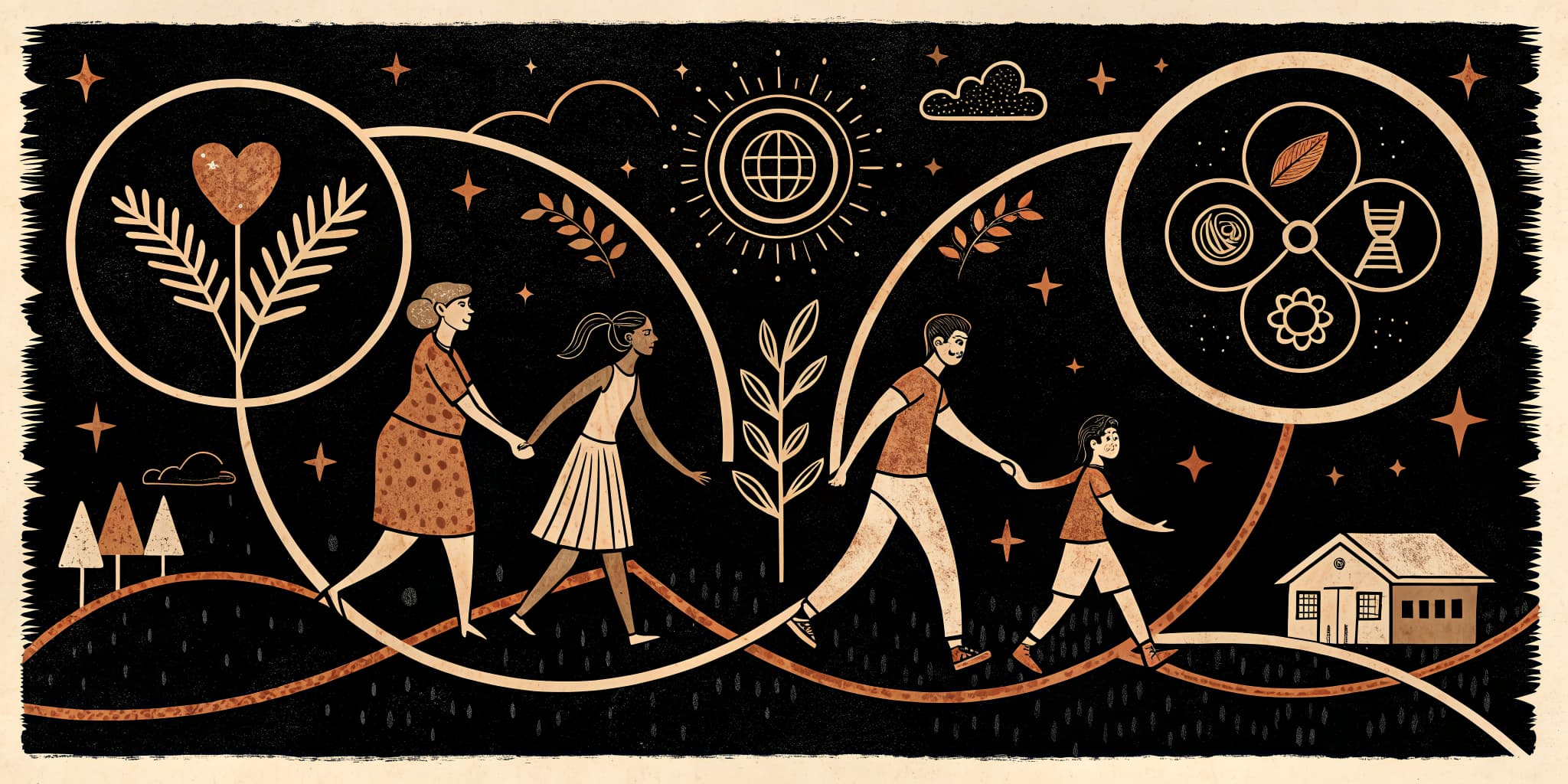
Children explore how people relate to one another: in families, in school, and in the community around them.
Students will analyze different family structures and how families maintain connections across distances.
Students will identify and explain the various roles and responsibilities of individuals within the school environment.
Students will explore the diverse languages, foods, and festivals present in their community and discuss the importance of respect.
Students will identify essential community helpers and explain the vital services they provide to maintain a healthy society.
Students will explore the purpose of rules in school and community, and their own responsibilities as citizens.
Students will be introduced to the concept of local leadership (e.g., Sarpanch, Mayor) and their roles in the community.
02Shelter and Housing
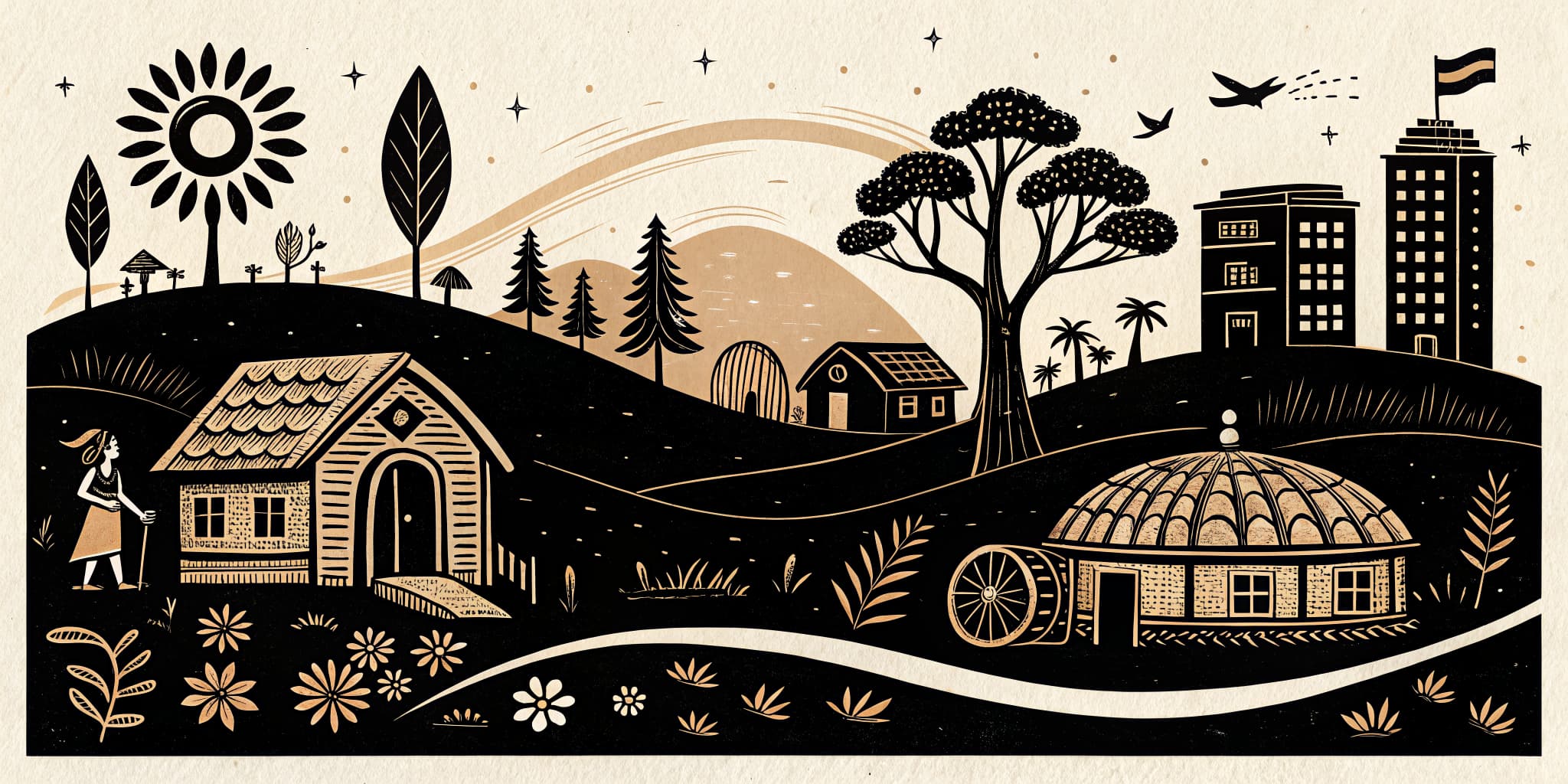
Children learn why we need houses, how houses are different in different parts of India, and what makes a house a home.
Students will analyze the fundamental reasons why humans construct shelters, focusing on protection from elements and safety.
Students will compare and contrast different types of houses found across India, linking their design to local climate and available materials.
Students will explore the intangible aspects that transform a physical structure into a 'home,' focusing on family, warmth, and shared experiences.
Students will investigate various animal shelters and analyze how these habitats are adapted to the animals' needs and environments.
Students will identify common building materials (mud, brick, wood, bamboo) and discuss their suitability for different climates.
03Water and Life
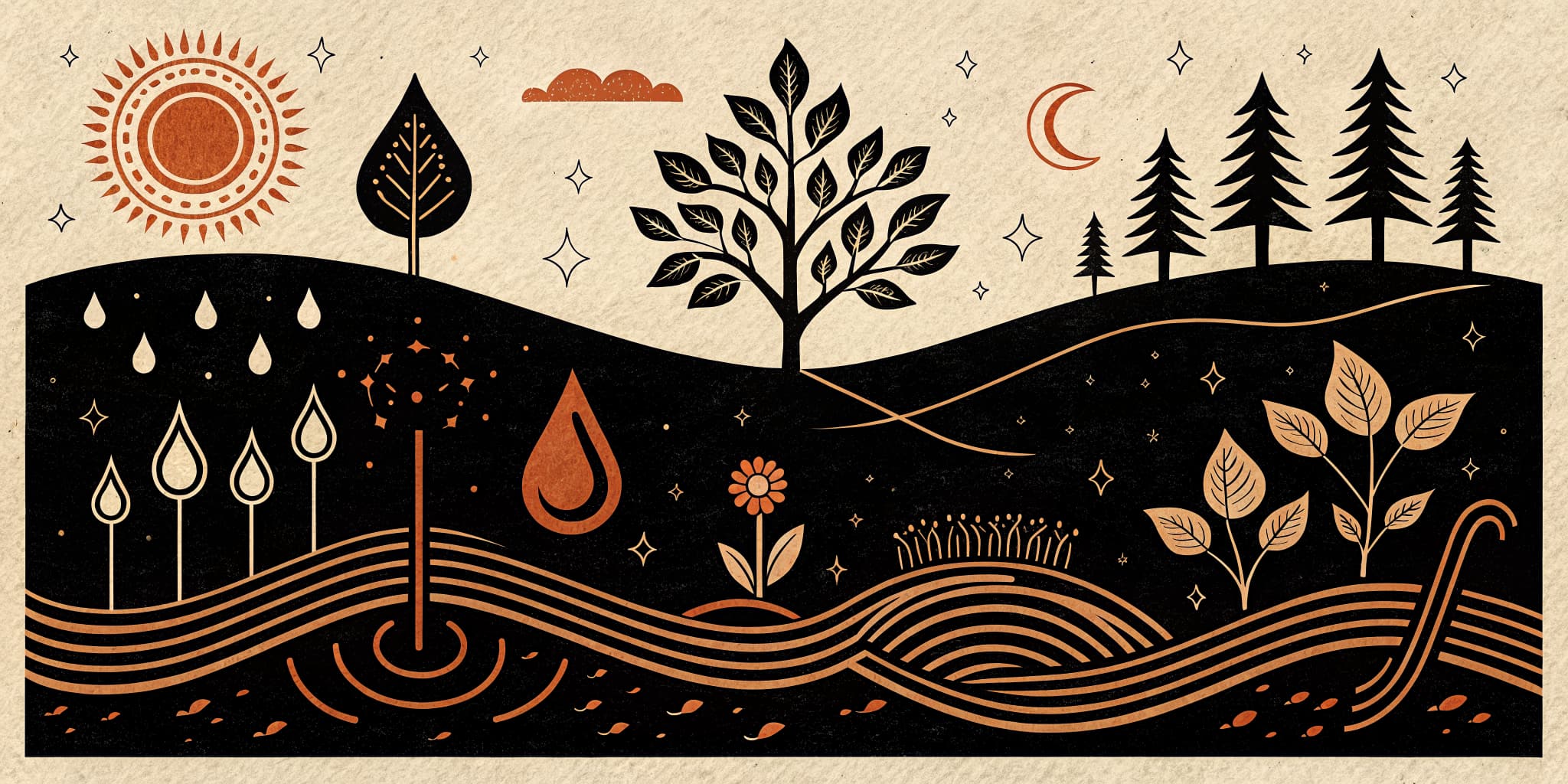
Children deepen their understanding of water: where it comes from, how communities share it, and the importance of conservation.
Students will identify and categorize various natural and man-made sources of water, explaining their significance.
Students will investigate the challenges of water availability and distribution, recognizing that clean water is not universally accessible.
Students will examine the causes and consequences of floods and droughts, understanding their profound effects on human and environmental systems.
Students will identify and implement practical methods for conserving water at home and school, emphasizing responsible usage.
Students will observe and describe the three states of water (ice, liquid, steam) through simple experiments and real-world examples.
Students will learn about common sources of water pollution and discuss simple ways to prevent contamination.
04Food and Farming
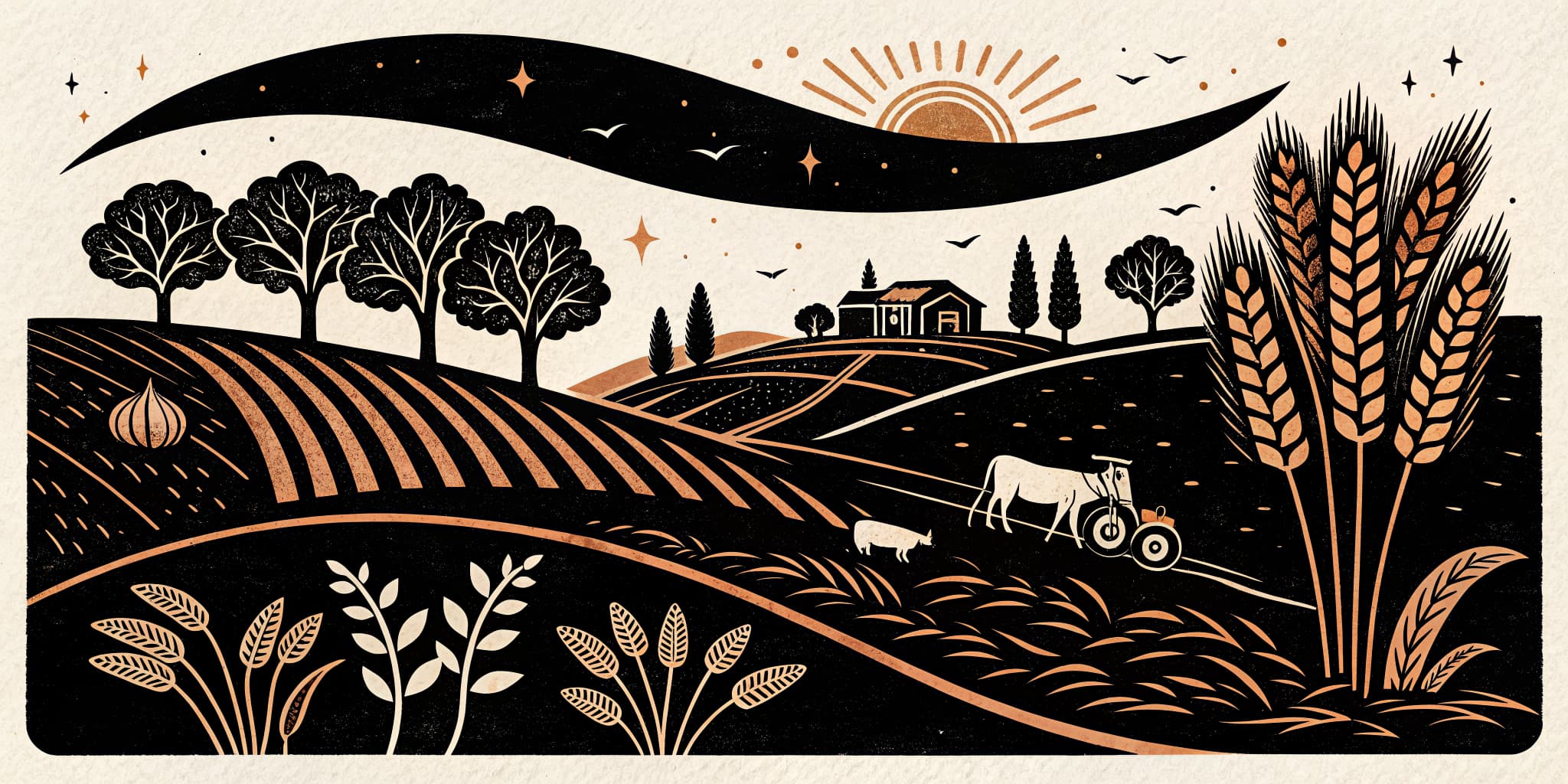
Children explore how food is grown, who grows it, and how food travels from the farm to the kitchen.
Students will trace the sequence of activities involved in farming, from preparing the soil to harvesting crops.
Students will map the journey of food items from agricultural fields through markets to the consumer's kitchen.
Students will explore the rich variety of regional cuisines in India, understanding how geography and culture influence food habits.
Students will identify and categorize different parts of plants that are consumed as food, such as roots, stems, leaves, fruits, and seeds.
Students will identify common food items derived from animals and discuss the animals that provide them.
Students will learn about the importance of a balanced diet and identify healthy food choices for growth and energy.
05Travel and Communication
How we move from place to place and how we share messages with people near and far.
Students will categorize and describe various land, water, and air transport methods used across India, from traditional to modern.
Students will trace the step-by-step process of how a letter is sent and delivered through the Indian postal system.
Students will explore various forms of communication that do not involve spoken words, such as body language, facial expressions, and sign language.
Students will learn and apply basic road safety rules for pedestrians, cyclists, and passengers.
Students will explore how communication methods have changed over time, from smoke signals to mobile phones.

06Our Environment and Resources
Children learn about the natural environment, its resources, and the importance of protecting it.
Students will identify common natural resources like soil, air, and sunlight and understand their importance.
Students will explore the benefits of trees and forests for the environment and living beings.
Students will learn about the 3 R's and practical ways to manage waste at home and school.
Students will identify sources of air pollution and understand its impact on health and the environment.
Students will learn about the importance of protecting animals and their natural living spaces.

07Work and Play
Children explore different types of work people do, the importance of play, and how work and play contribute to a healthy life.
Students will identify various professions and the skills required for each, appreciating the dignity of labor.
Students will discuss household chores and challenge gender stereotypes associated with specific tasks.
Students will explore the benefits of play, both indoor and outdoor, for physical and mental well-being.
Students will learn about and play traditional Indian games, understanding their cultural significance.

08Our Body and Health
Children learn about the human body, healthy habits, and basic first aid.
Students will identify major external and internal organs and understand their basic functions.
Students will learn about daily hygiene practices like bathing, brushing, and handwashing to prevent illness.
Students will reinforce the connection between nutritious food and physical growth and energy.
Students will understand the importance of regular physical activity and adequate sleep for a healthy lifestyle.

09Festivals and Celebrations
Children explore the diverse festivals celebrated in India, understanding their cultural significance and shared joy.
Students will identify major religious festivals (Diwali, Eid, Christmas, Gurpurab) and their associated traditions.
Students will learn about harvest festivals (Pongal, Bihu, Onam, Lohri) and their connection to agriculture.
Students will understand the importance of national festivals (Independence Day, Republic Day, Gandhi Jayanti) and their historical significance.

10Mapping Our Surroundings
Children learn basic map skills, understanding directions and symbols to navigate their local environment.
Students will learn cardinal directions (North, South, East, West) and use them to describe locations.
Students will interpret basic map symbols and keys to understand features on a simple map of their school or neighborhood.
Students will create a simple map of their neighborhood, including important landmarks and their homes.