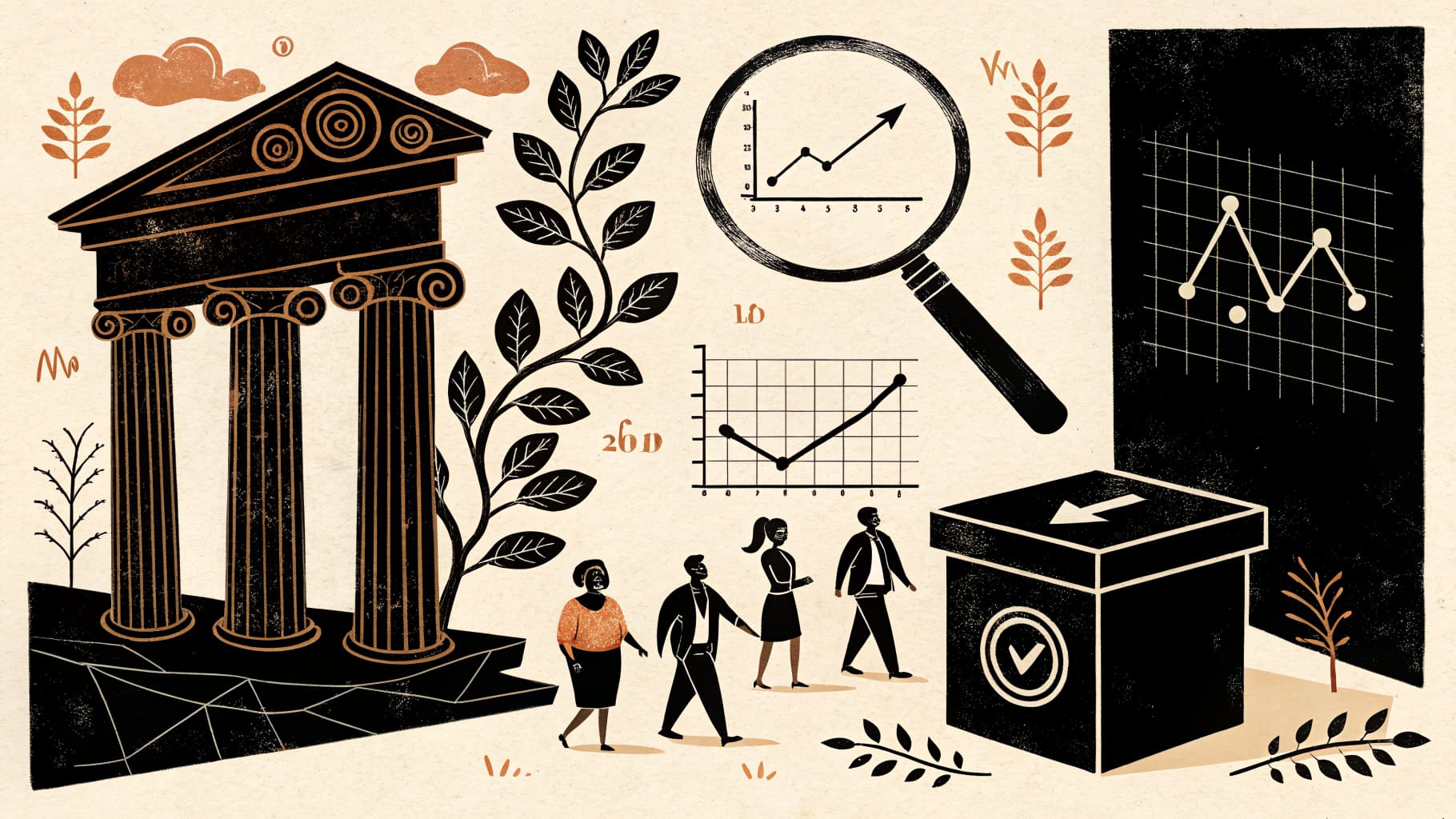
Foundations of Human Rights
Students study the historical development and philosophical underpinnings of human rights. The topic introduces key international human rights instruments.
TL;DR:This topic traces the evolution of human rights from ancient philosophical ideas to the modern international legal framework. Students examine key milestones like the Enlightenment, the aftermath of World War II, and the creation of the Universal Declaration of Human Rights (UDHR). They explore the core principles of dignity, liberty, and equality that underpin these documents.
About This Topic
This topic traces the evolution of human rights from ancient philosophical ideas to the modern international legal framework. Students examine key milestones like the Enlightenment, the aftermath of World War II, and the creation of the Universal Declaration of Human Rights (UDHR). They explore the core principles of dignity, liberty, and equality that underpin these documents.
For 6th Year students, the focus is on understanding that human rights are not static but are the result of historical struggles. This topic connects to their understanding of power and the state's responsibility to its citizens. Students benefit from hands-on modeling of these concepts, such as 'ranking' rights or investigating the historical context of specific articles in the UDHR through collaborative research.
Key Questions
- What are the historical origins of human rights?
- How does the Universal Declaration of Human Rights function?
- Are human rights universal or culturally relative?
Watch Out for These Misconceptions
Common MisconceptionHuman rights were 'invented' in 1948 with the UDHR.
What to Teach Instead
While the UDHR was a landmark, the ideas have roots in much older religious, philosophical, and legal traditions. Exploring documents like the Magna Carta or the French Declaration of the Rights of Man helps provide context.
Common MisconceptionThe UDHR is a legally binding law that all countries must follow.
What to Teach Instead
The UDHR is a declaration, not a treaty. While it has huge moral weight and influenced later binding laws (like the ICCPR), it does not have an enforcement mechanism of its own. This distinction is crucial for understanding international law.
Active Learning Ideas
See all activities→Inquiry Circle
The UDHR Timeline
Groups are assigned a specific decade of the 20th century. They must find one major event that advanced human rights and one that violated them, presenting how these events influenced international law.
Think-Pair-Share
Ranking Rights
Students are given a list of ten basic rights and must rank them in order of importance. They then discuss with a partner why it is difficult (or impossible) to say one right is more important than another.
Gallery Walk
Human Rights Pioneers
Stations feature profiles of figures like Eleanor Roosevelt, Nelson Mandela, or Mary Robinson. Students rotate to identify which specific rights these individuals fought for and the methods they used.
Frequently Asked Questions
What are the 'three generations' of human rights?
What is the significance of the European Convention on Human Rights (ECHR)?
How can active learning help students understand the foundations of human rights?
Are human rights universal or culturally relative?
More in Human Rights and Responsibilities
Human Rights in Practice
An examination of how human rights are protected and violated in contemporary contexts. Students analyze the mechanisms for enforcing human rights at national and international levels.
8 methodologies
Balancing Competing Rights
This topic explores complex scenarios where different human rights come into conflict. Students learn to navigate and analyze these ethical and legal dilemmas.
8 methodologies