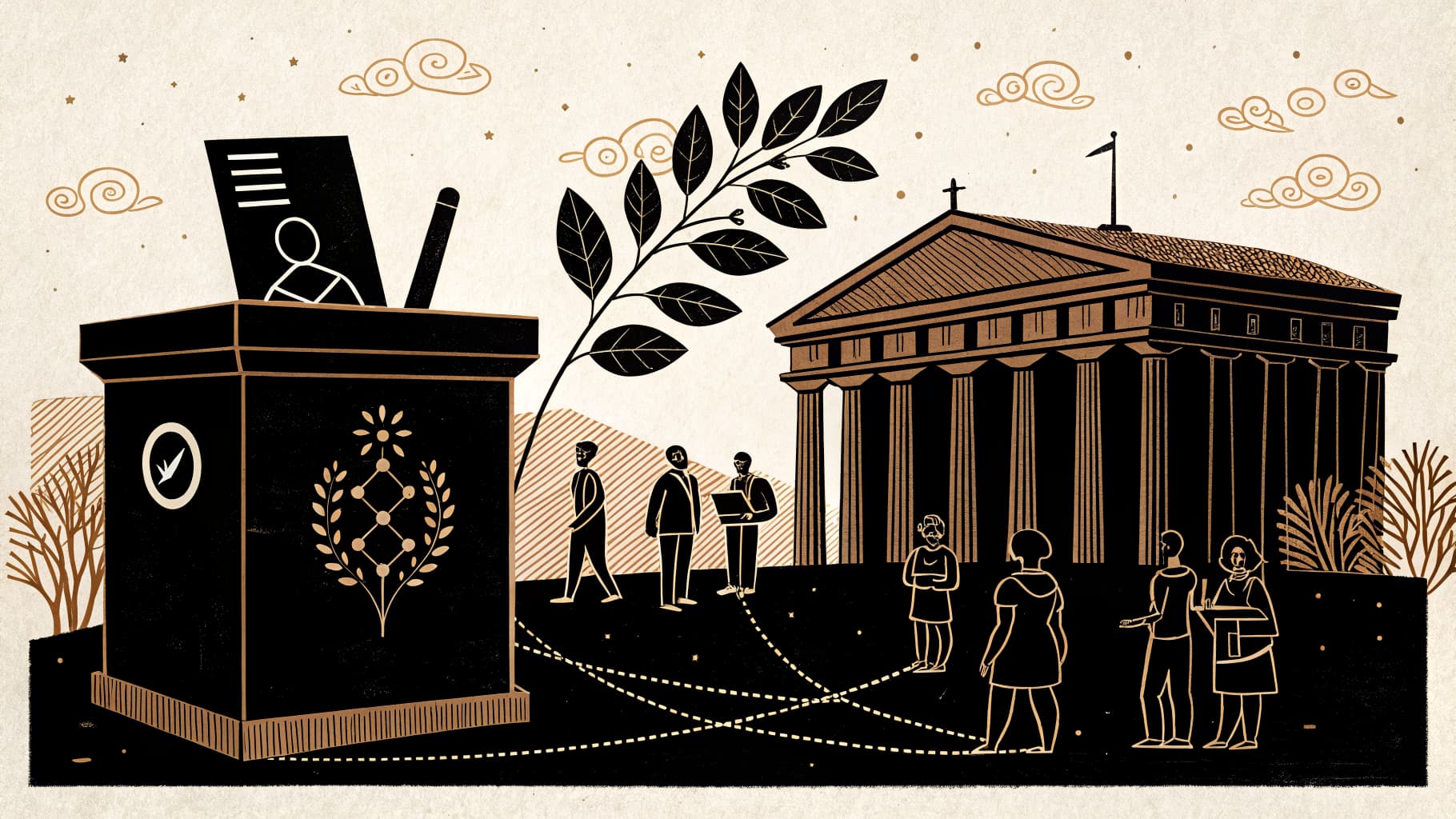
Our Community Leaders: Mayors and Councillors
Discover the roles of local leaders like mayors and councillors, and how they work to improve our towns and communities.
TL;DR:Active learning helps students grasp the practical impact of community leaders by connecting abstract roles to real decisions. When students act as councillors or interview local leaders, they move from passive listening to active engagement with democracy in their own area.
About This Topic
Mayors and councillors lead local government in Ireland, shaping communities through everyday decisions. The mayor chairs council meetings and represents the area publicly, while councillors, elected to represent wards, debate and vote on issues like planning permissions, public services, road maintenance, parks, and community funding. Students explore these roles by identifying their local leaders via council websites, examining recent decisions, and discussing how these actions address community needs, such as safer streets or better playgrounds.
This topic fits within the NCCA Primary curriculum strands of Myself and the Wider World, specifically People in the Community and Local Environment. It introduces the machinery of democracy at a tangible level, fostering skills in research, analysis, and civic participation. By connecting abstract governance to visible local changes, students grasp how democracy operates close to home.
Active learning benefits this topic greatly. Role-playing council debates or interviewing local leaders makes roles concrete and memorable. Community walks to spot council projects encourage observation and discussion, building ownership and enthusiasm for democratic involvement.
Key Questions
- Who are the leaders in our local town or county?
- What kinds of decisions do they make for our community?
- How do these leaders help make our community a better place to live?
Learning Objectives
- Identify the primary responsibilities of mayors and councillors in their local government.
- Explain how decisions made by mayors and councillors impact community services and infrastructure.
- Compare the roles of a mayor versus a councillor within the local democratic structure.
- Analyze a recent local council decision to determine its intended benefit for the community.
Before You Start
Why: Students need a foundational understanding of different community roles and how people contribute to society before examining elected leadership.
Why: A general awareness of rules and decision-making bodies helps students grasp the function of local government.
Key Vocabulary
| Mayor | The elected head of a local government, often responsible for chairing council meetings and representing the community publicly. |
| Councillor | An elected representative who serves on a local council, debating and voting on community issues and services. |
| Local Government | The administration of a particular town, county, or district, with elected officials responsible for local services and development. |
| Public Services | Essential services provided by the local government for the benefit of all residents, such as waste collection, libraries, and parks. |
Watch Out for These Misconceptions
Common MisconceptionThe mayor makes all decisions alone.
What to Teach Instead
Councillors share power through voting in meetings. Role-plays of council debates help students see collaboration in action and correct the idea of solo rule.
Common MisconceptionLocal leaders only handle big national issues.
What to Teach Instead
They focus on town-level matters like waste collection and events. Community mapping activities reveal these impacts nearby, shifting focus from national to local relevance.
Common MisconceptionCouncillors do not listen to ordinary people.
What to Teach Instead
They hold public meetings for input. Mock resident presentations in class simulations demonstrate responsiveness, encouraging students to value participation.
Active Learning Ideas
See all activities→Think-Pair-Share
Role-Play: Mock Council Meeting
Divide class into councillors, mayor, and residents. Present community issues like a new park or traffic lights. Groups propose solutions, vote, and justify decisions in a 20-minute simulated meeting.
Think-Pair-Share
Guest Speaker: Local Leader Visit
Invite a councillor or mayor to speak for 15 minutes on their role and a recent project. Students prepare three questions in advance. Follow with a Q&A and thank-you card creation.
Think-Pair-Share
Community Map: Spotting Leader Impact
Students walk the school neighbourhood, noting council projects like benches or signs. Back in class, map findings and research who approved them via council minutes.
Real-World Connections
- Students can visit their local county council website to find the names and contact information of their elected mayor and councillors, seeing real people in these roles.
- Examining local news reports about recent planning permission decisions or park improvements allows students to see the direct outcomes of council meetings and debates.
- Researching how local councils allocate budgets for services like road repair or public transport provides concrete examples of how leaders manage community resources.
Assessment Ideas
Present students with a list of community needs (e.g., a new playground, better street lighting). Ask them to write one sentence explaining which type of local leader (mayor or councillor) would be most involved in addressing each need and why.
Pose the question: 'How does the work of your local mayor and councillors directly affect your daily life?' Facilitate a class discussion, encouraging students to share specific examples they have identified or researched.
On a small card, ask students to write down one responsibility of a councillor and one responsibility of a mayor. They should also write one question they would ask their local mayor if they had the chance.
Frequently Asked Questions
What are the main roles of mayors and councillors in Ireland?
How do local leaders improve communities?
How can active learning help teach about community leaders?
What resources support teaching mayors and councillors?
More in The Machinery of Democracy
Our Classroom Rules and Why We Have Them
Explore why rules are important in our classroom and school, how they keep us safe and fair, and who helps make them.
8 methodologies
Our School Leaders: Principal and Teachers
Learn about the roles of the Principal and teachers in our school, how they lead, and how they help make decisions for our school community.
8 methodologies
How School Rules Are Made
Understand how new rules might be introduced in our school, from an idea to becoming a rule everyone follows.
8 methodologies
The President of Ireland: Our National Figurehead
Learn about the President of Ireland as an important national figure who represents our country and its values.
8 methodologies
Local Government and Community Engagement
Investigate the functions of County Councils and the importance of local representation in addressing community needs.
8 methodologies
Citizenship and Participation
Explore the rights and responsibilities of citizens in a democratic society, emphasizing active participation.
8 methodologies