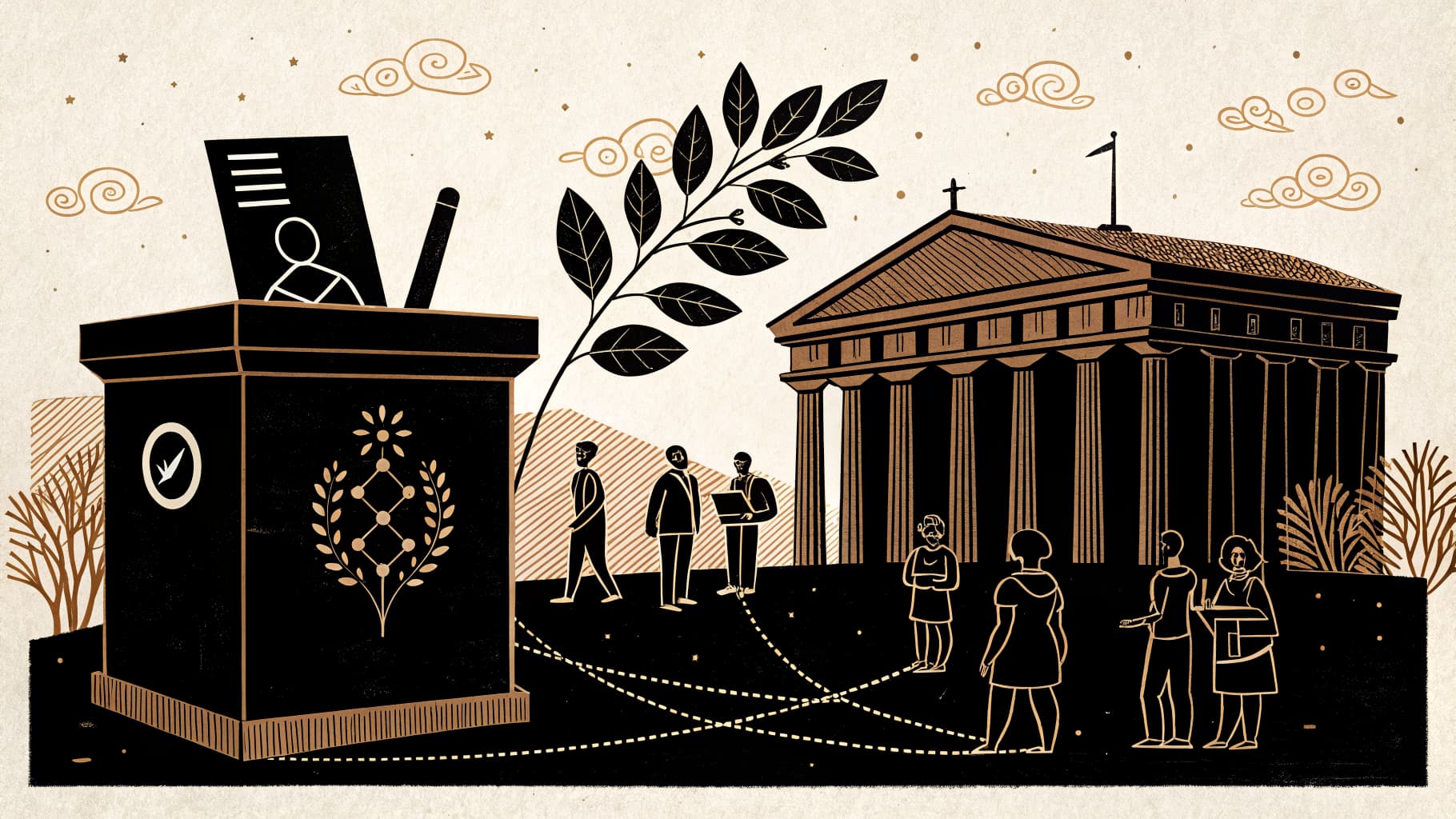
Our Classroom Rules and Why We Have Them
Explore why rules are important in our classroom and school, how they keep us safe and fair, and who helps make them.
TL;DR:Active learning engages students directly with the processes that shape their own lives. By simulating how classroom rules are created, students see the connection between their daily experiences and the democratic systems that protect their rights and responsibilities.
About This Topic
This topic explores the heart of Irish democracy by examining how the Oireachtas functions. Students learn the journey of a bill, from its initial drafting through the debates in Dáil Éireann and Seanad Éireann, to the final signature by the President. Understanding this process is vital for Junior Cycle students as it demystifies how the rules governing their lives are created and contested. It aligns with the NCCA standards on Rights and Responsibilities by showing how legislation balances individual freedoms with the common good.
Beyond the mechanics of voting, students investigate the role of committees and the importance of legislative oversight. They see how the government is held accountable through parliamentary questions and rigorous debate. This topic comes alive when students can physically model the patterns of debate and negotiation through a mock legislative session.
Key Questions
- Why do we have rules in our classroom and school?
- How do rules help everyone feel safe and treated fairly?
- Who helps decide what rules we should have?
Learning Objectives
- Identify the core components of classroom rules and explain their purpose in fostering a safe and fair learning environment.
- Analyze how specific classroom rules contribute to the well-being and equitable treatment of all students.
- Compare the process of rule creation in the classroom with the legislative process at a national level, identifying similarities and differences.
- Propose amendments to existing classroom rules based on principles of fairness and safety, justifying the changes.
Before You Start
Why: Students need a basic understanding of relationships and shared living spaces to grasp the concept of rules within a group.
Why: Prior exposure to the school environment helps students understand the context in which classroom and school rules operate.
Key Vocabulary
| Classroom Rules | Agreed-upon guidelines for behavior within a classroom, designed to ensure a positive and productive learning atmosphere for everyone. |
| Fairness | Treating all individuals justly and equitably, ensuring that rules and consequences are applied impartially without favoritism. |
| Safety | The condition of being protected from harm or danger, achieved through adherence to rules that prevent accidents and promote well-being. |
| Responsibility | The duty to act or behave in a certain way, acknowledging the consequences of one's actions and contributing positively to the classroom community. |
| Decision-Making | The process of identifying a problem or need, considering different options, and choosing a course of action, often involving input from others. |
Watch Out for These Misconceptions
Common MisconceptionThe President decides which laws are passed.
What to Teach Instead
In Ireland, the President's role is largely ceremonial regarding legislation, though they can refer a bill to the Supreme Court. Active simulations of the signing process help students distinguish between the legislative power of the Oireachtas and the guardian role of the President.
Common MisconceptionOnly the Government can propose new laws.
What to Teach Instead
While most successful bills are Government-led, Opposition TDs and Senators can introduce Private Members' Bills. Using a gallery walk of recent bills helps students see the diversity of sources for Irish law.
Active Learning Ideas
See all activities→Simulation Game
The Bill's Journey
Divide the class into the Dáil and the Seanad to pass a fictional bill on school start times. Students must propose amendments, debate in committees, and vote, experiencing how disagreements are resolved between the two houses.
Inquiry Circle
Committee Stage
Small groups act as Oireachtas Committees examining a specific issue like climate action or digital safety. They must research expert opinions and draft a short report recommending changes to a proposed law.
Think-Pair-Share
The Seanad's Value
Students reflect individually on whether a second chamber is necessary for democracy. They pair up to compare the Seanad's role in delaying versus improving legislation before sharing a consensus view with the class.
Real-World Connections
- The school principal, Ms. O'Connell, works with student councils and parent-teacher associations to establish school-wide policies, similar to how a local government might create bylaws for a town.
- When a new traffic law, like mandatory helmet use for cyclists, is proposed, it goes through a process of debate and voting in the Oireachtas, mirroring how classroom rules are discussed and agreed upon by students and the teacher.
- Community mediators help neighbors resolve disputes by establishing clear expectations and agreements, a process that requires understanding and respecting rules for peaceful coexistence.
Assessment Ideas
Provide students with three scenarios: a student disrupting a lesson, a student not sharing materials, and a student feeling unsafe. Ask them to write one rule that could address each scenario and explain why that rule promotes fairness or safety.
Pose the question: 'Imagine our classroom had no rules. What would happen? How would this affect our learning and how we feel about school?' Facilitate a brief class discussion, guiding students to articulate the necessity of rules.
Present students with a list of 5-7 potential classroom rules. Ask them to circle the three rules they believe are most important for ensuring safety and fairness, and briefly explain their top choice.
Frequently Asked Questions
What is the difference between the Dáil and the Seanad?
How can 3rd Year students engage with the Oireachtas?
Why is the committee stage of a bill so important?
How does active learning help students understand law-making?
More in The Machinery of Democracy
Our School Leaders: Principal and Teachers
Learn about the roles of the Principal and teachers in our school, how they lead, and how they help make decisions for our school community.
8 methodologies
How School Rules Are Made
Understand how new rules might be introduced in our school, from an idea to becoming a rule everyone follows.
8 methodologies
The President of Ireland: Our National Figurehead
Learn about the President of Ireland as an important national figure who represents our country and its values.
8 methodologies
Our Community Leaders: Mayors and Councillors
Discover the roles of local leaders like mayors and councillors, and how they work to improve our towns and communities.
8 methodologies
Local Government and Community Engagement
Investigate the functions of County Councils and the importance of local representation in addressing community needs.
8 methodologies
Citizenship and Participation
Explore the rights and responsibilities of citizens in a democratic society, emphasizing active participation.
8 methodologies