Fair Rules for Everyone: Why We Follow Them
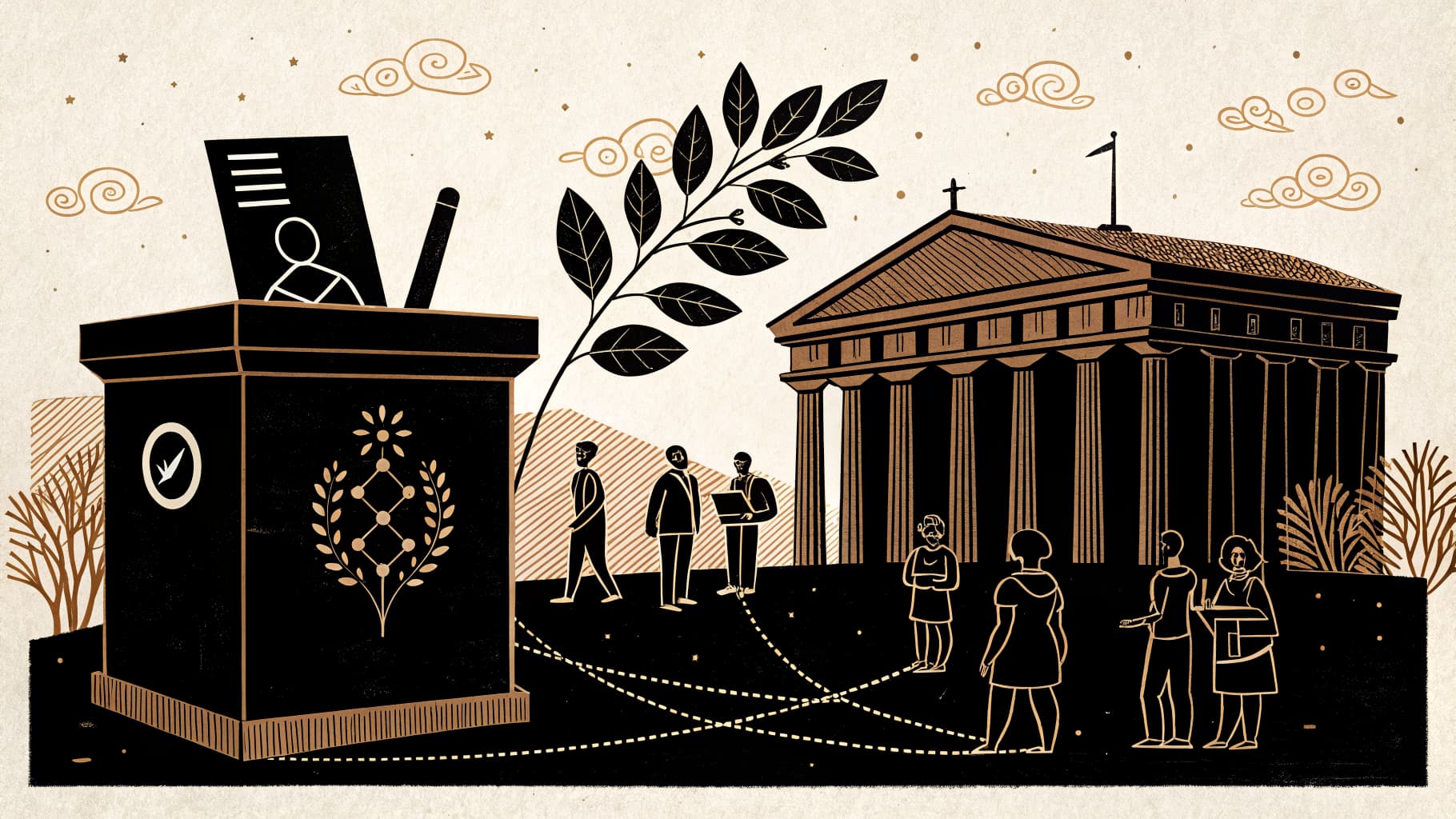
Explore the idea that rules should be fair and apply to everyone, and how this helps our community work well.
TL;DR:Active learning helps students grasp the practical role of courts in Ireland by connecting hierarchical structures to real-world examples. When students move through stations or participate in trials, they see fairness in action rather than just hearing about it.
About This Topic
The Court System in Ireland provides an overview of the judicial branch of government. Students learn about the hierarchy of courts, from the District and Circuit Courts to the High Court, Court of Appeal, and Supreme Court. They explore how different types of cases (civil vs. criminal) are handled and the importance of an independent judiciary in maintaining the rule of law.
This topic is central to the Law strand of the NCCA Junior Cycle specification. It helps students understand how justice is administered and the protections available to citizens, such as the right to a fair trial and the presumption of innocence. By demystifying the courtroom, students feel more confident in their understanding of the legal system. Students grasp this concept faster through structured discussion and peer explanation of how a case moves through the hierarchy.
Key Questions
- What makes a rule fair?
- Why is it important that rules apply to everyone?
- How do fair rules help our school and community?
Learning Objectives
- Evaluate the fairness of a given rule by applying criteria such as universality and equity.
- Explain why rules that apply equally to all members of a community promote social cohesion.
- Identify specific examples of how fair rules contribute to the smooth functioning of the school environment.
- Compare the impact of fair versus unfair rules on community well-being.
Before You Start
Why: Students need prior experience with established rules in their immediate environment to understand the concept of rules in a broader community context.
Why: Understanding the roles of people who help maintain order and safety in a community provides a foundation for discussing why rules are necessary.
Key Vocabulary
| Fairness | Treating everyone justly and equitably, without bias or discrimination. It means giving people what they are due. |
| Rule of Law | The principle that everyone, including those in power, is subject to and accountable under the law. Laws should be clear, public, stable, and applied evenly. |
| Equity | Ensuring that everyone has the resources and opportunities they need to be successful, recognizing that different people may need different support. |
| Community | A group of people living in the same place or having a particular characteristic in common, such as a school, neighborhood, or town. |
Watch Out for These Misconceptions
Common MisconceptionAll court cases involve a jury.
What to Teach Instead
Students often think every trial looks like a TV show. A collaborative investigation into the District Court helps them see that most cases are decided by a judge alone without a jury.
Common MisconceptionThe Supreme Court is where you go if you are unhappy with a speeding ticket.
What to Teach Instead
Many don't understand the 'hierarchy of seriousness.' Using a pyramid diagram activity helps students visualize that the Supreme Court only hears cases of major public or constitutional importance.
Active Learning Ideas
See all activities→Stations Rotation
Which Court?
Set up stations with different legal scenarios (e.g., a traffic offense, a major constitutional challenge, a personal injury claim). Students must decide which court would hear the case and why.
Mock Trial
The District Court
Students take on roles (Judge, Solicitor, Garda, Defendant) to conduct a short trial for a minor offense. This helps them understand the procedure and the roles of court officials.
Think-Pair-Share
The Jury System
Pairs discuss the pros and cons of having a jury of ordinary citizens decide a person's guilt. They then share their views on whether juries should be used in all cases.
Real-World Connections
- Consider the rules for using the school library. If only certain students were allowed to borrow books, or if fines were applied differently based on who the student was, the library would not function fairly or effectively for everyone.
- Think about traffic laws, like speed limits and stop signs. These rules apply to all drivers, regardless of their background or status. This universal application helps prevent accidents and keeps our roads safer for everyone in the community.
Assessment Ideas
Present students with a scenario: 'Imagine our school decided that only students with blue backpacks could use the playground during lunch.' Ask: 'Is this rule fair? Why or why not? How would this rule affect our school community? What would be a fairer rule?'
Students write down one rule from their school or community that they think is fair and explain in one sentence why it is fair. Then, they write down one rule they think is unfair and explain in one sentence why it is unfair.
Ask students to give a thumbs up if they agree with the statement: 'A rule is fair if it applies the same way to every single person.' Then ask for a show of hands for students who can give an example of a rule that applies to everyone in the classroom.
Frequently Asked Questions
What is the difference between civil and criminal law?
What does the Supreme Court of Ireland do?
How can active learning help students understand the court system?
Who can serve on a jury in Ireland?
More in The Rule of Law and Justice
Restorative Justice Approaches
Explore restorative justice as an alternative to traditional punitive measures, focusing on repair and reconciliation.
8 methodologies
The Role of An Garda Síochána
Understand the duties and responsibilities of the Irish police force in maintaining law and order.
8 methodologies
Police Accountability and Public Trust
Investigate mechanisms for police accountability and the importance of public trust in law enforcement.
8 methodologies
Citizens' Rights and Responsibilities with Law Enforcement
Explore the rights and responsibilities of citizens when interacting with An Garda Síochána.
8 methodologies
The Power of the Media: News and Information
Analyze how news is gathered, reported, and consumed, and its impact on public understanding.
8 methodologies
Media Bias and Critical Consumption
Develop critical thinking skills to identify bias, misinformation, and disinformation in various media forms.
8 methodologies