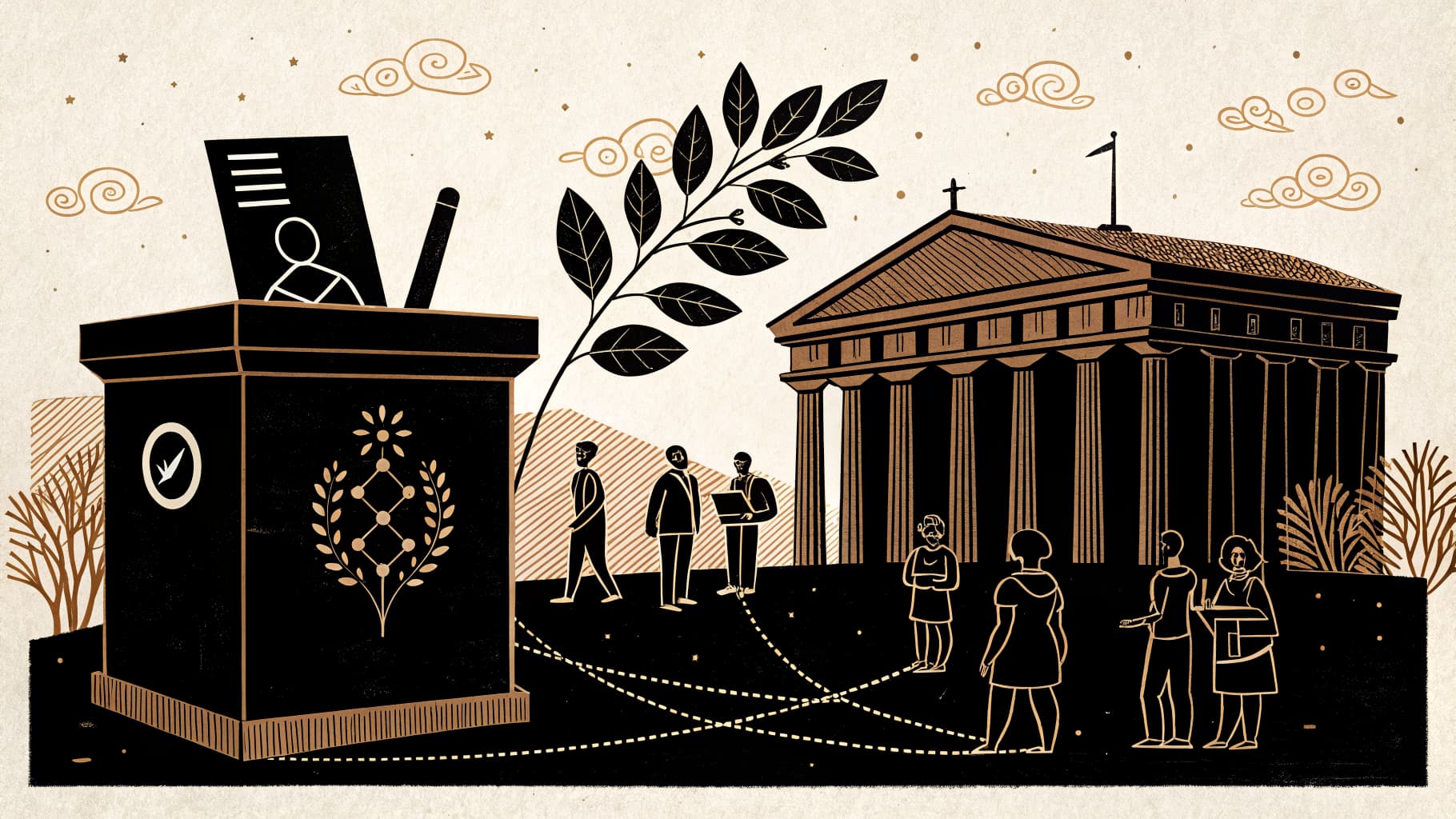
The Dáil Éireann: Our Representatives
Understanding how the Dáil functions to create laws and represent the people.
TL;DR:Understanding how our elected officials are chosen is central to civic education. Active learning methods like simulations and debates allow students to directly experience the complexities of electoral systems, moving beyond rote memorization to genuine comprehension.
About This Topic
This topic examines the electoral system in Ireland, specifically Proportional Representation with a Single Transferable Vote (PR-STV). Students learn how elections are organized, the importance of the secret ballot, and how votes are counted. This is a fundamental part of the 'Democracy' and 'Rights and Responsibilities' strands of the NCCA Junior Cycle, as it deals with the primary way citizens exercise their power.
Students will also explore the debate around lowering the voting age to sixteen and what makes an election fair and democratic. By understanding how the PR-STV system works, students can see how it aims to ensure that the makeup of the Dáil reflects the proportions of the votes cast. This topic comes alive when students can physically model the patterns of voting and counting in a mock election.
Key Questions
- Explain the role of Teachtaí Dála (TDs) in the Irish government.
- Assess how well elected representatives reflect the diversity of Ireland.
- Analyze the process of how a bill becomes a law through the Oireachtas, including the roles of both Dáil Éireann and Seanad Éireann.
Learning Objectives
- Explain the primary functions of Teachtaí Dála (TDs) within Dáil Éireann.
- Analyze how effectively elected representatives mirror the demographic diversity of the Irish population.
- Trace the legislative journey of a bill through the Oireachtas, identifying the distinct roles of Dáil Éireann and Seanad Éireann.
- Compare the representation achieved through the PR-STV electoral system with other potential systems.
Before You Start
Why: Students need a basic understanding of what government is and why leadership roles exist before exploring specific parliamentary structures.
Why: Familiarity with different roles within a community helps students grasp the concept of elected representatives serving the public.
Key Vocabulary
| Teachta Dála (TD) | An elected member of Dáil Éireann, the lower house of the Oireachtas. TDs represent the people of their constituency and participate in law-making. |
| Dáil Éireann | The lower house of the Oireachtas, Ireland's national parliament. It is the primary legislative body, responsible for making laws and scrutinizing government. |
| Oireachtas | The national parliament of Ireland, consisting of the President of Ireland and two houses: Dáil Éireann and Seanad Éireann. |
| Bill | A proposed law that is presented to the Oireachtas for debate and approval. If passed by both houses and signed by the President, it becomes an Act of law. |
| Constituency | A geographical area that elects one or more representatives to the Dáil Éireann. TDs are elected to represent the people within their specific constituency. |
Watch Out for These Misconceptions
Common MisconceptionThe person with the most 'number 1' votes always wins.
What to Teach Instead
In Ireland's PR-STV system, this isn't always the case. Running a mock count helps students understand how transfers work and why being a second or third choice can be just as important as being first.
Common MisconceptionVoting is just a choice, not a responsibility.
What to Teach Instead
Students may see voting as optional. Discussion about voter turnout and its impact on democracy helps them see that participating in elections is a key civic duty for maintaining a healthy society.
Active Learning Ideas
See all activities→Hot Seat
Mock Election: PR-STV Style
Students hold an election for a classroom 'mascot' or 'theme.' They use real-style ballot papers to rank their choices. A group of students acts as 'counters,' demonstrating how surplus votes are transferred until a winner is reached.
Formal Debate
Votes at 16
Divide the class into teams to argue for and against lowering the voting age in Ireland. They must research arguments regarding maturity, civic education, and the long-term impact on democratic participation.
Gallery Walk
Election Posters
Students create election posters for fictional candidates, focusing on different issues. The class walks around and evaluates which posters are most effective at communicating a message and why fairness in campaigning matters.
Real-World Connections
- Students can research the TDs for their own constituency, finding out their background, voting record on key issues, and how they engage with local communities. This connects the abstract concept of representation to their immediate environment.
- Visiting Leinster House, the seat of the Oireachtas, provides a tangible connection to the legislative process. Observing a Dáil session or a committee meeting allows students to see the democratic machinery in action.
- Following news reports on a current bill being debated in the Dáil, such as recent legislation on climate action or housing, helps students understand how proposed laws are shaped by public debate and political negotiation.
Assessment Ideas
Pose the question: 'Imagine you are a TD. What are the three most important issues you would raise in Dáil Éireann for your constituency, and why?' Encourage students to justify their choices based on the needs of their represented area.
Provide students with a simplified diagram of the legislative process. Ask them to label the key stages a bill passes through and identify the main actors involved (e.g., TD, Minister, Dáil, Seanad, President). Check for accurate sequencing and identification of roles.
On a slip of paper, ask students to write: 'One thing I learned about how laws are made in Ireland today' and 'One question I still have about the Dáil or TDs'.
Frequently Asked Questions
What is PR-STV?
How can active learning help students understand voting systems?
Why is the secret ballot important?
Should the voting age be lowered to 16 in Ireland?
More in Foundations of Irish Democracy
Rules for Our Country: Basic Laws
Understanding that Ireland has important rules (laws) that help everyone live together fairly and safely, and who makes them (the Oireachtas).
8 methodologies
The President of Ireland: Our Head of State
Learning about the role of the President of Ireland as a symbol of our country and how they represent us.
8 methodologies
Why We Vote: Making Choices Together
Understanding the importance of voting as a way for people to choose their leaders and make decisions for the community, and the idea of a secret ballot.
8 methodologies
The Importance of Fair Elections
Examining what makes an election fair and democratic, including voter registration and campaigning.
8 methodologies