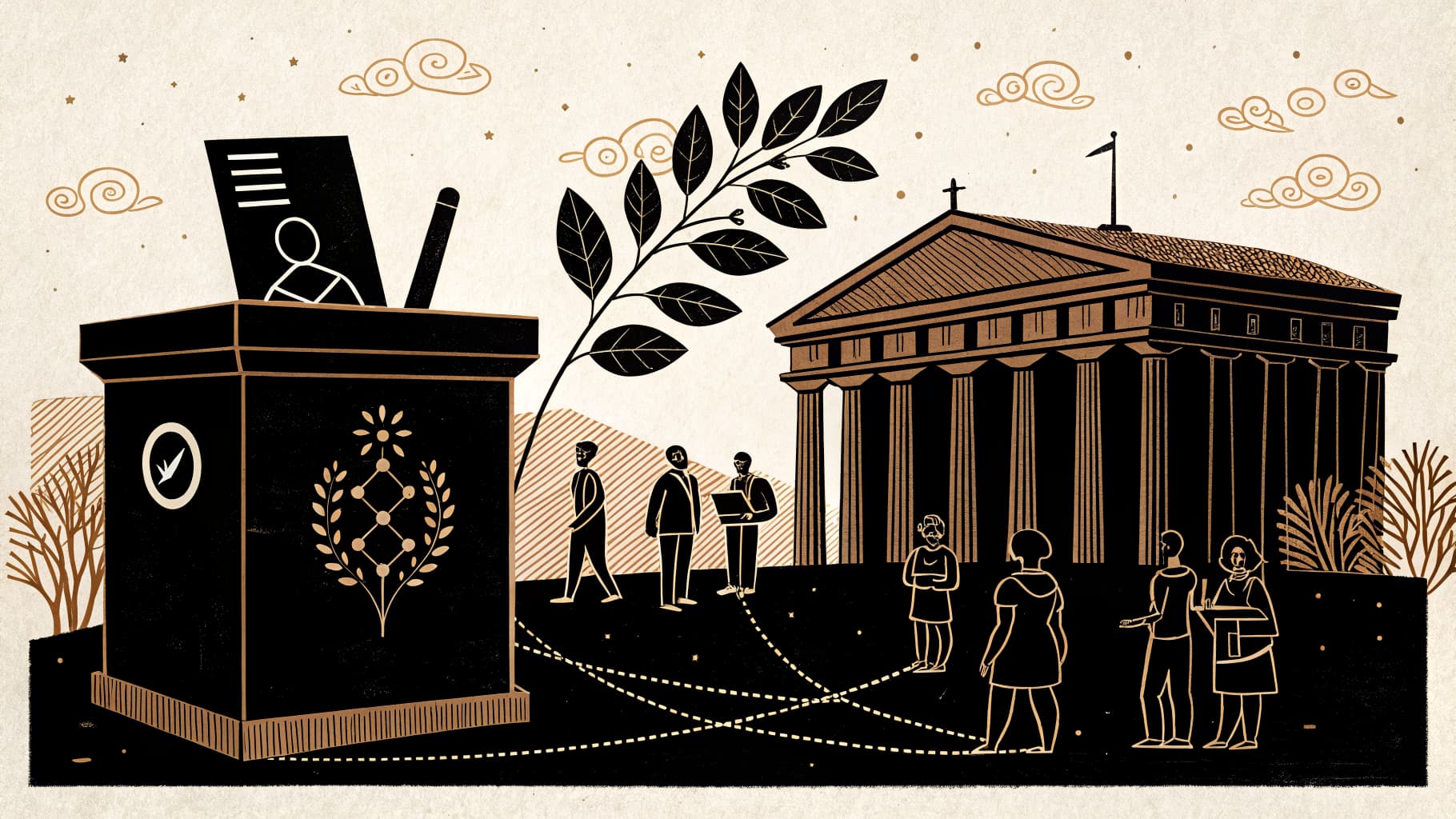
Civic Action in the Community
Exploring practical ways individuals can contribute to their community and fulfill civic duties.
TL;DR:Active learning transforms civic action from an abstract idea into lived experience for students. When learners survey their own neighborhood, they see real gaps in services or safety, which makes community needs tangible and urgent. Carrying out small projects shows them how participation builds trust and improves local life, turning lessons into habits of mind and action.
About This Topic
Civic Action in the Community shows first-year students practical ways to contribute locally and meet civic duties. They identify needs like litter in parks or support for neighbors, then plan actions such as clean-ups, fundraisers, or awareness campaigns. This topic links personal choices to community health, aligning with NCCA Junior Cycle specifications for Rights and Responsibilities and Stewardship.
In the unit The Individual and the Community, students design service projects, assess how single actions boost collective well-being, and explain participation's value in democracy. Class talks connect volunteering and advocacy to sustaining fair societies, where everyone's input matters.
Active learning suits this topic perfectly. Students gain ownership by leading real projects, like school recycling drives or surveys. They observe direct results, practice collaboration in planning, and reflect on outcomes, which deepens commitment to citizenship.
Key Questions
- Design a plan for a community service project.
- Assess the impact of individual actions on collective well-being.
- Explain how active participation strengthens a democratic society.
Learning Objectives
- Design a detailed plan for a community service project, including goals, resources, and timeline.
- Evaluate the impact of a specific individual action on the collective well-being of the local community.
- Explain how active participation in local initiatives strengthens democratic principles and civic engagement.
- Identify at least three distinct ways individuals can fulfill civic duties within their community.
Before You Start
Why: Students need a foundational understanding of what rights they have and what responsibilities come with being part of a society before exploring how to actively contribute.
Why: Before planning civic action, students must be able to recognize problems or areas for improvement within their local environment or social groups.
Key Vocabulary
| Civic Duty | An action or responsibility that citizens are expected to perform to benefit their community or country. This can include voting, volunteering, or obeying laws. |
| Community Service | Voluntary work intended to help people in a particular area. It focuses on improving the local environment or supporting vulnerable groups. |
| Collective Well-being | The overall health, happiness, and prosperity of a group of people living in the same community. It is influenced by individual actions and shared resources. |
| Active Participation | The process of citizens engaging directly in community life and decision-making. This goes beyond simply voting to include volunteering, attending meetings, or advocating for change. |
Watch Out for These Misconceptions
Common MisconceptionCivic action is only for adults or leaders.
What to Teach Instead
Student-led planning sessions show everyone contributes. When groups design school projects, they see youth initiatives work, which builds their sense of agency through shared successes.
Common MisconceptionIndividual efforts make no difference in a community.
What to Teach Instead
Ripple simulations reveal chain effects. Students track one action's spread in group scenarios, correcting views of isolation and highlighting collective power via visible links.
Common MisconceptionCivic duty means just following rules, not acting.
What to Teach Instead
Project pitches emphasize proactive steps like volunteering. Class feedback rounds clarify participation's democratic role, shifting focus from passive to active responsibility.
Active Learning Ideas
See all activities→Plan-Do-Review
Mapping Exercise: Local Needs Survey
Pairs walk the school grounds and nearby streets to list issues like litter or poor lighting. They sketch a neighbourhood map and add evidence photos. Class votes on top priorities for projects.
Plan-Do-Review
Planning Workshop: Project Blueprint
Small groups choose one need and draft a plan: goals, steps, roles, timeline, and resources. They pitch to the class for suggestions. Groups revise plans based on feedback.
Plan-Do-Review
Role-Play Game: Ripple Effect Simulation
Whole class acts out a community scenario, with students as residents taking turns to act. Track chain reactions on a shared board. Debrief on how actions connect to democracy.
Real-World Connections
- Local council members in Dublin regularly consult with community groups, such as residents' associations planning a new park or a neighborhood watch scheme, to understand local needs and incorporate citizen feedback into policy.
- Environmental charities like An Taisce organize national clean-up campaigns, mobilizing thousands of volunteers across Ireland to remove litter from beaches and rivers, directly improving the local environment for everyone.
- Youth organizations, such as Foróige, facilitate projects where young people identify local issues, like lack of youth facilities, and develop action plans to address them, demonstrating active citizenship in practice.
Assessment Ideas
Pose the question: 'Imagine your local park has a problem with litter. What are two specific actions you, as an individual, could take to help solve this?' Facilitate a brief class discussion, encouraging students to share their ideas and explain why their chosen actions would benefit the community.
Provide students with a simple worksheet listing three scenarios: a neighbor needing help with groceries, a local charity seeking volunteers, and a community meeting about a new development. Ask them to write one sentence for each scenario explaining how they could participate and what civic duty it fulfills.
Students work in pairs to outline a simple community service project idea. Each student reviews their partner's outline, answering these questions: 'Is the project goal clear? Are the proposed actions specific? How might this project help the community?' Partners provide one constructive suggestion for improvement.
Frequently Asked Questions
What community projects suit first-year civic action lessons?
How does active learning enhance civic action in junior cycle?
How to assess impact of student civic actions?
How to link civic action to democratic society?
More in The Individual and the Community
Understanding Personal Identity
Students explore the various facets that make up their personal identity and how these are shaped by their experiences and background.
8 methodologies
Exploring Community Membership
Investigating the various groups we belong to and how these shape our perspectives on society.
8 methodologies
Introduction to Human Rights
An introduction to the concept of human rights and their universal nature.
8 methodologies
Children's Rights in Daily Life
An introduction to the concept of children's rights, focusing on how they apply to students' daily lives at home and school.
8 methodologies
Linking Rights and Responsibilities
Examining the link between having rights and the duties we owe to others in a democratic society.
8 methodologies
Understanding Rules and Laws
Analyzing why societies create rules and laws, and the difference between them.
8 methodologies