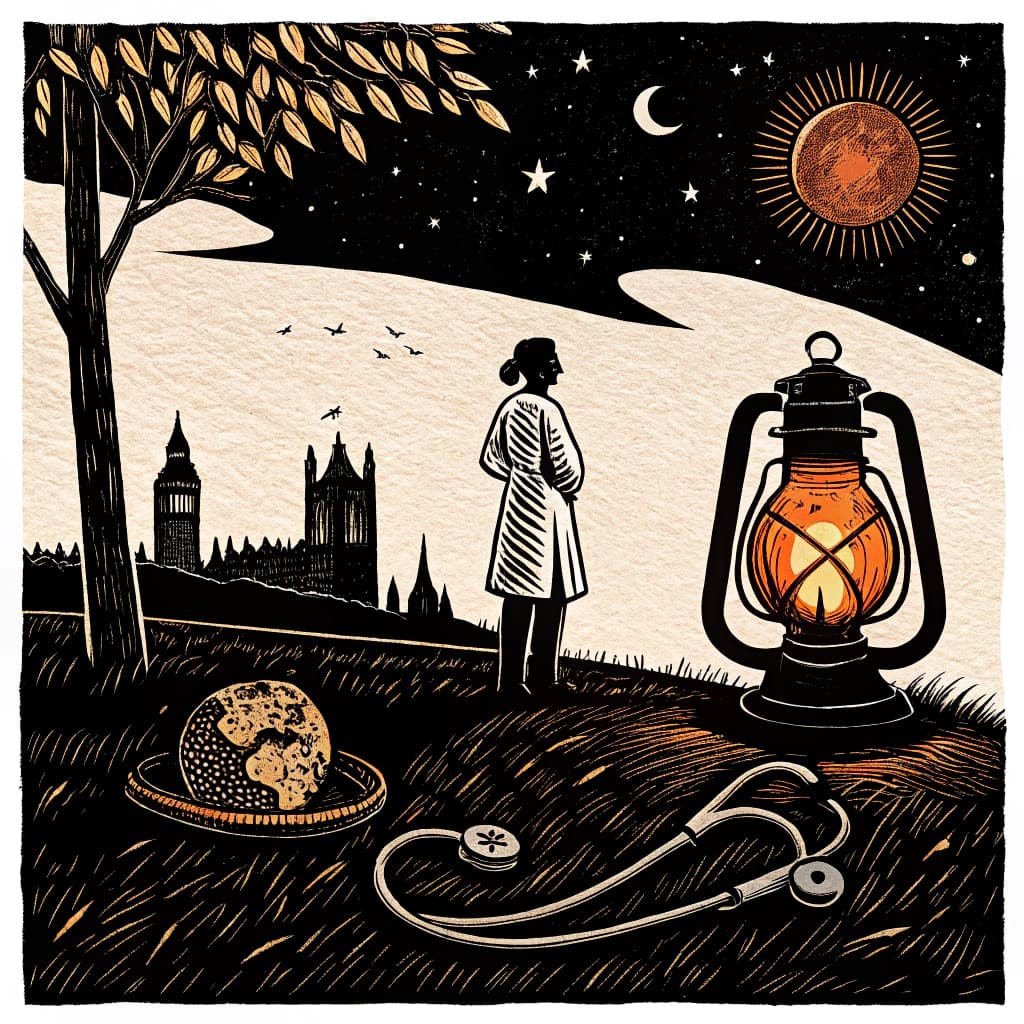
Emily Davison: A Suffragette's Sacrifice
Examining the life and actions of Emily Davison and her role in the Suffragette movement.
TL;DR:Active learning helps students grasp the emotional and ethical weight of Emily Davison’s story in a way that passive reading cannot. By stepping into roles, debating trade-offs, and building timelines, students connect intellectual understanding to personal stakes and historical consequences.
About This Topic
Emily Davison was a key figure in the Suffragette movement, which fought for women's right to vote in early 20th-century Britain. Born in 1872, she joined the Women's Social and Political Union in 1906 and took bold actions, such as interrupting public events and enduring imprisonment. Her most famous act occurred at the 1913 Epsom Derby, where she stepped in front of the King's horse to protest, leading to fatal injuries. This sacrifice spotlighted the Suffragettes' determination and contributed to eventual voting rights for women in 1918 and full equality in 1928.
This topic aligns with KS1 History standards on significant individuals and events beyond living memory. Students explore how Davison's courage reflects broader struggles for equality, connecting to themes of civil rights and social change. Through her story, children develop empathy for past injustices and recognize the impact of standing up for beliefs, fostering skills in historical enquiry and perspective-taking.
Active learning suits this topic well. Role-playing protests, creating timelines, or debating risks makes abstract history vivid and personal. These approaches build emotional connections, encourage collaborative discussion, and help young learners internalize the value of perseverance in justice.
Key Questions
- Who was Emily Davison and why is she remembered?
- How did Emily Davison show how strongly she felt about votes for women?
- What do you think makes someone willing to take a big risk for something they believe in?
Learning Objectives
- Identify Emily Davison as a significant individual within the Suffragette movement.
- Explain the primary goal of the Suffragette movement using evidence from Emily Davison's actions.
- Compare the methods used by Emily Davison to express her beliefs with methods used by people today to advocate for causes.
- Analyze the risks Emily Davison took and evaluate their potential impact on public opinion at the time.
Before You Start
Why: Students need foundational experience in identifying and describing the contributions of important individuals before studying historical figures.
Why: Understanding the concept of rules and laws helps students grasp why the Suffragettes wanted the right to vote and influence legislation.
Key Vocabulary
| Suffragette | A member of a women's organization in the early 20th century who, among other methods, used strong protests and civil disobedience to fight for women's right to vote. |
| Votes for Women | The slogan and main objective of the Suffragette movement, advocating for women to have the right to participate in elections. |
| Protest | An expression of objection, often in opposition to a policy or course of action, which can take many forms from peaceful demonstration to more disruptive actions. |
| Sacrifice | Giving up something important or valuable, sometimes one's life, for the sake of a greater cause or principle. |
Watch Out for These Misconceptions
Common MisconceptionSuffragettes only caused trouble and violence.
What to Teach Instead
Many actions started peacefully with petitions and marches before escalating. Role-play activities let students experience the progression, building empathy through peer discussions that reveal the context of frustration after years of ignored demands.
Common MisconceptionEmily Davison died immediately and women got the vote right away.
What to Teach Instead
She died four days later from injuries, and partial voting rights came five years after in 1918. Timeline-building in groups clarifies the sequence, helping students see cause-and-effect over time via hands-on manipulation and class sharing.
Common MisconceptionHer Derby protest was random and pointless.
What to Teach Instead
It was planned to grab attention for votes, amplifying the movement. Debates in class encourage evidence-based arguments, where active participation corrects oversimplifications by connecting personal risks to historical outcomes.
Active Learning Ideas
See all activities→Hot Seat
Pairs Role-Play: Suffragette Protest
Pairs select roles as Emily Davison or a fellow Suffragette. They practice chanting slogans and holding signs made from card. Perform short skits for the class, then discuss feelings involved. Wrap up with reflections on risks taken.
Hot Seat
Small Groups Timeline: Davison's Life
Provide key dates on cards. Groups sequence them on a large timeline strip, adding drawings of events like prison hunger strikes. Present to class and explain one event's importance. Extend by linking to today's rights.
Hot Seat
Whole Class Debate: Taking Risks
Pose the key question on risks for beliefs. Divide class into agree/disagree sides. Each side shares two reasons with evidence from Davison's story. Vote and reflect on changes she helped bring.
Real-World Connections
- Consider modern-day activists who participate in marches or organize petitions to advocate for environmental protection or social justice issues. Their actions, like those of the Suffragettes, aim to draw attention to important causes.
- Think about the role of historical sites like the Houses of Parliament in London, where laws are made. The Suffragettes fought for women to have a voice in making these laws.
Assessment Ideas
Provide students with a postcard template. Ask them to draw a picture on one side representing Emily Davison's actions or the Suffragette movement. On the other side, they should write one sentence explaining why she is remembered.
Pose the question: 'What does it mean to be brave when you believe in something?' Ask students to share one way Emily Davison showed bravery and one way they or someone they know has shown bravery for a cause.
Show images of different protest methods, including historical Suffragette actions and modern examples. Ask students to point to the image that best represents Emily Davison's actions and explain their choice in one sentence.
Frequently Asked Questions
How to teach Emily Davison to Year 2 pupils?
What was Emily Davison's role in the Suffragette movement?
How can active learning help teach about Emily Davison?
Why is Emily Davison remembered today?
Planning templates for History
5E Model
The 5E Model structures lessons through five phases (Engage, Explore, Explain, Elaborate, and Evaluate), guiding students from curiosity to deep understanding through inquiry-based learning.
Unit PlannerThematic Unit
Organize a multi-week unit around a central theme or essential question that cuts across topics, texts, and disciplines, helping students see connections and build deeper understanding.
RubricSingle-Point Rubric
Build a single-point rubric that defines only the "meets standard" level, leaving space for teachers to document what exceeded and what fell short. Simple to create, easy for students to understand.
More in Equality and Civil Rights
What is Fairness? Introduction to Rights
Reflecting on the concept of equality and why it's important for everyone to be treated fairly.
8 methodologies
Rosa Parks and the Montgomery Bus Boycott
The story of how one woman's refusal to move changed civil rights in America.
8 methodologies
Martin Luther King Jr. and Peaceful Protest
Learning about Martin Luther King Jr.'s leadership in the Civil Rights Movement and his advocacy for non-violent resistance.
8 methodologies
Votes for Women: The Suffragettes
Learning about the struggle of women in Britain to gain the right to vote.
8 methodologies
Children's Rights Today
Understanding the concept of children's rights and how they are protected in modern society.
8 methodologies
The Universal Declaration of Human Rights
Introducing the idea of universal human rights and why they are important for everyone, everywhere.
8 methodologies