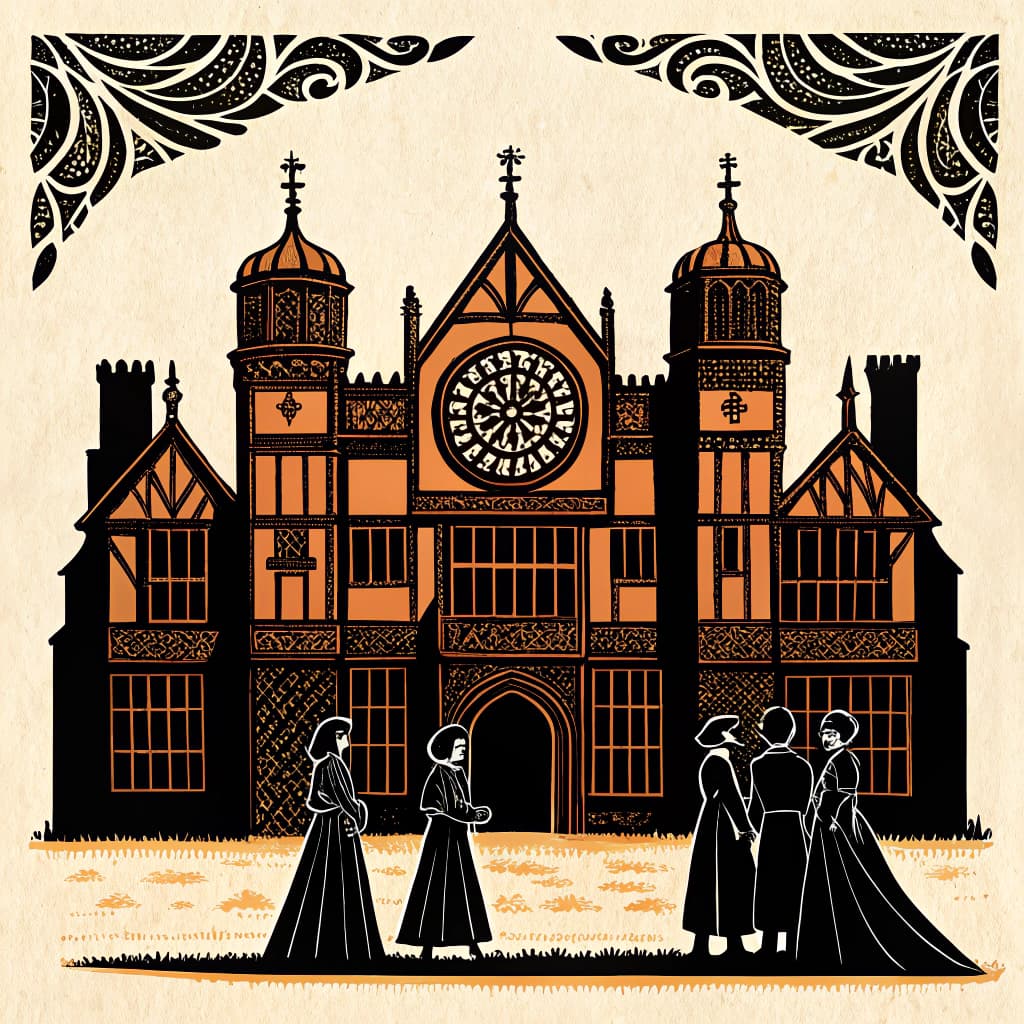
The Rise of the Gentry
The social and economic ascent of the landowning class below the nobility.
About This Topic
The rise of the gentry in Elizabethan England signifies a crucial shift in social and economic power, moving influence away from the traditional landed aristocracy towards a broader, ambitious class of landowners. This period saw the gentry significantly expand their wealth through shrewd land acquisition, agricultural improvements, and profitable ventures like trade and law. Their growing economic clout translated directly into increased social prestige and political engagement, as they increasingly filled roles in local administration, served as justices of the peace, and represented counties in Parliament.
Analyzing the factors behind this ascent requires examining a confluence of economic opportunities, such as the dissolution of monasteries which released land onto the market, and changing patterns of land ownership. The gentry's ability to adapt and innovate in their management of estates, coupled with their educational advancements, allowed them to consolidate power and challenge the established order. Understanding this phenomenon is key to grasping the complex social stratification and the evolving nature of governance during the Elizabethan era, moving beyond a simple binary of aristocracy and commoners.
Active learning approaches are particularly beneficial for this topic. Engaging students in debates about a 'crisis of the aristocracy' or having them analyze primary source documents detailing gentry landholdings and legal cases allows for a deeper, more critical understanding of their social and economic ascent.
Key Questions
- Analyze what factors contributed to the increased wealth and influence of the gentry.
- Explain how the gentry influenced local government and Parliament.
- Evaluate whether there was a 'crisis of the aristocracy' during this period.
Watch Out for These Misconceptions
Common MisconceptionThe gentry were simply wealthy farmers.
What to Teach Instead
This view overlooks their significant involvement in law, trade, and local administration. Active analysis of primary sources, such as legal records or trade ledgers, can reveal the diverse economic activities and political roles of the gentry beyond agriculture.
Common MisconceptionThe aristocracy was in a complete state of decline.
What to Teach Instead
While the gentry rose, the aristocracy retained considerable power and wealth. Debates and role-playing activities that require students to argue from different social perspectives can help them understand the nuanced power dynamics and avoid oversimplification.
Active Learning Ideas
See all activities→Case Study Analysis
Gentry Estate Simulation
Students work in small groups representing gentry families. They are given a budget and a set of potential investments (land purchase, agricultural innovation, trade ventures) and must make decisions to maximize their wealth and influence over a simulated period.
Case Study Analysis
Parliamentary Debate: Gentry Representation
Assign students roles as gentry members of Parliament and members of the nobility. They will debate key issues of the time, such as taxation or land reform, highlighting the gentry's growing voice and demands.
Case Study Analysis
Primary Source Analysis: Gentry Diaries
Provide students with excerpts from gentry diaries or estate records. In pairs, they analyze entries related to income, expenses, social connections, and local governance to infer the gentry's lifestyle and influence.
Frequently Asked Questions
What evidence shows the gentry's increasing influence?
How did the dissolution of monasteries affect the gentry?
What distinguished the gentry from the nobility?
How can active learning help students grasp the gentry's rise?
Planning templates for History
5E Model
The 5E Model structures lessons through five phases (Engage, Explore, Explain, Elaborate, and Evaluate), guiding students from curiosity to deep understanding through inquiry-based learning.
Unit PlannerThematic Unit
Organize a multi-week unit around a central theme or essential question that cuts across topics, texts, and disciplines, helping students see connections and build deeper understanding.
RubricSingle-Point Rubric
Build a single-point rubric that defines only the "meets standard" level, leaving space for teachers to document what exceeded and what fell short. Simple to create, easy for students to understand.
More in Elizabethan Society, Economy, and the Golden Age
Poverty and the Poor Laws (Early Responses)
The distinction between the 'deserving' and 'undeserving' poor and early attempts at poor relief.
3 methodologies
The 1601 Elizabethan Poor Law
The landmark legislation establishing a national system of poor relief.
3 methodologies
Trade, Exploration, and the New World
The voyages of Drake, Hawkins, and Raleigh and the birth of English maritime power.
3 methodologies
The Elizabethan Renaissance: Theatre and Literature
The impact of Shakespeare, Marlowe, and the growth of London's playhouses.
3 methodologies
The Catholic Threat: Jesuits and Seminary Priests
The mission of Campion and Parsons and the government's repressive response.
3 methodologies
The Puritan Challenge and Whitgift
The growth of Presbyterianism and the crackdown under Archbishop Whitgift.
3 methodologies