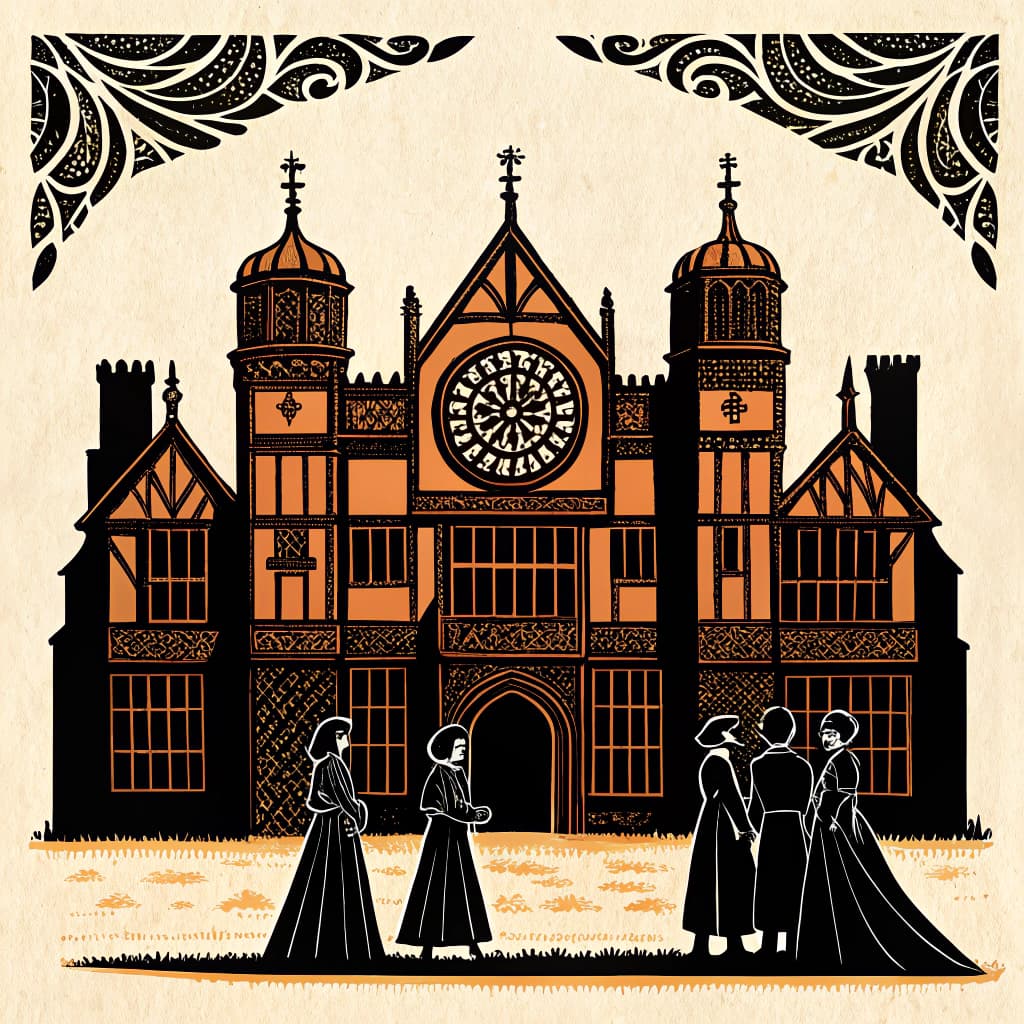
The Dissolution of the Greater Monasteries (1539)
The final phase of the dissolution and its profound impact on English society and land ownership.
TL;DR:Active learning succeeds here because the Dissolution’s impact was both economic and cultural, yet often taught through abstract documents. Students need to confront the human choices behind Henry VIII’s policies, not just memorize dates. By analyzing sources, debating motives, and role-playing negotiations, they grasp how propaganda and pressure worked together to reshape England.
About This Topic
The Dissolution of the Greater Monasteries in 1539 formed the final stage of Henry VIII's attack on England's religious houses. After suppressing smaller priories in 1536, Thomas Cromwell targeted the larger abbeys through royal visitations. Commissioners compiled lists of alleged abuses, such as lax morals and fabricated heresies in the 'Compendium of the Errors,' to force surrenders. The crown seized lands worth millions, treasures, and buildings, selling or leasing them to secular elites.
This process reshaped society and the economy. Monasteries had held a quarter of England's cultivated land, providing charity, education, and spiritual services. Their closure shifted wealth to the nobility and gentry, funded royal projects like coastal forts, and weakened papal influence amid the Reformation. Long-term, it altered landscapes with ruined abbeys and created a Protestant gentry class, influencing power until the Civil War.
Students grasp these shifts best through active methods. Role-playing commissioners or debating land auctions reveals motivations and impacts, while mapping ownership changes visualizes economic ripples. Such approaches connect abstract policy to lived experiences, fostering analytical depth for A-Level essays.
Key Questions
- Analyze the economic and social impact of the closure of religious houses.
- Explain the methods used to justify and implement the dissolution of larger monasteries.
- Evaluate the long-term consequences of the dissolution on the English landscape and power structures.
Learning Objectives
- Analyze the economic impact of monastic land redistribution on the English nobility and gentry.
- Explain the specific legal and administrative methods Cromwell's agents used to secure the surrender of larger monasteries.
- Evaluate the long-term consequences of the dissolution on the physical landscape of England, citing examples of ruined abbeys.
- Compare the stated justifications for dissolution with the actual financial and political motivations of the Crown.
Before You Start
Why: Students must understand the initial causes and theological shifts leading to Henry VIII's separation from the Catholic Church to contextualize the dissolution of monasteries.
Why: Knowledge of Cromwell's administrative reforms and his role as vicar-general is essential for understanding his implementation of the dissolution policy.
Key Vocabulary
| Valor Ecclesiasticus | A comprehensive survey of the wealth and property of the Church in England, Wales, and Ireland, commissioned by Henry VIII to assess monastic assets for taxation and dissolution. |
| Compendium of Errors | A document compiled by royal commissioners listing alleged abuses and corrupt practices within monasteries, used as a pretext to justify their closure and seizure of property. |
| Crown lands | Land owned by the monarch, which significantly increased following the dissolution as monastic properties were absorbed into royal holdings. |
| Secularization | The process of transferring land and property from religious ownership to secular (non-religious) control, a direct outcome of the dissolution. |
Watch Out for These Misconceptions
Common MisconceptionThe dissolution was purely financial with no religious pretext.
What to Teach Instead
Henry VIII framed it as purifying the church from corruption, using visitations to expose 'sins.' Group source analysis helps students weigh economic gains against propaganda, revealing Cromwell's dual motives through peer debate.
Common MisconceptionAll monasteries resisted violently and were destroyed by force.
What to Teach Instead
Most surrendered voluntarily under pressure, with pensions offered. Role-plays of negotiations show subtle coercion, correcting oversimplifications as students negotiate outcomes collaboratively.
Common MisconceptionThe impacts were short-term and forgotten quickly.
What to Teach Instead
Redistributed lands formed gentry estates lasting centuries. Mapping exercises trace enduring landscape changes, helping students connect events to Tudor power structures via visual evidence.
Active Learning Ideas
See all activities→Museum Exhibit
Source Stations: Dissolution Justifications
Prepare stations with primary sources: visitation reports, Cromwell's letters, monks' petitions. Groups rotate every 10 minutes, annotating evidence of methods used. Conclude with whole-class share-out on coercion tactics.
Museum Exhibit
Debate Pairs: Motives of Dissolution
Pair students: one side argues economic greed, the other religious reform. Provide evidence packs; pairs prepare 3-minute speeches then switch sides. Vote on most convincing case with justifications.
Museum Exhibit
Mapping Activity: Land Redistribution
Distribute blank maps of England; students plot major monasteries, shade pre- and post-dissolution ownership. Discuss in groups how this created new gentry power bases. Present one regional change.
Real-World Connections
- Architectural historians study the ruins of abbeys like Fountains Abbey or Rievaulx Abbey, now managed by English Heritage, to understand medieval monastic life and the impact of their destruction.
- Land registry offices today manage vast estates that can trace their origins back to purchases or grants of former monastic lands distributed after 1539, influencing modern property ownership patterns.
- The National Archives holds original deeds and surveys from the dissolution period, providing primary source evidence for historians researching the economic and social shifts of Tudor England.
Assessment Ideas
Pose the question: 'Were the economic benefits of the dissolution worth the loss of monastic services to local communities?' Ask students to take opposing sides and use evidence from the lesson to support their arguments, focusing on land ownership and social welfare.
Students write a two-sentence summary explaining one method used to justify the dissolution of the Greater Monasteries and one significant long-term consequence for English society.
Present students with a short list of monastic assets (e.g., gold chalice, 500 acres of farmland, library of 200 books, tithes from local villages). Ask them to identify which assets would have been most valuable to the Crown and why, based on the dissolution's aims.
Frequently Asked Questions
What methods did Cromwell use to dissolve the greater monasteries?
What was the economic impact of the 1539 dissolution?
How did the dissolution change English land ownership?
How can active learning enhance teaching the Dissolution of the Monasteries?
Planning templates for History
5E Model
The 5E Model structures lessons through five phases (Engage, Explore, Explain, Elaborate, and Evaluate), guiding students from curiosity to deep understanding through inquiry-based learning.
Unit PlannerThematic Unit
Organize a multi-week unit around a central theme or essential question that cuts across topics, texts, and disciplines, helping students see connections and build deeper understanding.
RubricSingle-Point Rubric
Build a single-point rubric that defines only the "meets standard" level, leaving space for teachers to document what exceeded and what fell short. Simple to create, easy for students to understand.
More in The Break with Rome and Thomas Cromwell
The Rise of Thomas Cromwell
The emergence of a new type of minister and the use of Parliament to solve the Great Matter.
8 methodologies
The Act in Restraint of Appeals (1533)
The foundational act that asserted English sovereignty and paved the way for the annulment.
8 methodologies
The Acts of Supremacy and Succession (1534)
The legal framework that established the King as Head of the Church and secured the succession.
8 methodologies
Opposition to the Break: More and Fisher
Examining the principled resistance to the Break with Rome by key figures.
8 methodologies
The Dissolution of the Smaller Monasteries (1536)
The initial phase of the dissolution and its immediate economic and social impact.
8 methodologies
The Pilgrimage of Grace: Causes and Course
The largest domestic uprising of the Tudor period and its motivations.
8 methodologies