Macassan Traders and Yolngu Connections
Investigate the history of trade between the Macassan people from Indonesia and the Yolngu people of Arnhem Land before British settlement.
TL;DR:Active learning helps students grasp the depth of Macassan-Yolngu trade by moving beyond dates and facts into lived experiences. Acting out negotiations or tracing routes on a map makes abstract historical links concrete and memorable for learners.
About This Topic
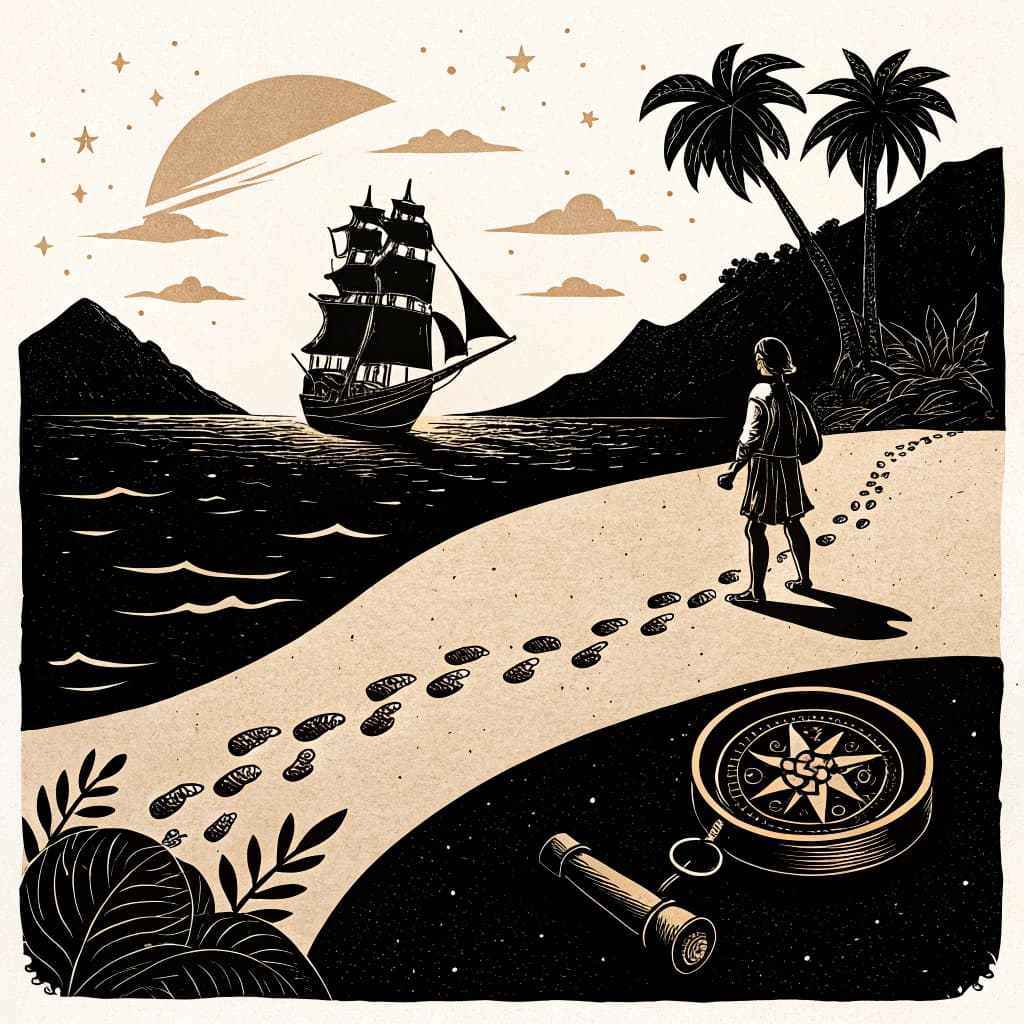
Macassan traders from Sulawesi in Indonesia sailed to Arnhem Land each wet season for over 200 years before British settlement. They harvested trepang, or sea cucumbers, from Yolngu waters and traded with Yolngu people for tortoise shell, pearlshell, and bush knowledge. This exchange introduced Yolngu to metal tools, dugout canoes, tamarind trees, and even words from Macassan languages into Yolngu dialects.
Aligned with AC9HASS4K01, this topic builds historical skills through evidence like tamarind groves, rock art, and oral stories. Students evaluate mutual trade benefits, analyze cultural exchanges, and consider influences on later European arrivals. It connects to First Nations perspectives and challenges Eurocentric views of history.
Active learning suits this topic well. Students handle replica artifacts, role-play negotiations, or map routes on large charts. These methods bring pre-colonial connections to life, foster empathy for Yolngu experiences, and make abstract timelines concrete through group collaboration.
Key Questions
- Evaluate the mutual benefits of the Macassan-Yolngu trade relationship.
- Analyze the cultural exchange evident in Macassan and Yolngu interactions.
- Predict how this pre-colonial contact might have influenced later European perceptions.
Learning Objectives
- Analyze the economic motivations behind Macassan trepang harvesting and Yolngu trade.
- Compare and contrast the cultural practices and technologies exchanged between Macassan and Yolngu peoples.
- Evaluate the long-term significance of Macassan-Yolngu interactions on Indigenous Australian societies.
- Explain the role of oral traditions and archaeological evidence in understanding pre-colonial trade.
Before You Start
Why: Students need a foundational understanding of the diversity and established cultures of Indigenous Australians before examining specific interactions.
Why: A general understanding of historical trade and exploration provides context for the specific Macassan-Yolngu relationship.
Key Vocabulary
| Trepang | A type of sea cucumber harvested from the ocean floor, highly valued as a food source and for medicinal purposes in East Asia. |
| Macassan | Refers to traders and sailors from the region of Makassar in Sulawesi, Indonesia, who traveled to northern Australia for centuries. |
| Yolngu | The Indigenous people of Arnhem Land in the Northern Territory of Australia, who engaged in trade and cultural exchange with the Macassans. |
| Dugout canoe | A boat made by hollowing out a large log, used by Macassan traders for their voyages and by Yolngu people after the exchange. |
| Cultural exchange | The reciprocal sharing of ideas, customs, technologies, and languages between different groups of people. |
Watch Out for These Misconceptions
Common MisconceptionAustralia had no contact with other cultures before Europeans.
What to Teach Instead
Archaeological evidence like tamarind trees and Yolngu loanwords shows Asian trade. Timeline-building activities in small groups help students sequence events and visualize pre-colonial connections accurately.
Common MisconceptionTrade only benefited Macassans.
What to Teach Instead
Both groups gained: Yolngu received tools and Yolngu aided trepang harvest. Role-play negotiations reveal mutual benefits, as students experience bargaining and defend their needs.
Common MisconceptionCultural exchange was minor.
What to Teach Instead
Exchanges shaped language, tools, and art. Artifact stations prompt peer discussions that correct underestimation by linking objects to daily Yolngu life.
Active Learning Ideas
See all activities→Role Play
Role-Play: Trade Negotiations
Divide class into Macassan traders and Yolngu groups. Provide replica goods like printed trepang images, shells, and tools. Pairs negotiate trades for 10 minutes, then share agreements in a class market debrief.
Stations Rotation
Evidence Hunt
Create four stations with photos of tamarind trees, canoe models, Yolngu art, and word lists. Groups spend 7 minutes per station noting evidence of exchange, then gallery walk to compare findings.
Concept Mapping
Trade Routes Activity
Provide outline maps of northern Australia and Indonesia. In pairs, students plot Macassan voyages using string and pins, label key sites, and discuss seasonal patterns based on teacher-provided clues.
Real-World Connections
- Museum curators at the National Museum of Australia use historical accounts and artifact analysis to interpret and display evidence of early trade routes, similar to how the Macassan-Yolngu connection is understood.
- Modern-day fishing industries in Southeast Asia continue to harvest and process sea cucumbers, a practice with deep historical roots traceable to the Macassan trade.
Assessment Ideas
Pose the question: 'Imagine you are a Yolngu elder in the year 1700. What are three benefits you have received from trading with the Macassans, and what are three things you have shared with them?' Facilitate a class discussion where students share their answers, encouraging them to use vocabulary like 'trepang', 'tools', and 'knowledge'.
Provide students with a small card. Ask them to write down one piece of evidence (e.g., tamarind trees, rock art, a specific word) that shows the Macassan and Yolngu people interacted. Then, ask them to explain in one sentence how this evidence helps us understand their relationship.
Display images of items traded (e.g., a replica metal axe head, a pearlshell, a picture of a dugout canoe). Ask students to write down which group (Macassan or Yolngu) likely introduced or valued each item, and briefly explain their reasoning.
Frequently Asked Questions
What evidence shows Macassan-Yolngu trade?
How can active learning help teach Macassan-Yolngu connections?
Why study this before British settlement?
What were the mutual benefits of the trade?
More in First Contacts and Ancient Cultures
First Nations: Land and Culture
Explore how Aboriginal and Torres Strait Islander peoples lived, traded, and managed Country for tens of thousands of years before European arrival.
8 methodologies
Early European Explorers: Motives and Journeys
Examine the motivations (trade, curiosity, empire) and early voyages of European explorers (Dutch, British, French) to Australia.
8 methodologies
First Encounters: Diverse Perspectives
Explore the initial meetings between European explorers and Aboriginal and Torres Strait Islander peoples, focusing on varied accounts.
8 methodologies
The Arrival of the First Fleet
Investigate the reasons for British colonisation, the journey of the First Fleet, and its arrival in 1788.
8 methodologies
Early Colonial Life and Adaptation
Examine the challenges and adaptations of early European settlers in the new colony, including food, shelter, and governance.
8 methodologies
Dispossession and Resistance
Explore the immediate consequences of European settlement for First Nations peoples, including dispossession of land, disease, and early acts of resistance.
8 methodologies