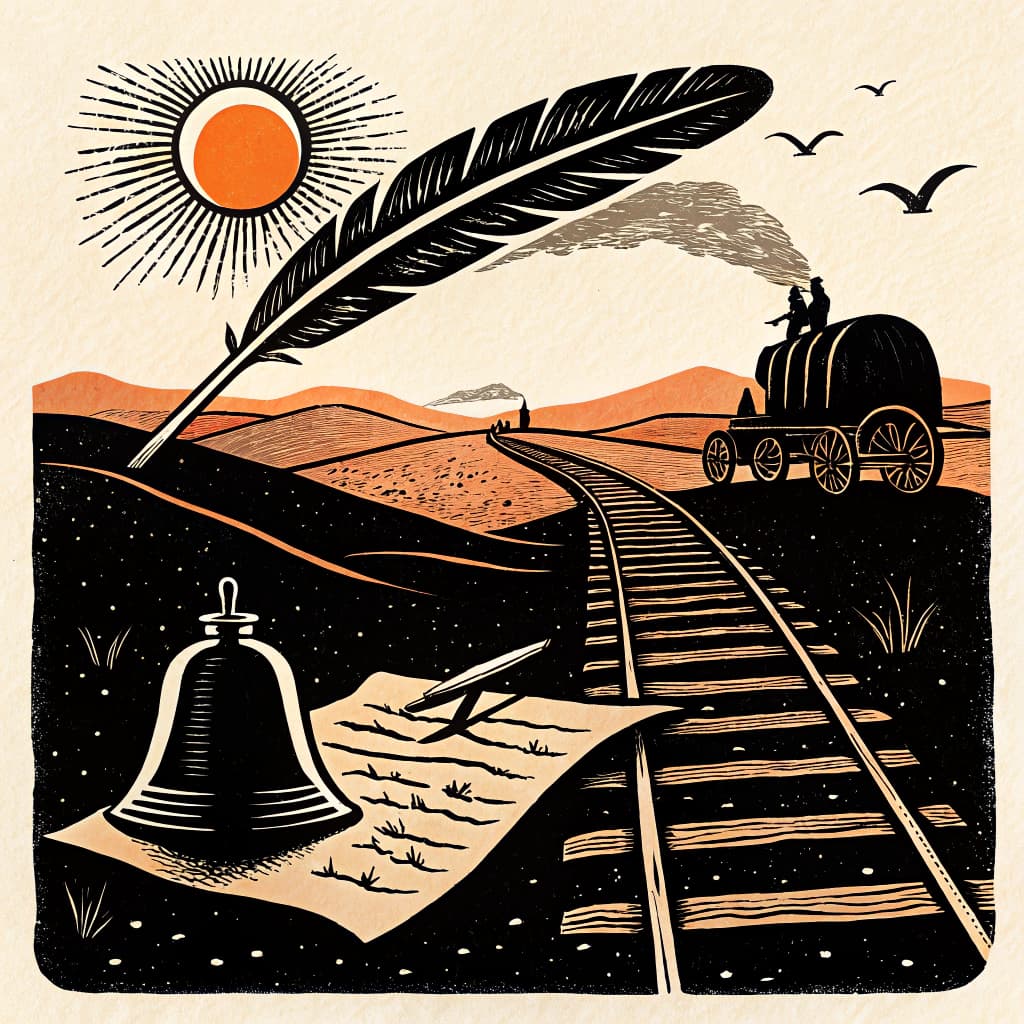
Resistance to Slavery & Cultural Preservation
Investigate various forms of resistance by enslaved people and their efforts to maintain cultural identity.
TL;DR:Active learning works because resistance and cultural preservation were lived experiences, not just historical events. When students analyze real scenarios, connect texts to human stories, and step into perspectives, they move beyond abstract facts to grasp the courage and strategy behind these acts.
About This Topic
Resistance to slavery was constant, varied, and embedded in the daily lives of enslaved people across the American colonies. Scholars identify multiple categories of resistance: everyday acts like feigning illness, slowing down work, or breaking tools; cultural resistance through maintaining African languages, religions, and naming practices; and more direct forms including running away, sabotage, and armed revolt. The Stono Rebellion (1739) and Gabriel's Conspiracy (1800) represent the most dramatic end of this spectrum, but historians emphasize that quieter, daily forms of resistance were far more pervasive and sustainable.
Equally important was the preservation of cultural identity despite systematic efforts to strip it away. Enslaved communities developed rich traditions blending African and American elements: the ring shout, syncretic religious practices, oral storytelling, and musical forms that would eventually shape American music as a whole. Spirituals, in particular, served dual purposes -- as expressions of faith and community and as coded communication. Songs like 'Follow the Drinking Gourd' are believed by some historians to have carried navigational information for those attempting escape.
Active learning is especially well-suited to this topic because students need to move beyond a narrative of pure victimhood to see the humanity, creativity, and agency of enslaved people. Structured inquiry and collaborative primary source analysis accomplish this more effectively than lecture alone.
Key Questions
- Analyze the different methods enslaved people used to resist their bondage.
- Explain how enslaved communities preserved aspects of their African cultures.
- Evaluate the significance of spirituals and oral traditions in maintaining hope and identity.
Learning Objectives
- Analyze primary source accounts to identify at least three distinct methods of resistance employed by enslaved people.
- Explain how enslaved communities utilized specific African traditions, such as naming conventions or religious practices, to preserve cultural identity.
- Evaluate the role of spirituals and oral traditions in fostering community resilience and maintaining hope among enslaved populations.
- Compare and contrast acts of overt resistance with forms of everyday cultural preservation within enslaved communities.
Before You Start
Why: Students need a foundational understanding of the forced migration and brutal conditions of the slave trade to comprehend the context of resistance and cultural preservation.
Why: Understanding the development of colonial economies and social structures, particularly the reliance on enslaved labor, provides the necessary background for studying resistance within those systems.
Key Vocabulary
| Everyday Resistance | Subtle, often daily actions taken by enslaved people to assert agency and undermine the system of slavery, such as feigning illness or damaging tools. |
| Cultural Preservation | The active efforts by enslaved people to maintain and transmit African languages, religious beliefs, music, and storytelling traditions to future generations. |
| Spirituals | Religious songs created by enslaved African Americans, often blending African musical elements with Christian themes, used for worship, community building, and sometimes coded communication. |
| Oral Traditions | The practice of passing down stories, history, and cultural knowledge through spoken word, essential for maintaining identity and collective memory in the absence of widespread literacy. |
| Agency | The capacity of individuals to act independently and make their own free choices, demonstrated by enslaved people through various forms of resistance and cultural maintenance. |
Watch Out for These Misconceptions
Common MisconceptionEnslaved people did not resist because they were too afraid.
What to Teach Instead
Resistance was constant across all eras and regions of American slavery. Fear was real, but it did not prevent resistance -- it shaped its forms. Most resistance was strategic and low-visibility precisely because of brutal consequences. Spectrum activities that classify different resistance types help students understand why quiet forms were most sustainable.
Common MisconceptionAfrican cultures were completely destroyed by slavery.
What to Teach Instead
While slavery caused tremendous cultural trauma and loss, enslaved communities actively preserved and adapted African cultural practices. Linguistic patterns, musical structures, religious syncretism, and naming traditions all reflect African heritage that survived in transformed forms. Primary source work with spirituals and oral traditions makes this resilience visible to students.
Common MisconceptionResistance was mainly about physical escape.
What to Teach Instead
The Underground Railroad is the most famous form of resistance but represents only one type. Cultural preservation, spiritual practice, work slowdowns, and community solidarity were more widespread. Jigsaw activities that examine multiple resistance strategies help students build a fuller picture of how agency was exercised under extreme constraint.
Active Learning Ideas
See all activities→Museum Exhibit
Spectrum Line: Classifying Resistance
Write different acts of resistance on cards (slowing work, running away, armed revolt, maintaining African language, spiritual singing). Students physically place them on a spectrum from most visible to most hidden and from least risk to greatest risk, then discuss why the distribution looks the way it does.
Museum Exhibit
Close Reading: Spirituals as Resistance
Students analyze the lyrics of two spirituals, looking for layers of meaning -- surface religious meaning and potential coded meanings. In pairs they discuss what the songs communicated to different audiences and why maintaining these traditions was an act of cultural resistance.
Jigsaw
Resistance Stories
Assign groups one of three resistance cases (Stono Rebellion, Harriet Tubman's network, day-to-day resistance practices). Each group becomes expert on their case and teaches it to peers from other groups, then the full class discusses what the cases share and how they differ.
Real-World Connections
- Historians specializing in African American studies at institutions like the Schomburg Center for Research in Black Culture analyze slave narratives and plantation records to understand resistance strategies.
- Musicians and folklorists continue to study the impact of spirituals and African-influenced musical forms on contemporary genres like jazz, blues, and gospel music, preserving this rich cultural heritage.
Assessment Ideas
Students will receive a card with a scenario depicting an act of resistance or cultural preservation. They must identify the type of resistance (e.g., everyday, cultural, overt) and explain how it demonstrates agency or preserves identity.
Facilitate a class discussion using the prompt: 'Beyond outright rebellion, what were the most significant ways enslaved people maintained their humanity and cultural identity? Provide specific examples from our study.'
Present students with short excerpts from primary sources (e.g., a description of a work slowdown, a mention of a religious ceremony). Ask students to write one sentence explaining the purpose or meaning of the action described in the excerpt.
Frequently Asked Questions
What methods did enslaved people use to resist slavery?
How did enslaved communities preserve African cultural traditions?
What role did spirituals play in enslaved communities?
How does active learning help students understand resistance to slavery?
More in Colonial Foundations & Tensions
Early European Exploration & Contact
Examine the motivations and impacts of early European exploration on indigenous populations and the environment.
8 methodologies
Jamestown & Early English Settlements
Investigate the challenges and successes of the first permanent English colony, Jamestown, and its impact on Native Americans.
8 methodologies
Pilgrims, Puritans & New England Colonies
Explore the religious motivations behind the settlement of New England and the development of its distinct society and government.
8 methodologies
Middle & Southern Colonies: Diversity & Economy
Examine the unique characteristics, economies, and social structures of the Middle and Southern colonial regions.
8 methodologies
Colonial Self-Government & Early Democracy
Investigate the origins of representative government in the colonies, including the House of Burgesses and town meetings.
8 methodologies
The Transatlantic Slave Trade & Middle Passage
Explore the brutal realities of the Atlantic slave trade, the Middle Passage, and its devastating impact on Africa and the Americas.
8 methodologies