India · CBSE Learning Outcomes
Class 6 Social Science
Class 6 Social Science: a first encounter with formal history, geography, and civics. Students explore the earliest human societies, the Harappan civilisation, Earth's landforms and environment, and ideas of diversity and local governance.
01Our Pasts: The Earliest Societies
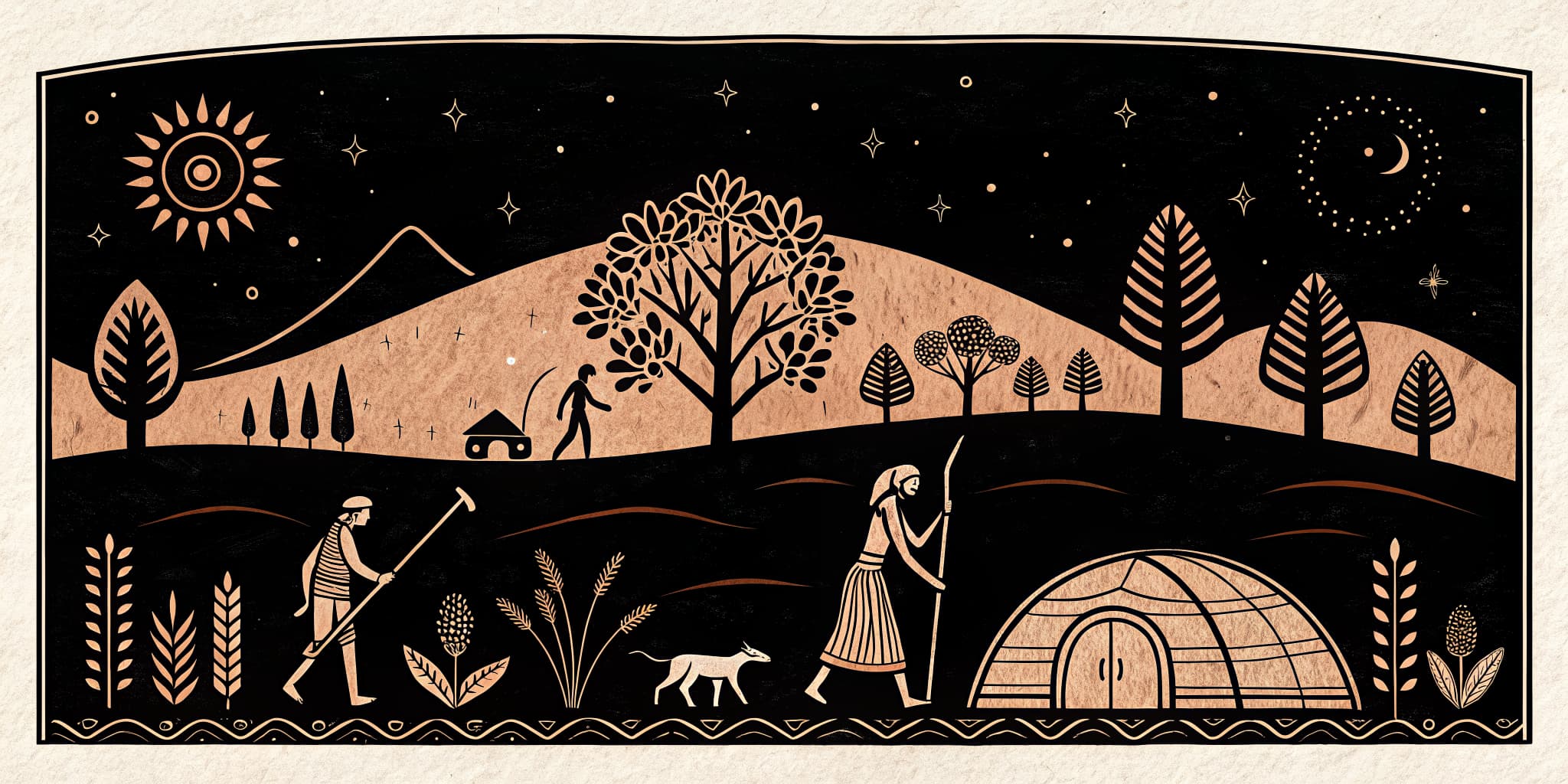
Exploring the transition of humans from nomadic hunter-gatherers to settled agriculturists and the discovery of vital resources.
Students will analyze the daily routines and survival strategies of early humans who relied on hunting and gathering.
Students will examine the types of stone tools used by early humans and infer their purposes and evolution.
Students will investigate the significance of fire for early human societies, including its impact on diet, protection, and social life.
Students will interpret the meanings and purposes behind prehistoric rock paintings found in sites like Bhimbetka.
Students will learn how archaeologists uncover and interpret artifacts, fossils, and other remains to reconstruct the past.
Students will explore the shift from hunting and gathering to systematic agriculture and its profound impact on human societies.
Students will investigate which animals and plants were first domesticated and the methods used by early farmers.
02The First Cities and Early Civilisations
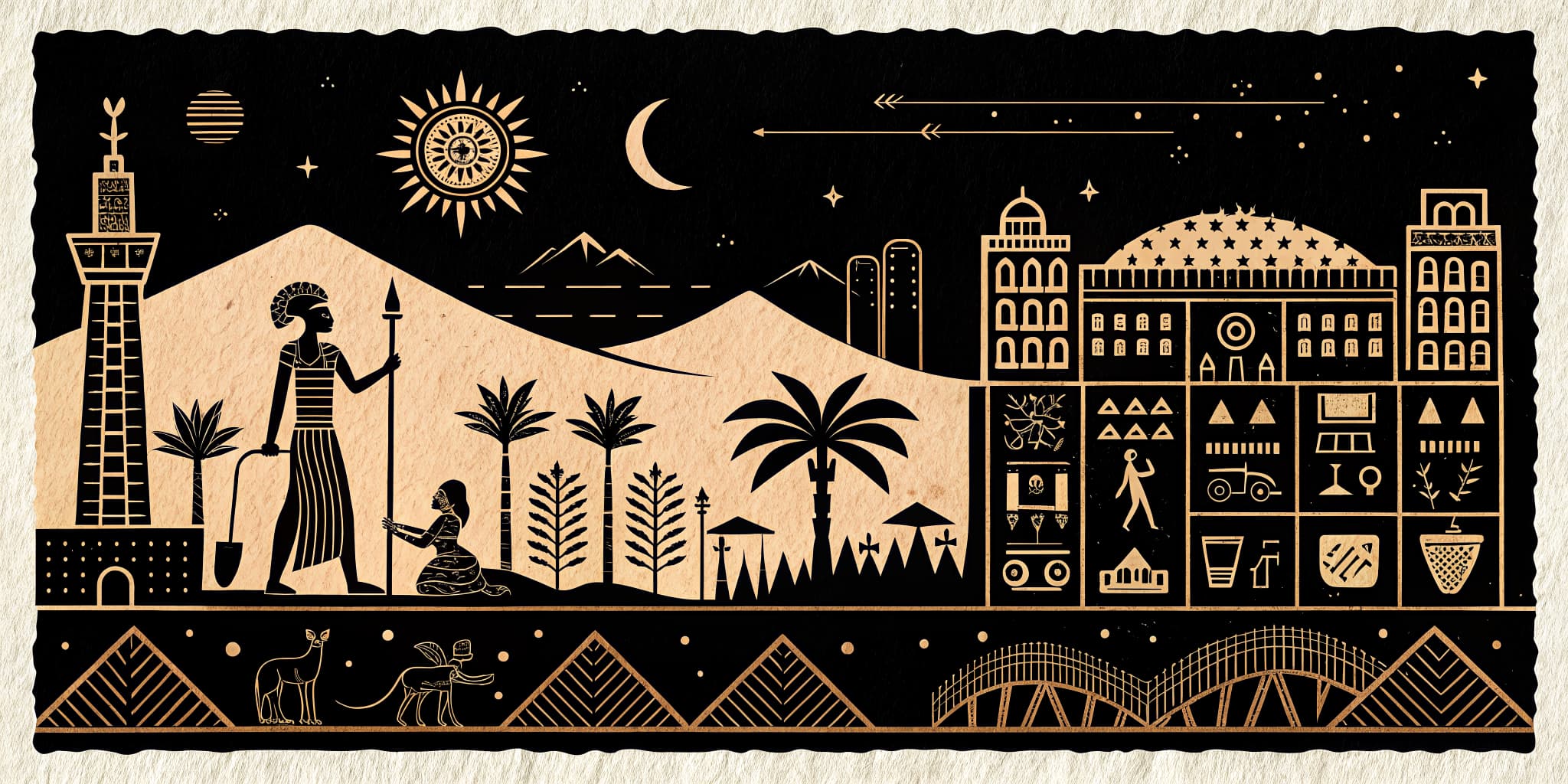
The Harappan (Indus Valley) civilisation and the emergence of organized urban living.
Students will analyze the sophisticated layout, drainage systems, and public structures of cities like Mohenjo-daro and Harappa.
Students will investigate the daily life, occupations, and economic activities of the people living in the Indus Valley Civilization.
Students will explore the evidence of Harappan trade with other civilizations and the goods exchanged.
Students will examine the Harappan seals and script, discussing the challenges and potential insights if it were deciphered.
Students will study the artifacts, pottery, sculptures, and jewelry of the Harappan civilization to understand their artistic expressions.
Students will infer the religious beliefs of the Harappan people based on archaeological evidence, including seals, figurines, and burial practices.
03Vedic Age, New Ideas, and Empires
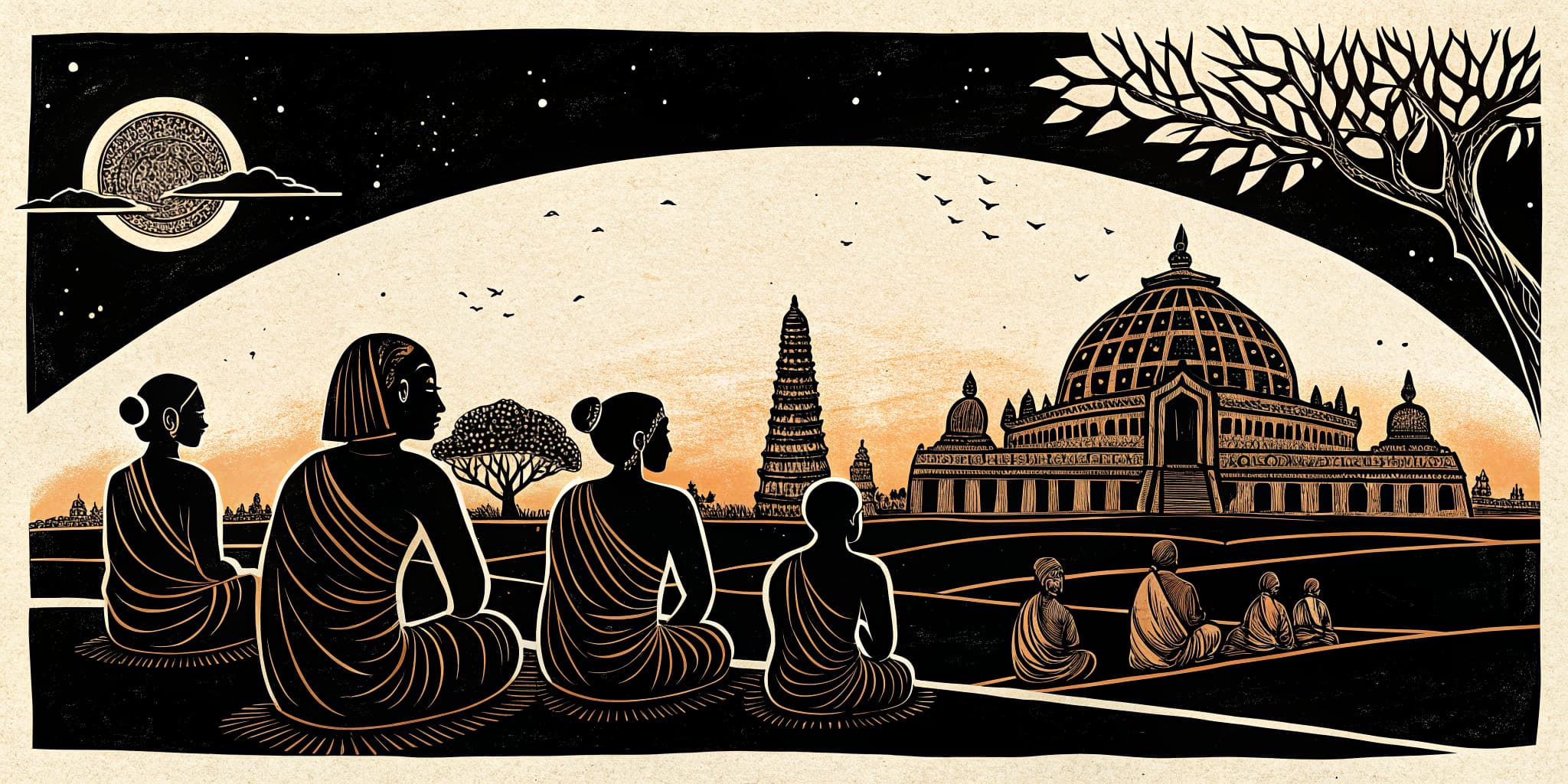
The evolution of social structures, the birth of Buddhism and Jainism, and the first great Indian empire.
Students will explore the social, economic, and religious life of the Early Vedic period, focusing on the Rig Veda.
Students will examine the development of the Varna system, the rise of kingdoms, and the shift towards agriculture in the Later Vedic Age.
Students will learn about the life of Siddhartha Gautama and the core principles of Buddhism, including the Four Noble Truths and the Eightfold Path.
Students will explore the life and teachings of Mahavira, focusing on the principles of Ahimsa (non-violence) and asceticism in Jainism.
Students will study the formation of the sixteen great kingdoms (Mahajanapadas) and the political landscape of ancient India.
Students will investigate the reasons behind Magadha's dominance and its transformation into the first major empire in India.
Students will learn about the founder of the Mauryan Empire, its vast administration, and the role of Kautilya's Arthashastra.
Students will study Emperor Ashoka's reign, his conversion to Buddhism after the Kalinga War, and the spread of his Dhamma.
Students will explore the distinctive art and architectural styles of the Mauryan period, including pillars, stupas, and rock-cut caves.
Students will be introduced to the Chola, Chera, and Pandya kingdoms and their contributions to trade and culture.
Students will trace the ancient trade routes, particularly the Silk Route, and understand the exchange of goods, ideas, and cultures.
04The Earth: Our Habitat
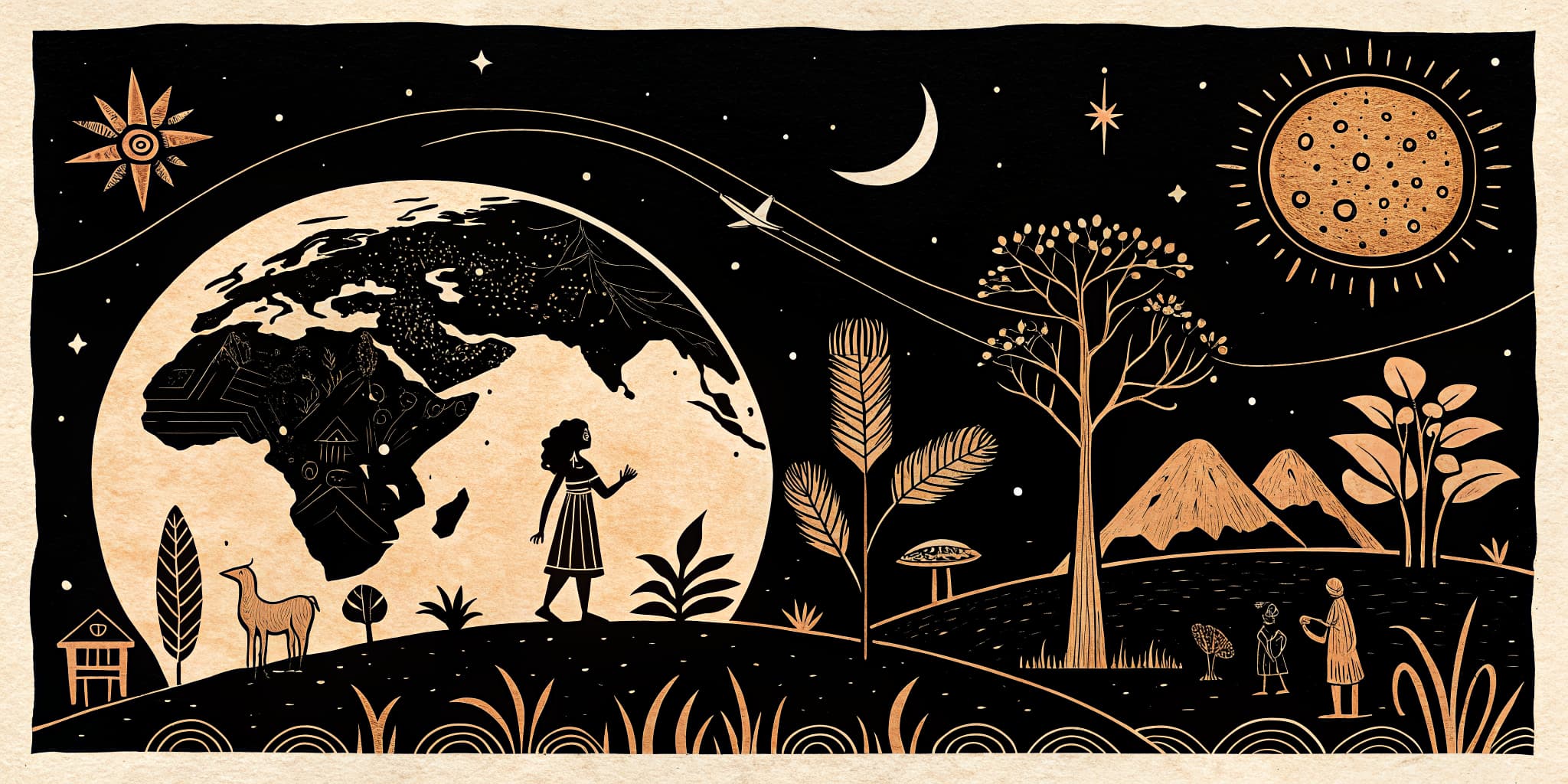
Understanding our planet's position in space, its movements, and its diverse physical features.
Students will identify Earth's position relative to other planets and celestial bodies, understanding its unique conditions for life.
Students will learn about the concept of latitudes, important parallels, and their role in determining climate zones.
Students will explore longitudes, the Prime Meridian, and their application in calculating time zones and locating places.
Students will investigate the Earth's rotation on its axis and its direct consequence: the cycle of day and night.
Students will understand the Earth's revolution around the sun and how the tilt of its axis causes the changing seasons.
Students will develop skills in reading various types of maps, understanding symbols, scales, and cardinal directions.
Students will differentiate between physical, political, and thematic maps and understand their specific applications.
Students will explore the Earth's solid outer layer, focusing on the formation and characteristics of mountains, plateaus, and plains.
Students will learn about the Earth's water bodies, including oceans, rivers, lakes, and their importance to life.
Students will investigate the layers of the atmosphere, its composition, and its role in weather and climate patterns.
Students will understand the biosphere as the narrow zone where land, water, and air interact to support life.
05India: Climate, Vegetation and Wildlife
The natural environment of India and the importance of conservation.
Students will explore the geographical factors such as latitude, altitude, distance from the sea, and relief that shape India's climate.
Students will understand the mechanism of the monsoon winds, their importance for Indian agriculture, and the concept of retreating monsoon.
Students will identify and describe the major types of natural vegetation found in India, from tropical rainforests to desert vegetation.
Students will explore the ecological and economic benefits of forests, including their role in climate regulation, biodiversity, and resource provision.
Students will learn about the rich variety of animal species found in India, including endangered species and their habitats.
Students will investigate the measures taken to protect India's wildlife, such as National Parks, Wildlife Sanctuaries, and Biosphere Reserves.
Students will examine how human communities in different parts of India adapt their lifestyles, housing, and occupations to their natural environment.
06Social and Political Life: Diversity
Exploring the richness of Indian diversity and the challenges of inequality.
Students will explore the various forms of diversity in India, including language, religion, culture, and regional differences.
Students will define prejudice and stereotypes, examining how they are formed and their negative impact on individuals and society.
Students will investigate the concept of discrimination, its various forms (e.g., caste, gender, economic), and its consequences.
Students will study the life and contributions of Dr. B.R. Ambedkar, focusing on his role in drafting the Indian Constitution and his advocacy for social equality.
Students will examine societal gender roles and stereotypes, discussing their origins and how they limit individual potential.
Students will define government, understand its necessity, and explore different forms of government, focusing on democracy.
Students will explore the key elements of a democratic government, including citizen participation, rule of law, and conflict resolution.
07Local Government and Livelihoods
How local areas are managed and how people earn their living in rural and urban India.
Students will learn about the structure and functions of the Gram Sabha and Gram Panchayat as the foundation of rural local self-government.
Students will investigate the various development and welfare activities undertaken by the Panchayati Raj institutions in rural areas.
Students will understand the roles of the Patwari in maintaining land records and the police in maintaining law and order in rural areas.
Students will learn about the structure and responsibilities of Municipal Corporations in managing large cities, including sanitation, water supply, and public health.
Students will understand the roles of elected Ward Councillors and the administrative staff in the functioning of urban local bodies.
Students will explore the diverse ways people earn a living in rural areas, focusing on farming, animal husbandry, and fishing.
Students will investigate non-agricultural occupations in rural areas, such as crafts, weaving, and small businesses, and their contribution to the rural economy.
Students will differentiate between various urban occupations, including street vendors, factory workers, and office professionals, and the sectors they belong to.
Students will trace the movement of goods from producers to consumers, exploring different types of markets (weekly, wholesale, retail).