India · CBSE Learning Outcomes
Class 11 History
Class 11 History: Themes in World History. An in-depth study of early societies, empires, changing cultural traditions, paths to modernisation, the displacement of indigenous peoples, and the Industrial Revolution. Students engage with primary sources and historiographical debate.
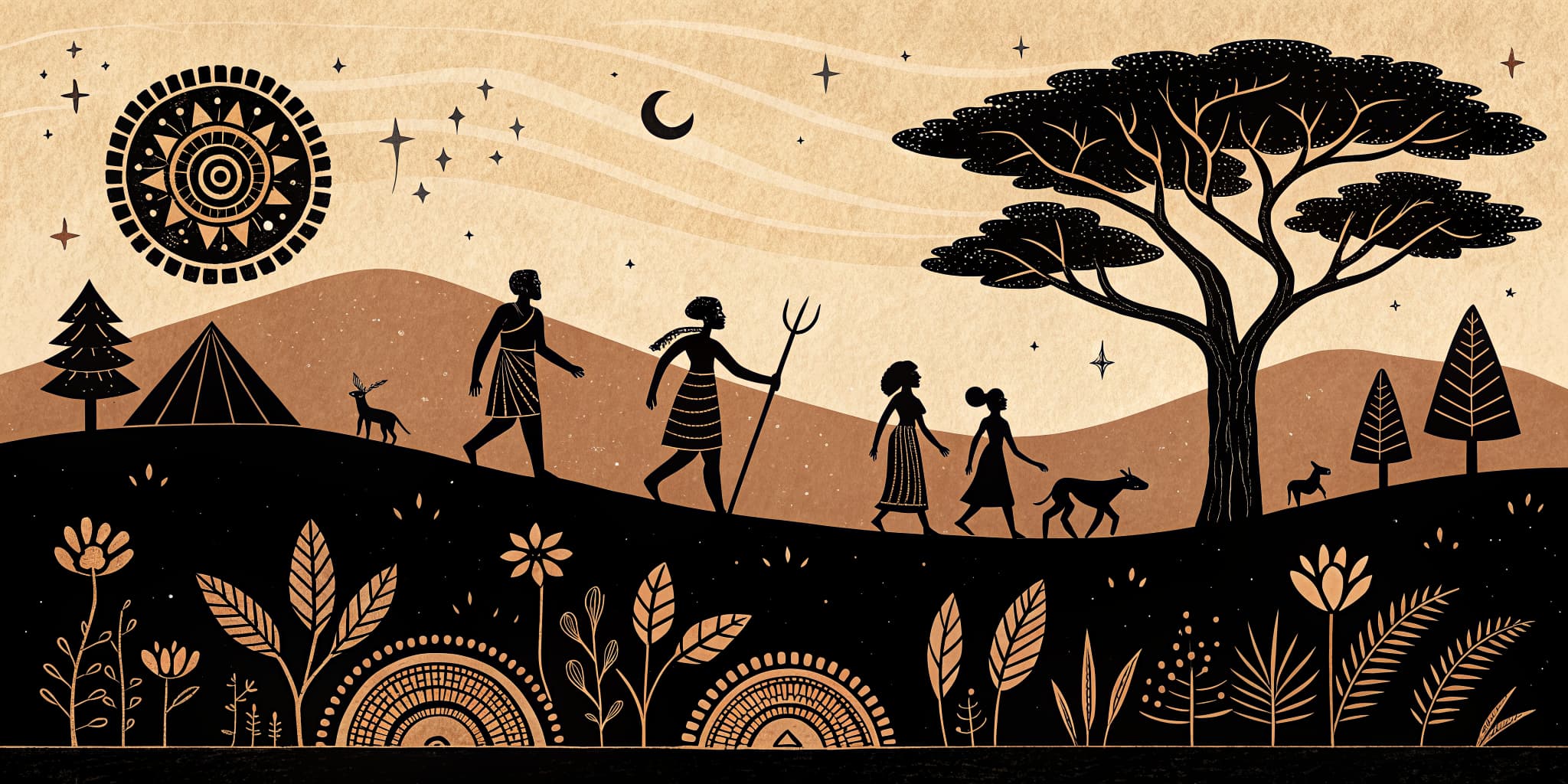
01Early Societies and the Dawn of Civilization
Exploring the transition from nomadic hunter-gatherer groups to settled agricultural communities and the birth of urban life in Mesopotamia.
Students will analyze fossil evidence to understand the biological and cultural evolution of early humans, focusing on key adaptations.
Students will examine changes in stone tool technology and interpret the symbolic meaning of Paleolithic cave art.
Students will explore the technological and social changes during the Mesolithic period, bridging the gap between Paleolithic and Neolithic eras.
Students will investigate the origins and initial impact of agriculture, including the domestication of plants and animals in the Fertile Crescent.
Students will examine the characteristics of early Neolithic settlements, using Catalhoyuk as a case study for social organization and daily life.
Students will explore the geographical features of Mesopotamia and their influence on the development of early urban centers.
Students will investigate the social stratification, monumental architecture, and temple-centered economy of early Uruk.
Students will trace the evolution of cuneiform writing from early tokens to a complex script used for administration and literature.
Students will analyze the Code of Hammurabi to understand the legal structures and social hierarchies of the Old Babylonian Empire.
Students will explore the polytheistic beliefs, rituals, and myths of ancient Mesopotamia, including their impact on daily life and governance.
Students will examine the rise and fall of the Neo-Assyrian Empire, focusing on its military innovations and administrative techniques.
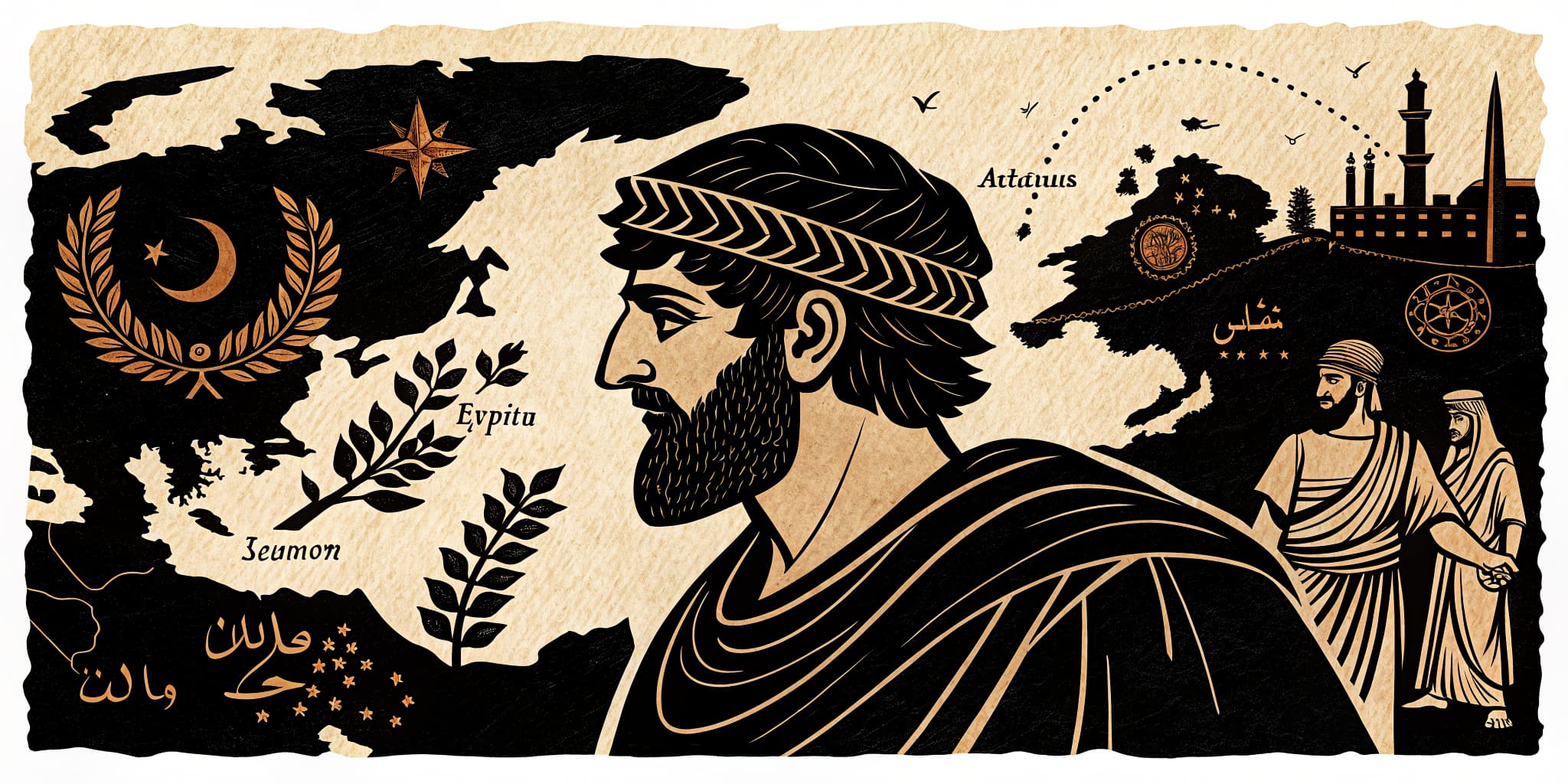
02Empires Across Continents
A comparative study of the Roman Empire and the Iranian (Sasanian) Empire, and the rise of the Islamic Caliphate.
Students will analyze the political transition from the Roman Republic to the Principate under Augustus.
Students will explore the social hierarchy, family structures, and daily routines of Roman citizens and non-citizens.
Students will examine the institutionalized nature of slavery and its role in the Roman villa system and urban production.
Students will investigate the period of Roman peace and prosperity, and the internal and external challenges that eventually led to its decline.
Students will analyze the period of political instability, civil wars, and economic collapse that nearly destroyed Rome, and Diocletian's reforms.
Students will explore the rise of Christianity within the Roman Empire, Constantine's conversion, and the division of the empire.
Students will examine the Sasanian Empire, its Zoroastrian identity, and its rivalry with the Roman and Byzantine Empires.
Students will examine the socio-religious context of 7th-century Arabia and the life and teachings of Prophet Muhammad.
Students will study the expansion of the Islamic empire under the Umayyads and their administrative centralization in Damascus.
Students will explore the shift of the capital to Baghdad and the flourishing of science and philosophy during the Islamic Golden Age.
Students will examine the distinctive features of Islamic art, architecture, and the contributions of Islamic scholars to various fields.
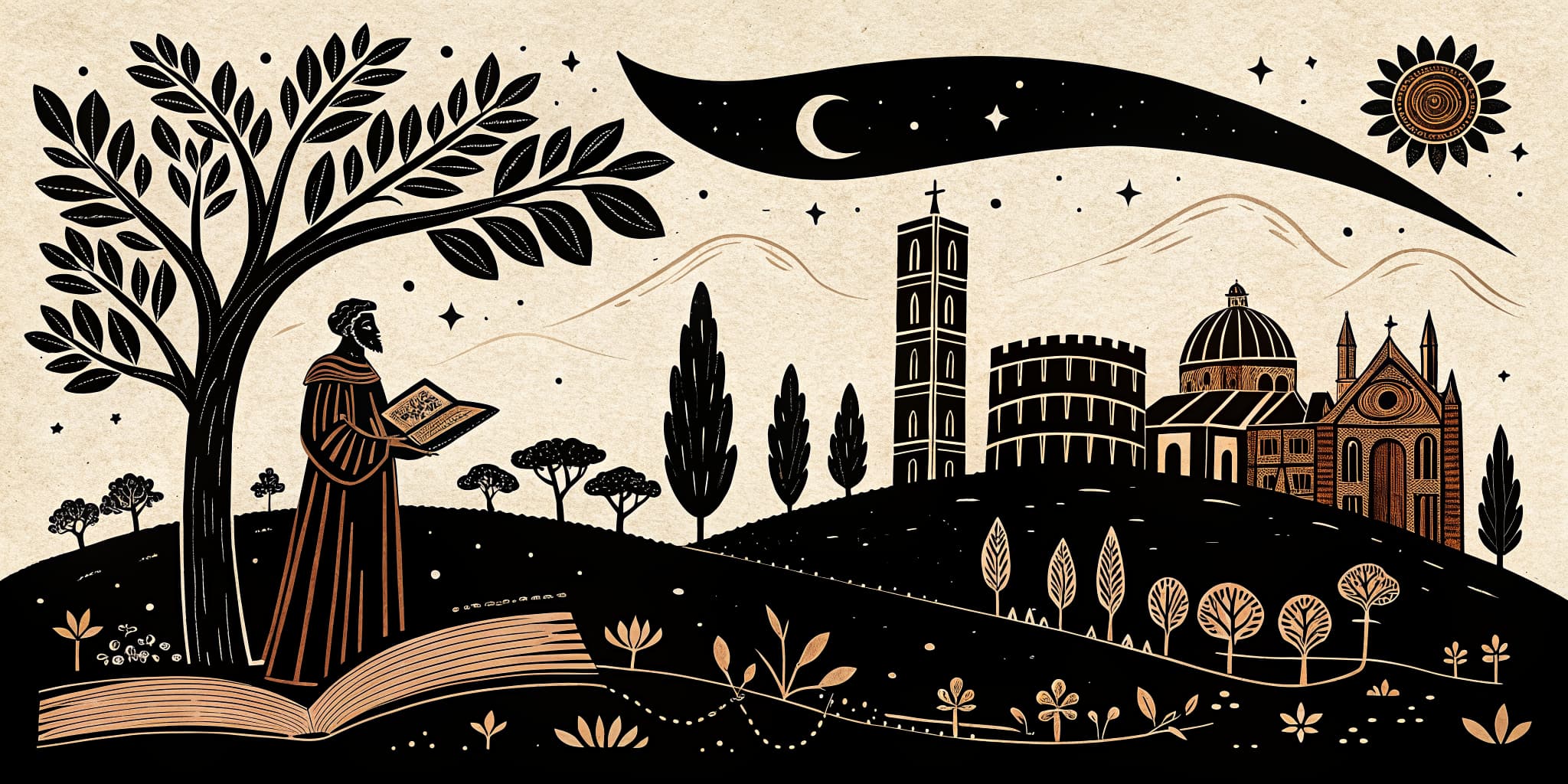
03Changing Cultural Traditions
The transition from the medieval world to the modern era through the lens of European cultural and religious shifts.
Students will analyze the Black Death, climate change, and peasant revolts that undermined the feudal order in 14th-century Europe.
Students will investigate the rise of Florence, Venice, and Rome as centers of wealth and artistic patronage, fostering the Renaissance.
Students will explore the intellectual movement of Humanism, focusing on human potential and the study of classical texts.
Students will examine the key characteristics and innovations in Renaissance art and architecture, including perspective and realism.
Students will analyze Martin Luther's 95 Theses and the theological break with the Roman Catholic Church.
Students will explore the spread of Protestant ideas beyond Germany, focusing on John Calvin's theology and its impact on Geneva and beyond.
Students will examine the Council of Trent and the efforts of the Jesuits to revitalize the Catholic Church in response to the Reformation.
Students will trace the shift from geocentrism to heliocentrism through the contributions of Copernicus, Kepler, and Galileo.
Students will explore advancements in human anatomy and medicine during the Scientific Revolution, focusing on figures like Vesalius and Harvey.
Students will examine the core ideas of the Enlightenment, including reason, individualism, and skepticism, and their impact on political thought.
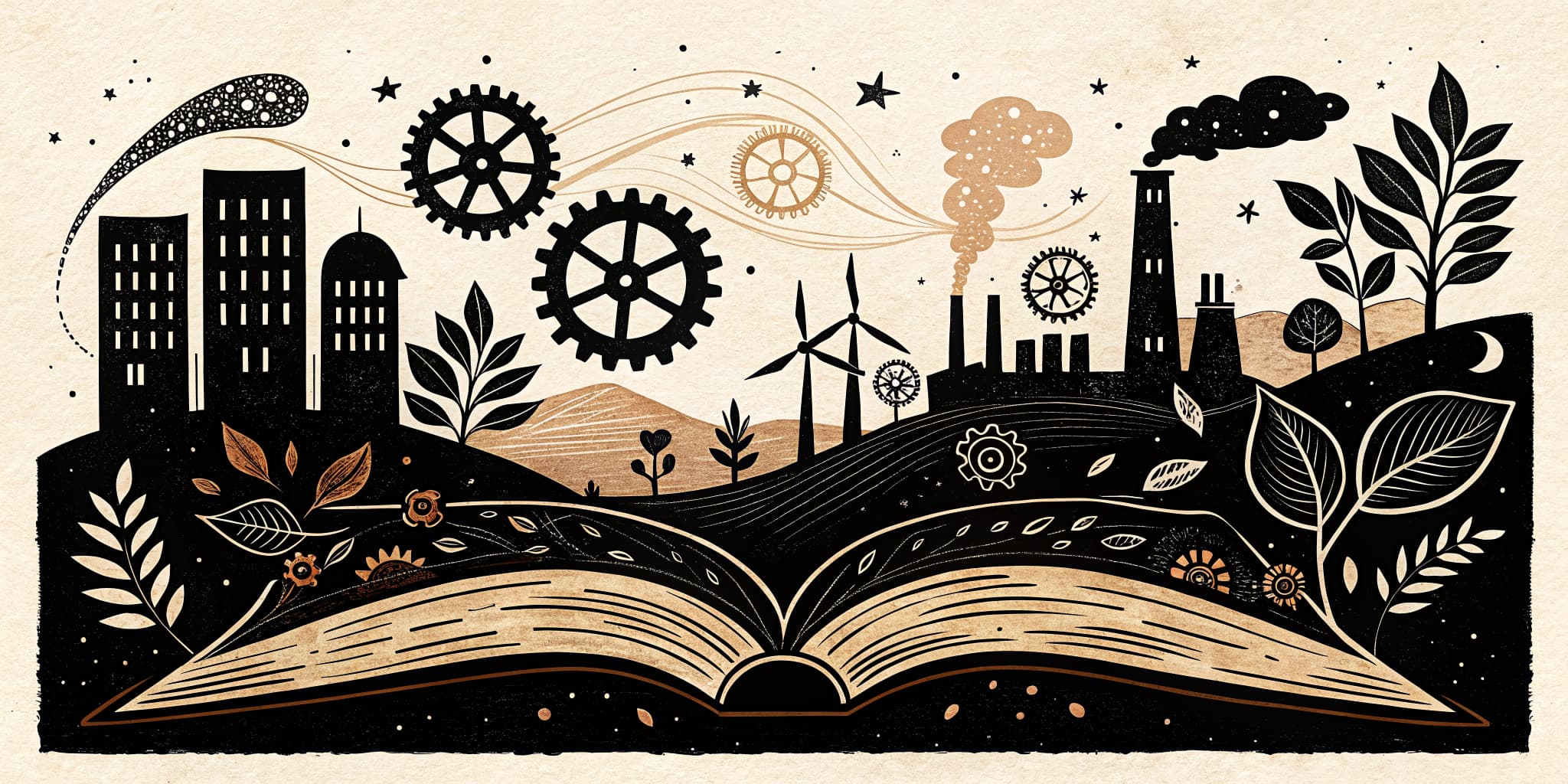
04Confronting Modernity
The industrial transformation of the world and the displacement of indigenous cultures by European expansion.
Students will investigate the unique combination of resources, geography, and capital that initiated the Industrial Revolution in Britain.
Students will examine the technological advancements in textile production and the emergence of the factory system.
Students will explore the impact of Watt's steam engine and the development of railways on global connectivity and industry.
Students will investigate the social impact of the factory system, focusing on living conditions, labor movements, and early reforms.
Students will examine early critiques of industrial capitalism and the emergence of socialist ideologies, including utopian socialism and Marxism.
Students will study the westward expansion of the United States and its devastating impact on indigenous populations.
Students will examine the British settlement of Australia and the dispossession of Aboriginal peoples under the doctrine of 'Terra Nullius'.
Students will investigate the impact of gold discoveries in California and Australia on global population movements and frontier societies.
Students will analyze the forced opening of China through the Opium Wars and the subsequent decline of the Qing Dynasty.
Students will examine Japan's rapid modernization and the end of the Tokugawa Shogunate during the Meiji Restoration.

05Modern Revolutions and Political Ideologies
The ideological foundations of the modern world, from the French Revolution to the rise of Totalitarianism.
Students will analyze the collapse of the Ancien Régime and the initial phases of the French Revolution.
Students will examine the radical phase of the French Revolution, including the Jacobins, the Reign of Terror, and the subsequent Directory.
Students will study the rise of Napoleon Bonaparte and his domestic reforms, including the Napoleonic Code.
Students will examine Napoleon's military campaigns and how resistance to his empire sparked nationalism across Europe.
Students will analyze the post-Napoleonic settlement, the principles of conservatism, and the attempt to restore the balance of power in Europe.
Students will investigate the widespread revolutionary movements across Europe in 1848, their causes, and their varied outcomes.
Students will study the processes of national unification in Germany and Italy, focusing on key figures like Bismarck and Garibaldi.
Students will investigate the factors leading to the fall of the Romanovs and the February Revolution.
Students will examine Lenin's 'April Theses', the Bolshevik seizure of power, and the subsequent Russian Civil War.
Students will analyze the post-WWI crisis and the emergence of Fascism under Benito Mussolini in Italy.
Students will investigate the factors contributing to Hitler's rise to power, including the Treaty of Versailles and economic depression.

06Global Conflicts and the Search for Peace
The two World Wars and the subsequent efforts to create a stable international order.
Students will analyze the complex causes of World War I, including nationalism, imperialism, militarism, and the alliance system.
Students will examine the nature of trench warfare and the impact of new technologies on combat during World War I.
Students will explore how entire societies were mobilized for war, including the roles of women and propaganda on the home front.
Students will analyze the terms of the Treaty of Versailles and its role in shaping the interwar period and future conflicts.
Students will examine the attempt to create a system of collective security through the League of Nations in the interwar period.
Students will investigate the causes and global consequences of the Great Depression, including its political and social ramifications.
Students will study the causes and key turning points of World War II in the European theater, including the Blitzkrieg and D-Day.
Students will examine the causes and key events of World War II in the Pacific, including Pearl Harbor and island hopping.
Students will study the systematic persecution and extermination of Jews and other groups by the Nazi regime, and the concept of genocide.

07The Post-War World and Decolonization
The emergence of the Cold War, the end of formal empires, and the rise of new global challenges.
Students will analyze the ideological struggle between the USA and the USSR, focusing on its origins and the policy of containment.
Students will examine key Cold War crises like the Cuban Missile Crisis and proxy conflicts in Korea and Vietnam.
Students will study the process of gaining independence from European colonial rule in India and Southeast Asia.
Students will explore the decolonization of African nations and the formation of the Non-Aligned Movement.
Students will examine the geopolitical importance of the Middle East, the discovery of oil, and the Arab-Israeli conflict.
Students will analyze Gorbachev's reforms (Glasnost and Perestroika) and the collapse of communism in Eastern Europe and the USSR.
Students will explore the integration of global markets, the digital revolution, and the cultural backlash against globalization.
Students will study the institutionalized racism of the Apartheid system and the victory of the ANC in South Africa.
Students will trace India's journey from independence, through economic reforms, to its emergence as a global economic power.