India · CBSE Learning Outcomes
Class 2 Environmental Studies
Class 2 EVS: a comprehensive exploration of the natural world, our bodies, safety, community helpers, and the environment we live in.
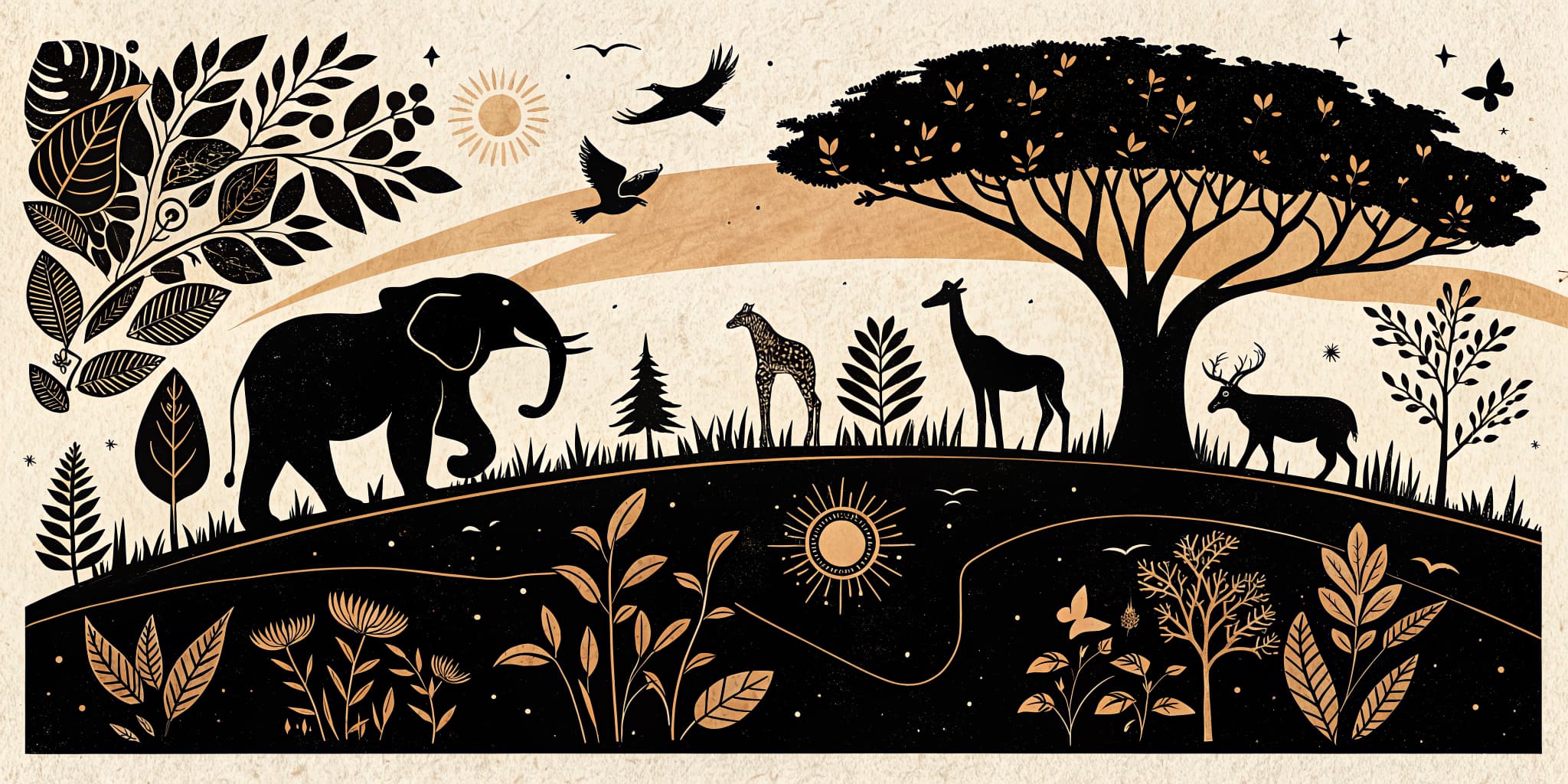
01The World of Living Things
Understanding the diversity of animals and plants, their habitats, life cycles, and how they provide for human needs.
Exploring the different homes of animals: a bird's nest, a dog's kennel, a fish in water, and a cow in a shed, and why they are suited to their environment.
Learning that some animals eat grass, some eat insects, some eat other animals, and some eat many things, categorizing them by diet.
How animals take care of their babies: a hen sitting on eggs, a cow feeding her calf, a cat carrying her kittens, focusing on parental roles.
Identifying roots, stems, leaves, flowers, and fruits, and understanding what each part does for the plant's survival and growth.
How plants give us food, cotton for clothes, wood for furniture, and even medicines like tulsi and neem, highlighting their economic and practical value.
Understanding the basic stages of a plant's life cycle, from a tiny seed growing into a mature plant.
Identifying common domestic animals and understanding how they help humans, such as providing milk, eggs, or companionship.
Learning about wild animals, their natural habitats, and why it's important to protect them and their environments.
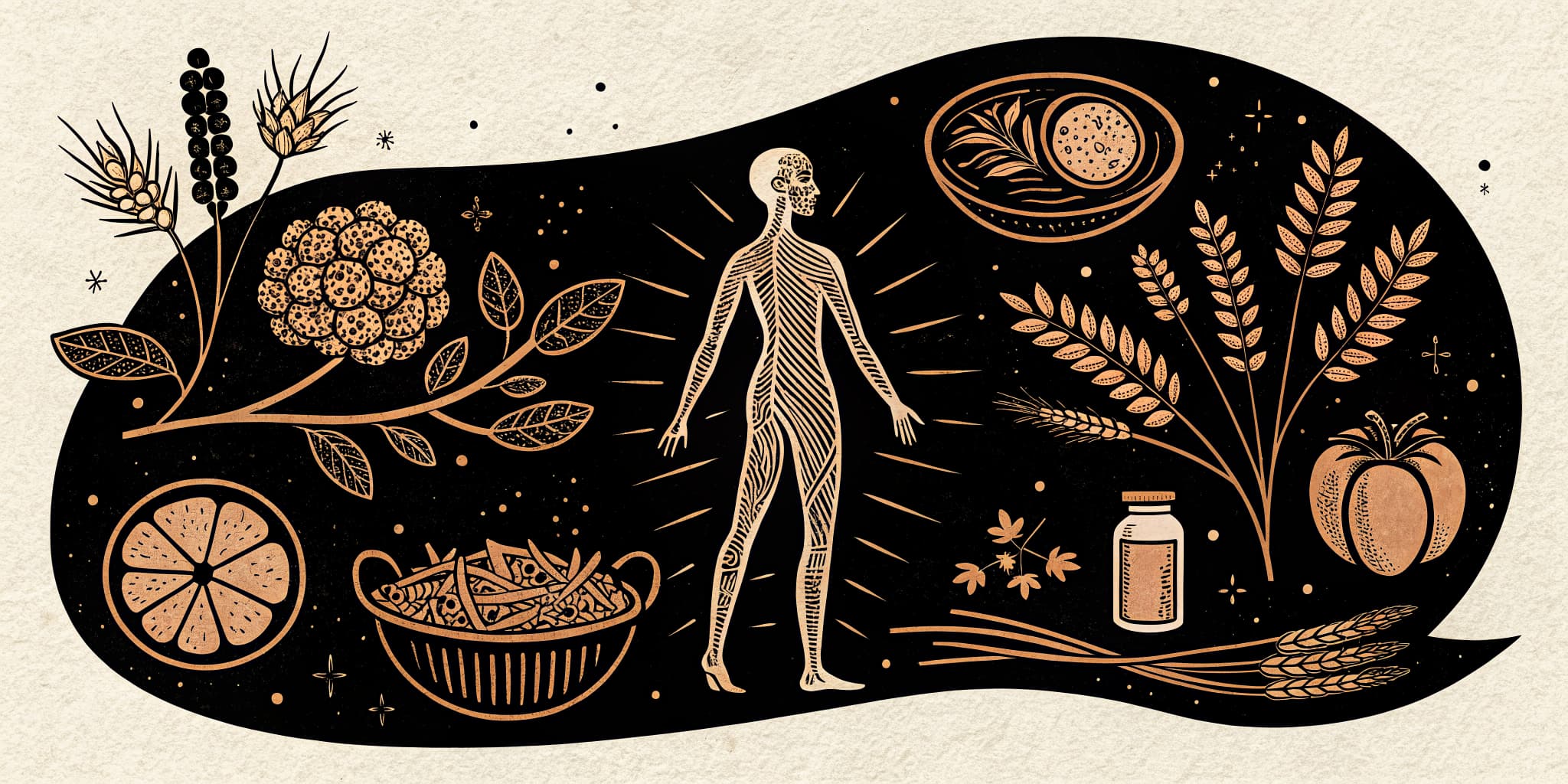
02My Body and Healthy Habits
Focusing on human anatomy, the five senses, personal hygiene, and the importance of nutritious food.
A simple introduction to what happens inside our bodies: the heart pumping blood, lungs breathing, and the brain thinking, using basic models.
How we use our eyes, ears, nose, tongue, and skin to explore and understand the world around us through hands-on activities.
The importance of brushing teeth, bathing, clipping nails, and washing hands to stay healthy, demonstrating proper techniques.
Differentiating between healthy food like fruits and vegetables and junk food, and the importance of a balanced meal for energy and growth.
Understanding why physical activity is important for strong bodies and minds, and the necessity of adequate sleep.
Teaching children about appropriate and inappropriate touch, and how to seek help if they feel unsafe or uncomfortable.
A basic understanding of germs, how they spread, and simple ways to prevent sickness like handwashing and covering coughs.
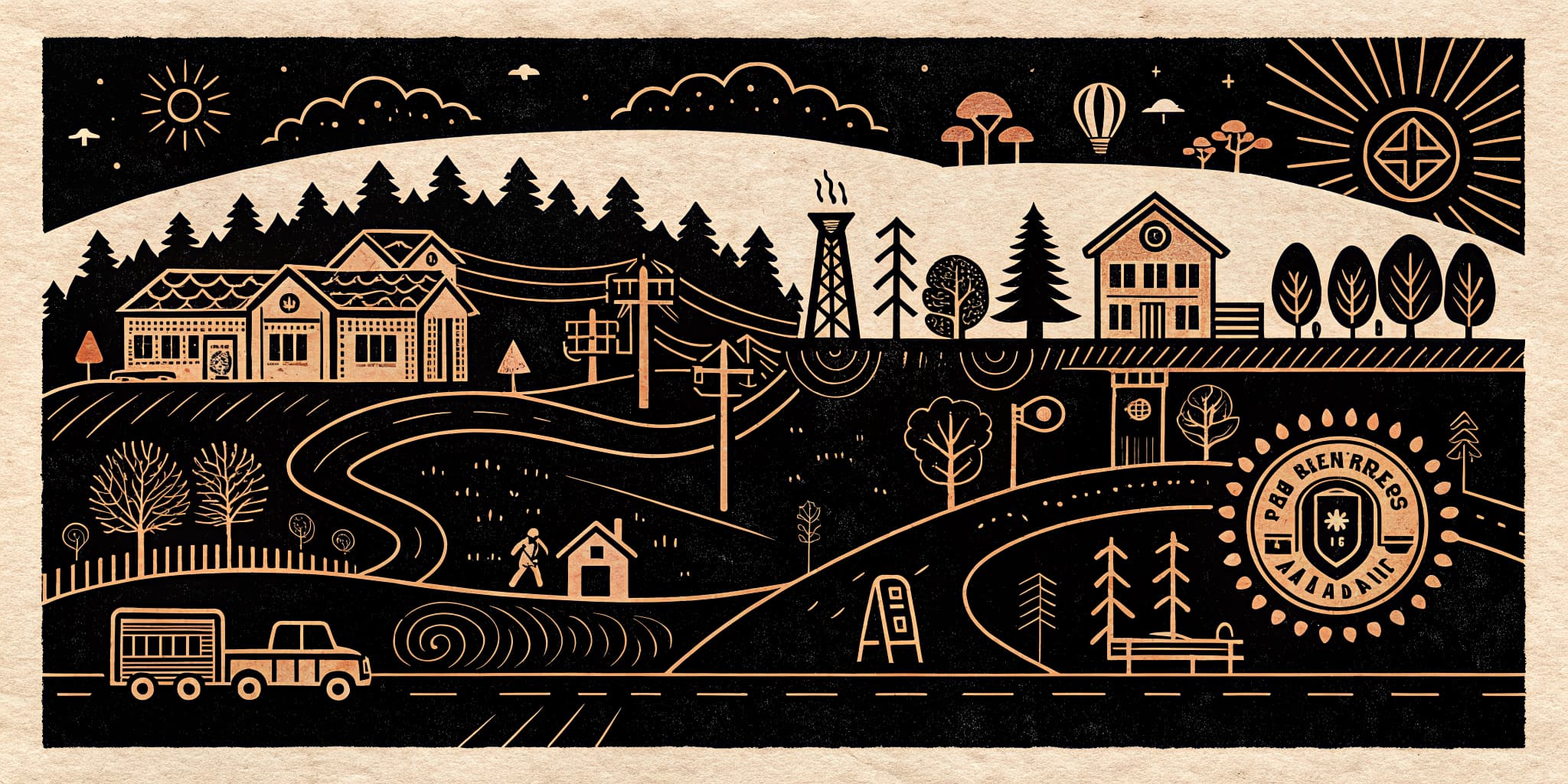
03Our Neighborhood and Safety
Exploring the places around us, the people who help us, and how to stay safe on the road and at home.
Learning about the roles of doctors, teachers, police officers, postmen, and farmers in our community and how they contribute.
Identifying important locations like the park, hospital, market, school, and bank, and understanding their purpose.
Understanding traffic lights, walking on the footpath, and using zebra crossings to stay safe on the road.
Learning about not playing with sharp objects or fire, not talking to strangers, and general safety practices at home and school.
Identifying important emergency numbers (police, ambulance, fire) and learning very basic first aid for minor injuries.
Understanding different modes of public transport like buses and trains, and the rules for safe travel.
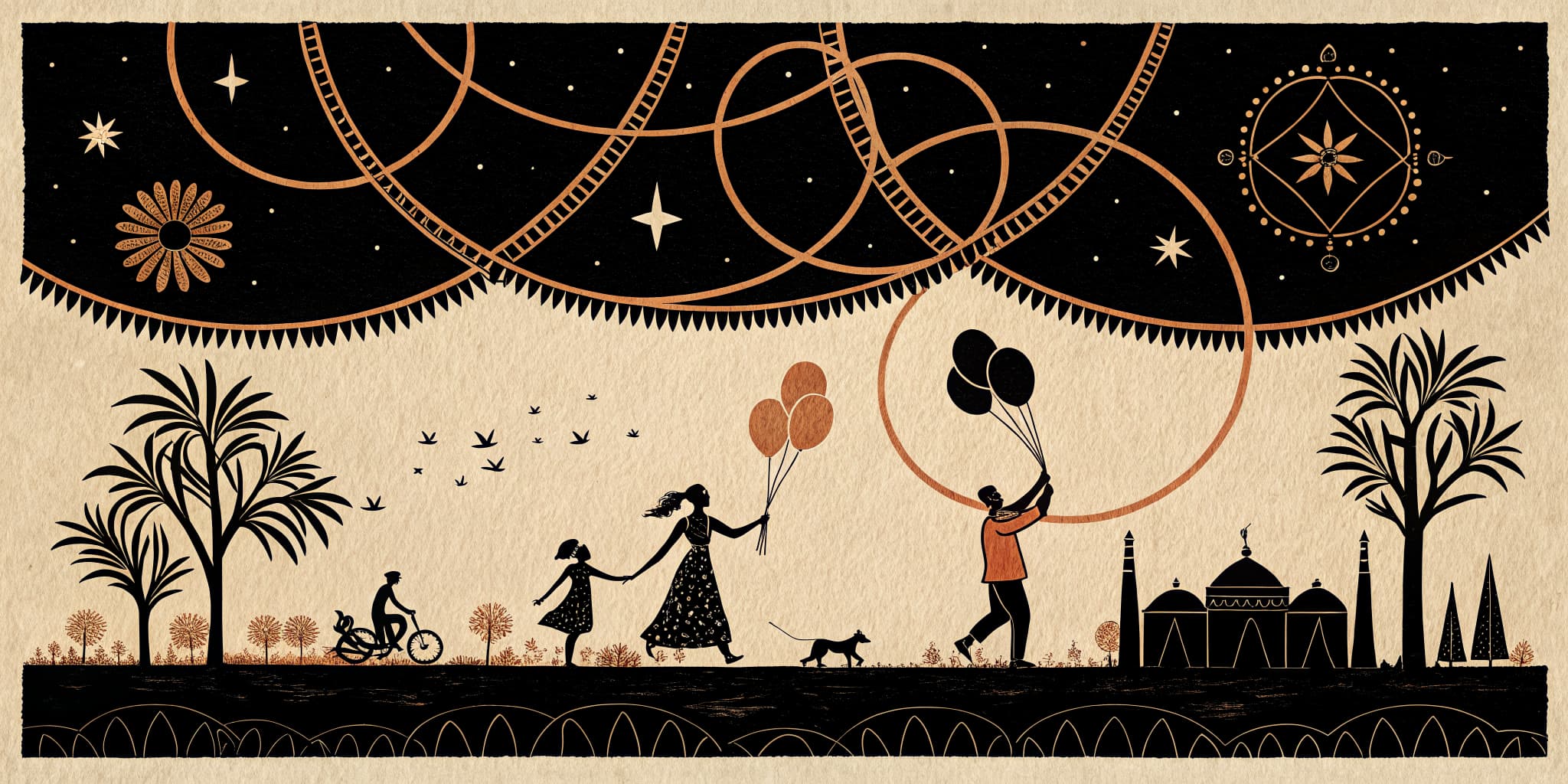
04Family, Festivals, and Fun
Celebrating diversity through Indian festivals, understanding family structures, and learning the value of recreation.
Understanding nuclear, joint, and single-parent families and the roles of different family members in supporting each other.
Learning about Diwali, Eid, Christmas, Gurpurab, and harvest festivals like Pongal and Onam, focusing on their cultural significance.
Understanding the importance of Independence Day, Republic Day, and Gandhi Jayanti, and the historical events they commemorate.
Exploring how we spend our free time through games, reading, painting, and music, and the benefits of hobbies.
Learning about various family celebrations like birthdays and weddings, and the traditions associated with them.
Understanding the values of sharing, caring, and helping each other within the family unit.
05Our Earth and Environment
Learning about the physical features of Earth, the air we breathe, the water we drink, and the seasons.
Understanding that air is everywhere, it has weight, and all living things need clean air to breathe, through simple experiments.
Sources of water (rain, rivers, wells) and why we must save every drop to protect our planet, emphasizing conservation methods.
Exploring Summer, Winter, Monsoon, Spring, and Autumn and how they affect our clothes, food, and daily activities.
A simple look at mountains, valleys, plains, and deserts, identifying their key characteristics and associated life.
Understanding the difference between weather (daily changes) and climate (long-term patterns) and how to observe weather.
Introduction to different types of pollution (air, water, land) and their harmful effects on living things and the environment.
Learning the importance of the 3 Rs (Reduce, Reuse, Recycle) to protect our environment and manage waste.

06Travel and Communication
Exploring different modes of transport and communication, and their evolution.
Identifying various ways people travel on land (cars, trains), water (boats, ships), and air (airplanes, helicopters).
A simple look at how transport has changed over time, from walking and animal-drawn carts to modern vehicles.
Understanding how transport helps people travel, goods move, and connects different places.
Learning about different ways we communicate: talking, writing letters, using phones, and the internet.

07Our Food and Clothes
Understanding where our food comes from and the different types of clothes we wear.
Learning that our food comes from both plants (fruits, vegetables, grains) and animals (milk, eggs, meat).
Categorizing food into energy-giving, body-building, and protective foods, and their roles in our health.
Understanding basic steps in food preparation and the importance of hygiene while cooking and eating.
Learning about different types of clothes (cotton, wool, silk) and why we wear specific clothes in summer, winter, and monsoon.

08Our Universe and Natural Phenomena
A basic introduction to the sun, moon, stars, and simple natural events.
Understanding the sun as a source of light and heat, and its importance for life on Earth.
Learning about the moon and stars we see at night, and their appearance.
Understanding the concept of day and night and why they occur.
A simple explanation of how clouds form and how rain occurs.