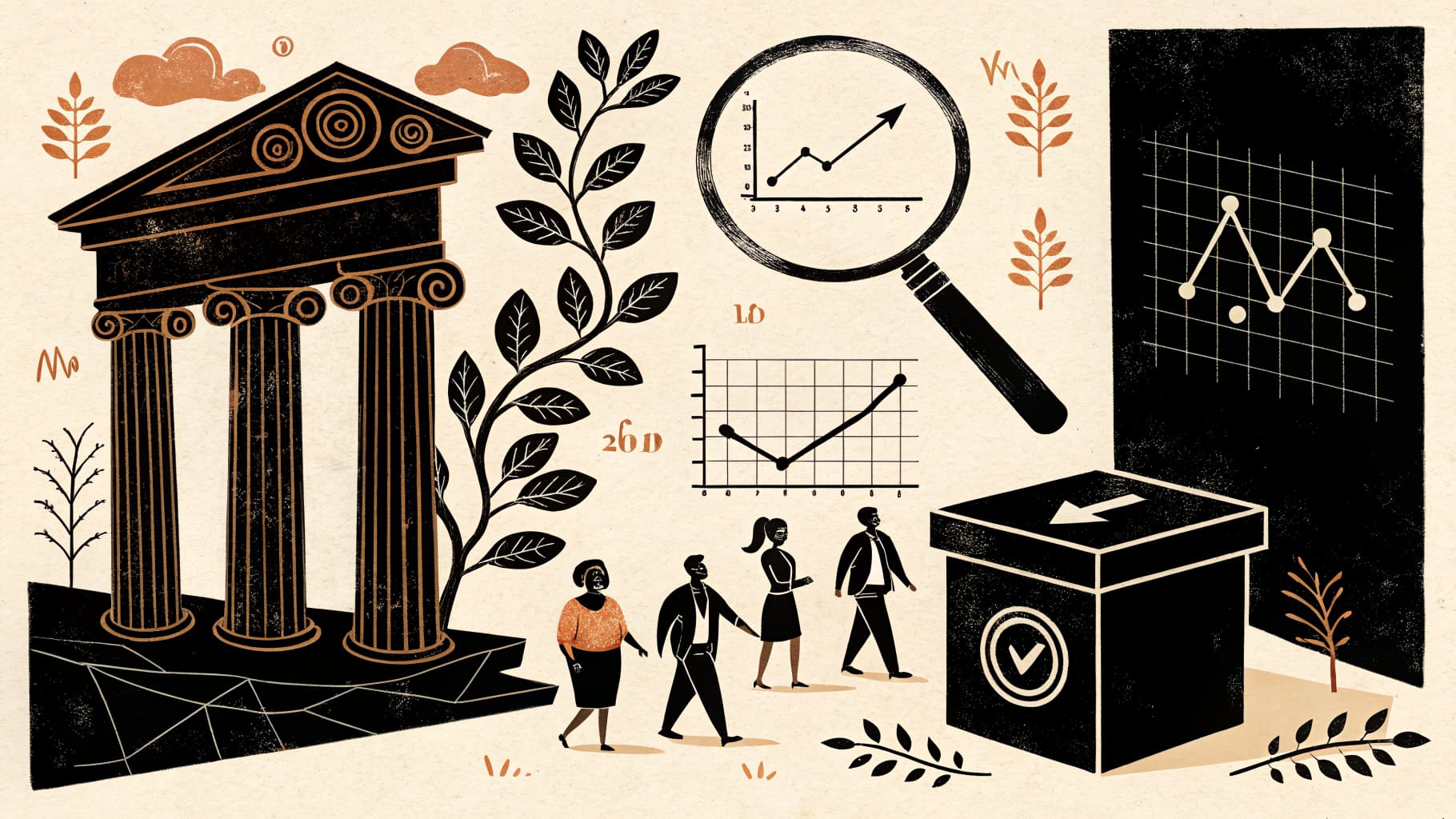
The Nature of Power
Students will investigate different definitions of power and how it manifests in contemporary society. The topic introduces key political thinkers and their perspectives on authority and influence.
TL;DR:This topic introduces the fundamental concept of power, moving beyond simple definitions of force to explore how influence is woven into the fabric of Irish society. Students examine the theories of key thinkers like Steven Lukes and Robert Dahl to understand the three dimensions of power: decision-making, agenda-setting, and ideological control. By identifying who holds power in Ireland, from the government to interest groups and the media, students begin to see the invisible structures that shape their daily lives.
About This Topic
This topic introduces the fundamental concept of power, moving beyond simple definitions of force to explore how influence is woven into the fabric of Irish society. Students examine the theories of key thinkers like Steven Lukes and Robert Dahl to understand the three dimensions of power: decision-making, agenda-setting, and ideological control. By identifying who holds power in Ireland, from the government to interest groups and the media, students begin to see the invisible structures that shape their daily lives.
Understanding power is essential for 5th Year students as they transition into adulthood and active citizenship. It provides the analytical tools needed to critique social structures and recognize how authority is legitimized or challenged. This topic connects directly to the NCCA requirement for students to use sociological and political concepts to analyze contemporary issues. This topic comes alive when students can physically model the patterns of influence through role play and collaborative mapping of power structures.
Key Questions
- What is power?
- How is power exercised in society?
- Who holds power in Ireland?
Watch Out for These Misconceptions
Common MisconceptionPower is only held by people in government or positions of formal authority.
What to Teach Instead
Power is also exercised through social norms, the media, and economic influence. Active mapping exercises help students see that power is relational and exists in every social interaction, not just in the Dáil.
Common MisconceptionPower is always a negative or oppressive force.
What to Teach Instead
Power can be productive, enabling collective action and social progress. Through peer discussion on community projects, students can see how 'power with' others differs from 'power over' others.
Active Learning Ideas
See all activities→Inquiry Circle
Power Mapping the School
In small groups, students create a visual map of power within the school community, identifying formal authorities like the Board of Management and informal influencers like student cliques or parents' associations. They must categorize each 'power player' using Lukes' three dimensions of power. Groups then present their maps to compare how different perspectives perceive influence.
Formal Debate
Hard Power vs. Soft Power
The class is divided into two sides to debate whether 'soft power' (culture, values, diplomacy) is more effective than 'hard power' (economic sanctions, military force) in modern international relations. Students must use specific examples, such as Ireland's diplomatic influence in the EU, to support their arguments. This helps students distinguish between different modes of exercising authority.
Think-Pair-Share
The Invisible Power of Norms
Students individually list three things they do every day because of social expectations rather than laws. They pair up to discuss how these norms represent a form of power (ideological control) and then share with the class to identify common themes. This surfaces the concept of 'power as thought control' in a relatable way.
Frequently Asked Questions
How do I explain Steven Lukes' three dimensions of power to 5th Years?
What are the best hands-on strategies for teaching the nature of power?
Which Irish political thinkers should be covered in this unit?
How does this topic link to the Citizenship Project?
More in Power and Decision-Making in Ireland
The Irish Political System
An examination of the institutions of the Irish State, focusing on the Oireachtas, the President, and the electoral process. Students will evaluate the effectiveness of proportional representation by means of a single transferable vote (PR-STV).
8 methodologies
Media and Democracy
This topic critically analyses the role of traditional and social media in shaping public opinion and political outcomes. Students will learn to identify media bias and understand the impact of digital echo chambers.
8 methodologies
Social Class and Inequality
Students will explore how social class and economic inequality impact political participation and policy-making in Ireland. The topic addresses structural barriers that prevent equitable access to power.
8 methodologies