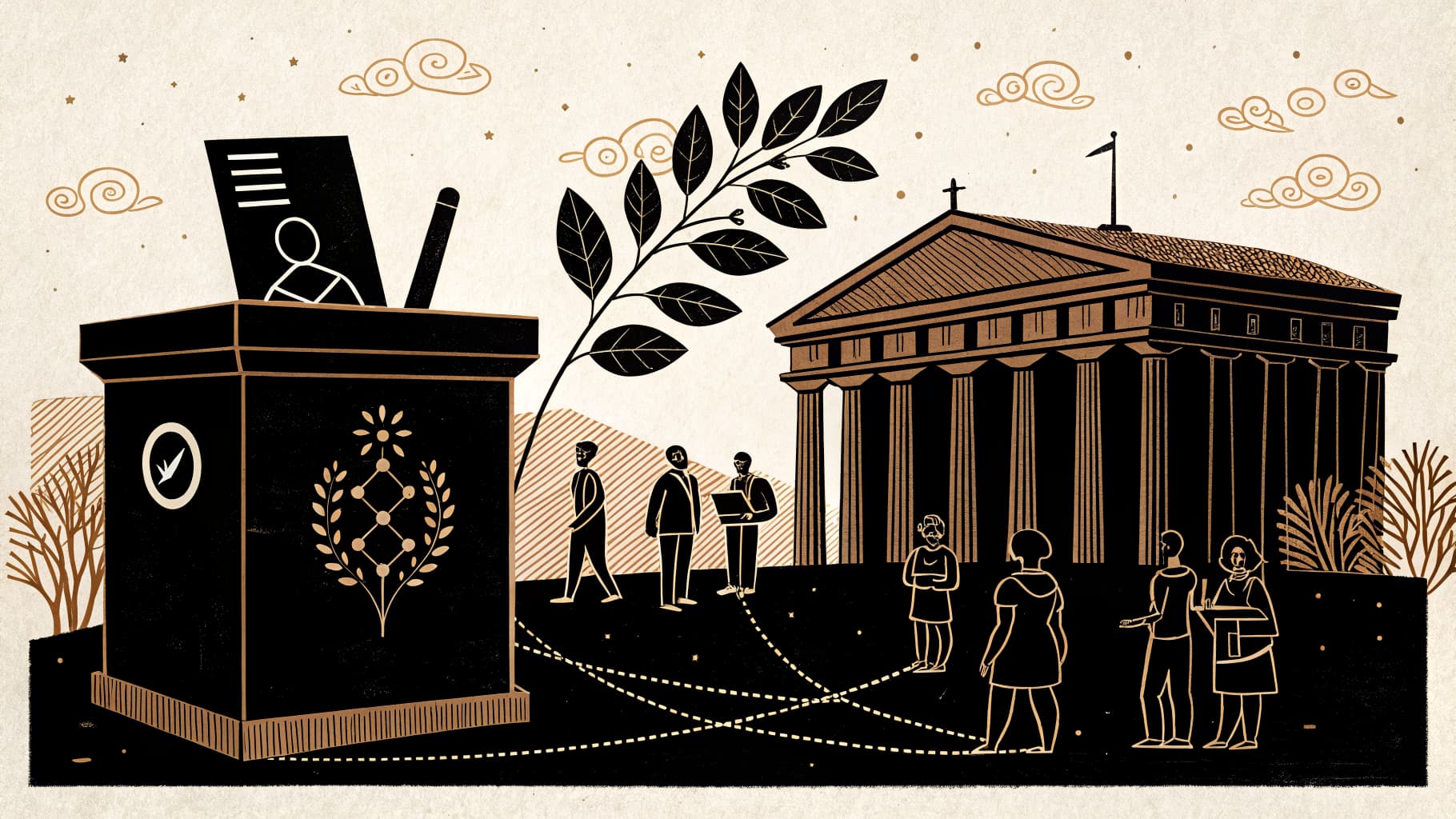
Children's Participation and Voice
Examining the right of children to have a say in decisions that affect them, and avenues for their participation.
TL;DR:Active learning works for this topic because children learn best when they see theory put into practice. Role-plays and design tasks let students test ideas about participation in real time, building empathy and critical thinking that a lecture could never match.
About This Topic
Children's Participation and Voice centers on Article 12 of the UN Convention on the Rights of the Child, which affirms every child's right to express views freely in matters affecting them. First-year students evaluate appropriate ages for input in decisions, from family choices to community policies, and explore avenues like school councils, youth parliaments, and Comhairle na nÓg in Ireland. This topic supports NCCA Junior Cycle specifications for human dignity and rights and responsibilities within the Human Rights and Social Justice unit.
Students critique current civic participation opportunities for youth and design practical strategies to amplify voices in schools and communities. These explorations build critical evaluation skills, empathy for diverse perspectives, and advocacy abilities, preparing students for democratic engagement.
Active learning approaches excel with this topic because role-plays of decision-making forums and collaborative strategy workshops let students practice voicing opinions in safe settings. Hands-on tasks reveal how structured participation leads to influence, making abstract rights concrete and motivating students to champion change.
Key Questions
- Evaluate at what age a child should have a say in decisions that affect them.
- Design strategies to ensure children's voices are heard in schools and communities.
- Critique current opportunities for youth participation in civic life.
Learning Objectives
- Analyze Article 12 of the UN Convention on the Rights of the Child to identify specific rights related to children's participation.
- Evaluate the effectiveness of current youth participation forums in Ireland, such as school councils and Comhairle na nÓg, in amplifying young voices.
- Design a proposal for a new initiative or modification to an existing one that would increase children's participation in school or community decision-making.
- Compare and contrast the rights and responsibilities associated with active citizenship for children versus adults.
Before You Start
Why: Students need a foundational understanding of what rights and responsibilities are before exploring specific rights like participation.
Why: Understanding the concept of community helps students grasp the importance of individual voices within a larger group.
Key Vocabulary
| Child Participation | The right and process for children to express their views and be involved in decisions that affect their lives. |
| UNCRC Article 12 | A United Nations convention article that states children have the right to express their views freely in all matters affecting them, and that these views should be given due weight according to their age and maturity. |
| Comhairle na nÓg | Youth councils established in each county and city in Ireland, providing a platform for young people aged 12-18 to have a say on issues relevant to them. |
| Civic Engagement | The ways in which citizens participate in the life of a community in order to improve conditions for themselves and others. |
Watch Out for These Misconceptions
Common MisconceptionChildren under 12 lack valid opinions on serious matters.
What to Teach Instead
Children demonstrate reasoning capacity from early ages, as research shows. Role-plays and debates let students articulate views on age-appropriate issues, building peer respect for diverse opinions and correcting assumptions through evidence sharing.
Common MisconceptionParticipation requires adults to always follow children's wishes.
What to Teach Instead
Participation means views are heard and considered, not automatically adopted. Simulations of council meetings clarify weight given to age and expertise, while group discussions highlight balanced decision-making.
Common MisconceptionOnly elections count as real youth participation.
What to Teach Instead
Informal avenues like consultations and forums also matter. Gallery walks expose varied Irish examples, helping students value multiple pathways through collaborative critique.
Active Learning Ideas
See all activities→Think-Pair-Share
Age Thresholds for Voice
Students individually list ages for children's input in scenarios like school rules or medical choices. In pairs, they discuss and refine ideas, then share with the whole class for a class vote and tally. Conclude with a group reflection on patterns.
Plan-Do-Review
Role-Play: School Council Simulation
Assign roles as students, teachers, and principals in a mock council meeting on uniform policy. Groups prepare proposals, present, and vote. Debrief on how voices shaped outcomes and barriers faced.
Plan-Do-Review
Design Challenge: Community Voice Strategies
In small groups, students brainstorm and sketch three strategies for youth input in local decisions, such as surveys or forums. Groups pitch ideas to the class, which votes on the most feasible. Create a class poster of top strategies.
Real-World Connections
- Local council meetings in towns across Ireland often have public comment periods where residents, including young people, can voice concerns about local development or community services.
- School student councils, like the one at St. Michael's College in Dublin, provide a direct channel for students to influence school policies on everything from uniform to extracurricular activities.
- The Oireachtas Youth Parliament, though not a permanent body, offers a simulated legislative experience where young people debate and propose solutions to national issues.
Assessment Ideas
Facilitate a class debate using the prompt: 'At what age should a child have an equal say in family decisions, and why?'. Encourage students to use examples from their own lives and reference the concept of age and maturity from UNCRC Article 12.
Ask students to write on an index card: 'One way I could help ensure younger students' voices are heard in our school is...' and 'One question I still have about youth participation in Ireland is...'.
Present students with three scenarios: a child choosing a meal, a teenager deciding on a school club, and a group of young people proposing a new park feature. Ask them to identify which scenario best reflects the spirit of Article 12 and explain their reasoning.
Frequently Asked Questions
What does Article 12 of the UNCRC say about children's participation?
How can schools ensure children's voices are heard?
How can active learning help teach children's participation?
What youth participation opportunities exist in Ireland?
More in Human Rights and Social Justice
Understanding Prejudice and Stereotypes
Identifying forms of prejudice and stereotypes and their impact on individuals and society.
8 methodologies
Treating Everyone Fairly: No to Discrimination
Understanding what discrimination means and why it's important to treat everyone equally, regardless of their differences.
8 methodologies
The UN Convention on the Rights of the Child
A deep dive into the UN Convention on the Rights of the Child and its impact on Irish law.
8 methodologies
Ireland's Role in Global Development
Examining Ireland's role in international development and humanitarian aid.
8 methodologies
Fair Trade and Ethical Consumption
Exploring the concept of fair trade and how ethical consumption choices can promote global justice.
8 methodologies